Contorno occhi: tutto quello che c’è da sapere su borse, occhiaie e rughe

Eye contour: everything you need to know about bags, dark circles and wrinkles

| Scritto da Ilaria Zanfranceschi

The eye contour, along with the lip contour, is the most delicate and sensitive area of the face.

In this area, the skin is thinner, almost devoid of sebaceous glands, and constantly stressed by facial expressions, in addition to being constantly exposed to atmospheric agents such as wind, humidity, and temperature fluctuations. All these factors create ideal conditions for the emergence of typical signs of fatigue and aging such as wrinkles, bags, and dark circles.

For this reason, daily care of the periorbital area with due attention, also avoiding stress, lack of sleep, and an irregular lifestyle, is essential for a rested and healthy look.

In this article, we will explore the importance of the eye contour, the most frequent imperfections it is subject to, and the best practices to keep it radiant and youthful over time.


Caricamento...

What is eye contour?

The term "eye contour" refers to the area surrounding the eyes, specifically known as the periorbital area, and it is one of the most sensitive and vulnerable areas of the face.

Its particular fragility is attributable to several intrinsic characteristics of this specific facial area:

  • Very thin skin: the skin around the eyes is remarkably thinner, with a thickness of just 0.3 mm.
  • Reduced presence of skin appendages: the number of hair follicles, sebaceous glands, and eccrine (sweat) glands is significantly lower compared to other areas of the face.
  • Limited number of elastic and collagen fibers: the dermal matrix in the periorbital region contains numerically fewer elastic and collagen fibers, contributing to its already delicate structure.
  • Lack of adipose tissue: the presence of subcutaneous fat is notably lower, making the eye contour more susceptible to fluid accumulation.
  • Slowed Lymphatic/Blood Circulation: lymphatic and blood circulation in the eye contour area is quite slow compared to other areas, predisposing the area to problems such as puffiness, dark circles, and wrinkles.

This combination of factors means that the eye contour is often the first to show signs of fatigue and the formation of fine lines (commonly called "crow's feet"). Furthermore, the area is particularly prone to puffiness, bags, and dark circles, requiring targeted cosmetic approaches.

IMPERFECTIONS AROUND THE EYES

One of the issues that most affects women of all ages is the formation of imperfections in the periocular area such as wrinkles, bags, and dark circles

What are dark circles and what causes them?

Dark circles, commonly perceived as a sign of fatigue and aging, indicate a condition characterized by the darkening of the skin under the eyes, creating a bluish-purple shadow.

They can vary in shade, taking on blue, purplish, brown, or black hues, influenced by the natural skin color and the underlying cause. This effect is often caused by a slowdown in lymphatic and venous microcirculation, which leads to fluid retention, resulting in the deposit of pigments in the dermis, including melanin and oxidized hemoglobin.

Although dark circles are not a medical problem in themselves, they are often perceived as an aesthetic inconvenience as they contribute to giving the face a tired appearance.

How to reduce dark circles

Reducing dark circles requires a targeted approach that takes into account the various causes. Here are some effective strategies to reduce dark circles:

  • Using specific creams, such as eye contour creams, which help to brighten the area, reduce inflammation, and stimulate collagen production.
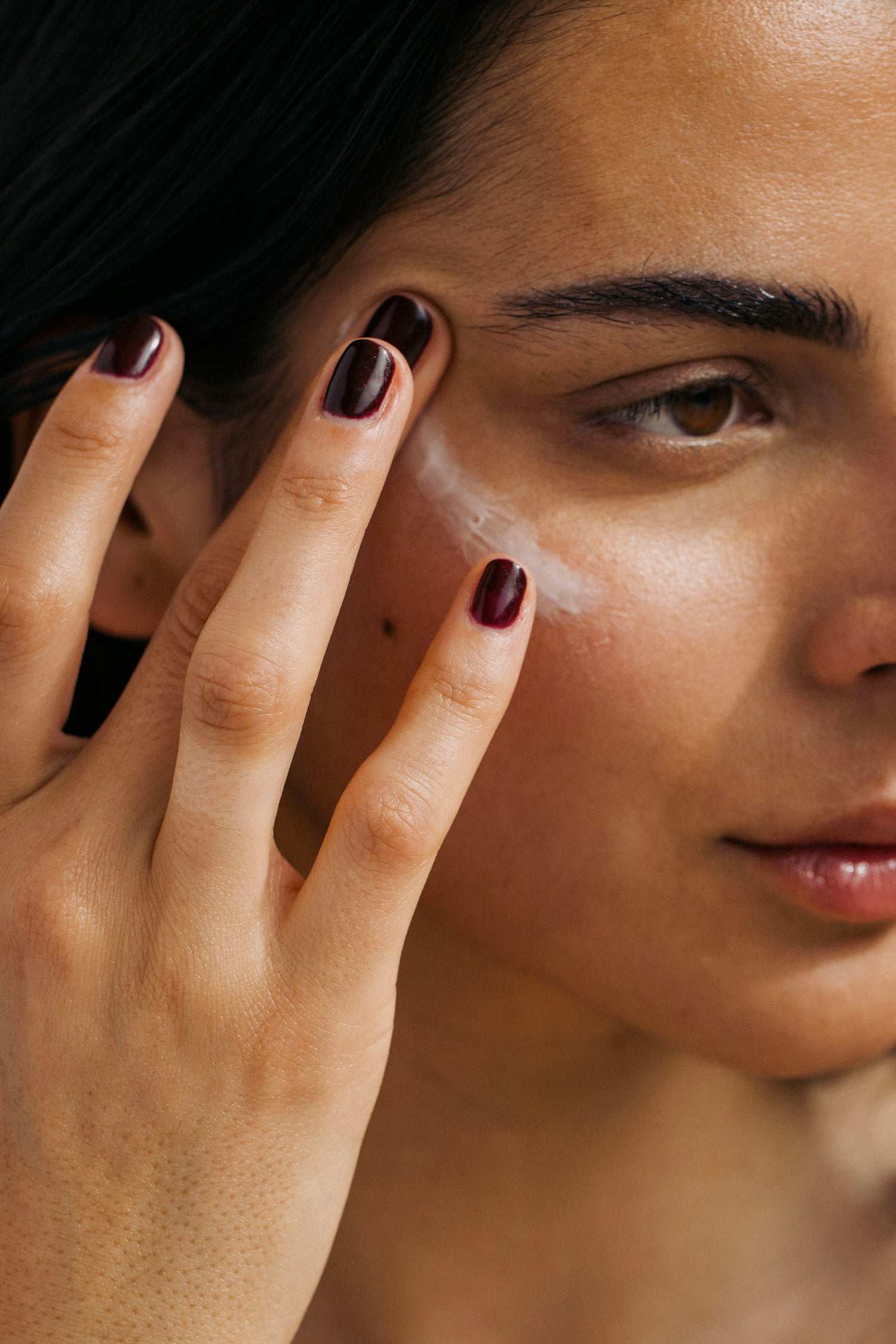
  • Gently massaging the area around the eyes with circular movements. This can improve lymphatic drainage, reducing fluid retention and improving the appearance of dark circles.
  • Sleeping at least 8 hours a night.
  • Reducing stress through relaxation techniques, such as meditation or yoga.
  • Maintaining a diet rich in antioxidants, vitamins, and minerals.

What are under-eye bags and what causes them?

Under-eye bags are a common cosmetic concern characterized by localized puffiness in the ocular area, specifically under the eyes. This condition often accompanies dark circles, contributing to a tired and fatigued appearance.

The puffiness of under-eye bags can result from various factors, often linked to temporary conditions or lifestyle habits. One common cause is fluid retention, which leads to the accumulation of liquids in the periorbital area. Insufficient sleep, excessive salt intake, alcohol abuse, and smoking can contribute to this phenomenon. Furthermore, advanced age can weaken the tissues supporting the eye area, promoting the accumulation of fat and fluids.

Inflammation or localized allergies can also contribute to the swelling of under-eye bags. Identifying the specific cause is crucial for adopting a targeted approach to treating and preventing this cosmetic concern.

How to reduce under-eye bags

To reduce under-eye bags, there are several remedies and practices that can be incorporated into your skincare routine, including:

  • Using specific creams or gels containing ingredients with anti-inflammatory and draining properties that help reduce swelling and improve circulation in the periorbital area.
  • Applying cold compresses, such as green tea bags or ice cubes wrapped in a thin cloth, helps reduce inflammation and stimulate lymphatic drainage.
  • Gently massaging the eye contour with light, circular movements.
  • Maintaining a healthy lifestyle, with a balanced diet, adequate nightly rest, and sufficient water intake

What are wrinkles and what causes them?

Under-eye wrinkles are a skin imperfection that develops hand in hand with epidermal aging, an imperfection that is a concern for both women and men.

The periorbital region is characterized by a complex network of over 20 muscles, which, with more than 10,000 movements daily, are responsible for facial expressions. However, these same muscles play a key role in the formation of wrinkles, "crow's feet," and other folds related to skin aging. In this context, the expressiveness of the face, accentuated and repeated over time, becomes one of the faithful allies of so-called photoaging.

The main causes of skin laxity associated with photoaging are attributable to chemical-physical changes triggered by UV rays. These rays cause inflammatory phenomena that impact collagen and elastin fibers in the dermis. Consequently, the protein structures that form the scaffold of the dermis undergo degradation, resulting in less toned and elastic skin, susceptible to wrinkle formation.

What can be done to eliminate wrinkles and crow's feet
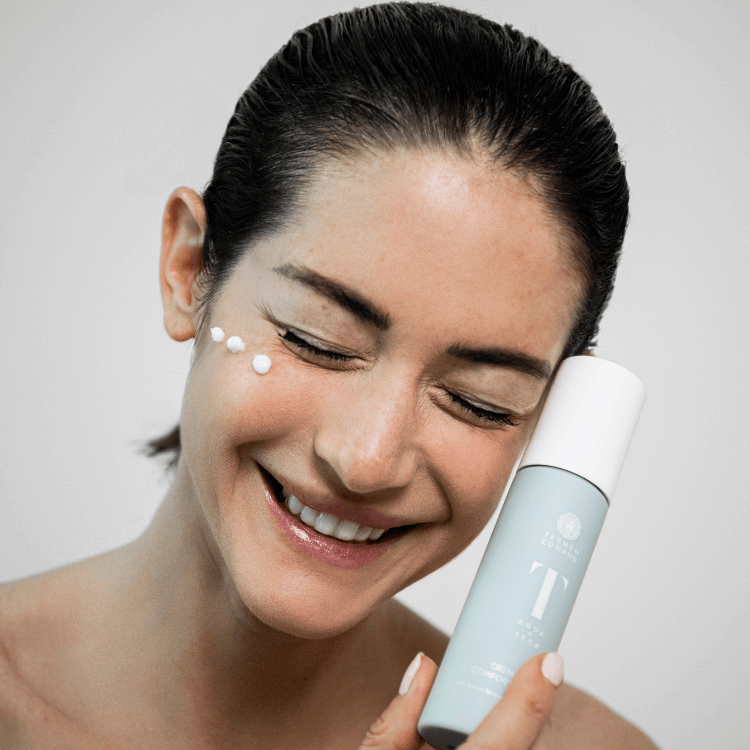
Reducing wrinkles and crow's feet requires a combined approach involving proper skincare and lifestyle practices. Here are some strategies that can help minimize the appearance of wrinkles

  • Using products containing ingredients with anti-aging properties, such as eye creams and serums, can help stimulate collagen production, improving skin elasticity.
  • Regularly apply sunscreen with a high SPF to protect the skin from sun damage.
  • Keep skin well-hydrated with rich moisturizing creams.
  • Regular exfoliation can help remove dead surface cells, improving skin texture and reducing the appearance of wrinkles.
  • Follow a diet rich in antioxidants from fruits, vegetables, and foods rich in vitamins and minerals.
  • Reduce or avoid behaviors harmful to the skin, such as excessive smoking and excessive alcohol consumption. These can accelerate the skin aging process.
  • Ensure you get sufficient, quality sleep. During sleep, the body performs repair and regeneration processes that are crucial for skin health.
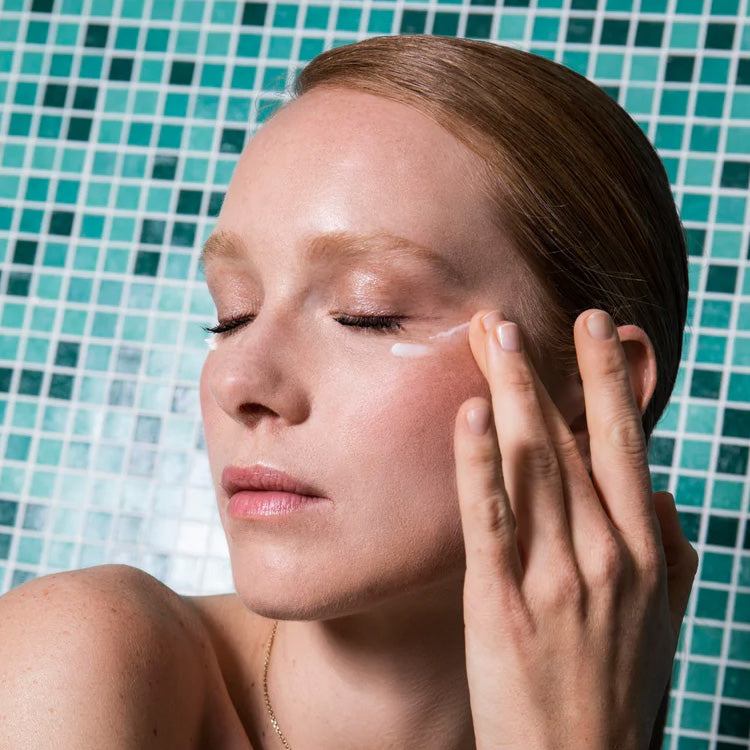
Sensitive and dry skin around the eyes: what to do

The eye contour area is extremely delicate, and this delicacy is even more evident when it comes to extremely sensitive skin.

The periocular skin, already thin by nature, can be more susceptible to irritation, redness, and skin reactions for those with extremely sensitive, dry skin prone to irritation, atopy, and dermatitis.

This particular skin type requires targeted and gentle care. Therefore, it is crucial to choose products specifically formulated to meet these particular needs. It is best to opt for dermatologically tested formulas on sensitive skin, free from allergens and fragrances that could cause undesirable reactions.

Soothing ingredients such as sweet almond oil and beeswax provide deep nourishment and hydration to the skin, as well as having anti-inflammatory properties to alleviate any redness or irritation.

With a proper eye contour care routine, it is possible to preserve the delicacy of the skin and mitigate the effects of aging safely and effectively.

How to achieve beautiful eyes: what eye contour products are for
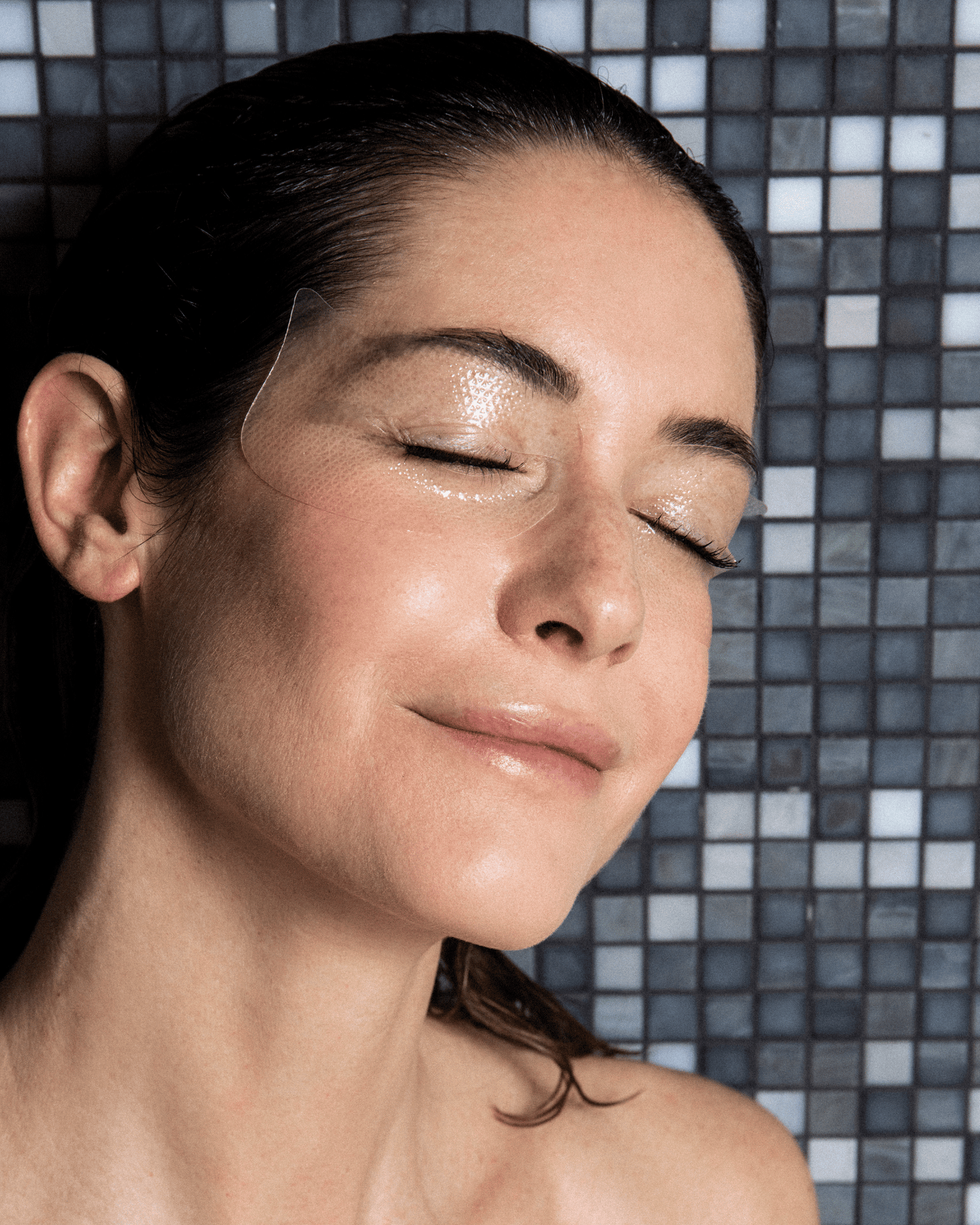
Regardless of skin type (dry, oily, or combination), the critical eye contour area requires a careful and targeted cosmetic approach. Wrinkles, puffiness, and dark circles are common signs of skin aging in this delicate region, often accelerated, as previously mentioned, by hereditary factors, UV rays, and environmental stressors such as cold, humidity, heat, and pollution. Starting an anti-aging routine around 25-30 years of age can help postpone the appearance of these imperfections.

Choosing the right products therefore becomes essential. If specifically formulated for the periorbital area, they help to:

  • minimise imperfections such as bags and dark circles;
  • counteract the formation of expression lines and crow's feet;
  • stimulate the production of elastic fibres;
  • keep the skin hydrated, firm and smooth.

The formulations, which can be eye contour creams, gels or serums, offer different options to suit individual preferences and specific skin needs. However, it is crucial to find the right balance: the product should not be excessively oily, and light emulsions such as eye contour creams, serums and gels enriched with regenerating, nourishing, antioxidant and anti-ageing active ingredients will be preferred. In addition to cosmetic applications, small lifestyle changes can make a difference. Avoiding smoking, reducing alcohol consumption, ensuring quality sleep and a balanced diet are key steps to improving the health of the periorbital area. Moderate salt consumption and adequate hydration, supported by specific products, are equally crucial.

  • What is an eye contour cream?

    Eye contour product is a cosmetic formulation specifically developed to care for the skin in the periocular area. This targeted treatment is designed considering the unique needs of the skin around the eyes, which is particularly thin, delicate, and susceptible to early signs of aging.

  • How often should you use eye cream?

    Generally, it is recommended to apply the product twice a day, morning and evening, before your specific serum or cream, as part of your daily skincare routine. Applying eye cream in the morning helps prepare the skin for the day, providing hydration and protection against external agents. In the evening, eye cream helps regenerate the skin during overnight rest, reducing signs of fatigue accumulated throughout the day. However, it is essential to adapt the frequency of use to individual skin needs and the specific type of product.

  • What is the difference between face cream and eye contour cream?

    Unlike traditional face creams, eye contour products are carefully formulated to be non-irritating, fragrance-free, and often contain specific ingredients such as antioxidants, intense moisturizing agents, and anti-aging active principles. The main goal of these products is to provide an effective solution against puffiness, dark circles, wrinkles, and other signs of fatigue in the sensitive eye area, ensuring a bright and youthful appearance. The careful selection of an eye contour product can significantly contribute to preserving the natural beauty and health of the periorbital skin.

  • Why not use your usual face cream?

    Traditional face creams often contain substances that, when in contact with the eye mucosa, cause irritation or tearing, leading to an increase in inflammatory phenomena.
    It is therefore essential to select a quality product dedicated exclusively to the eye contour, which is free of irritating substances. Gels, serums, or eye contour creams are formulated to meet the particular needs of periocular skin. Choosing products free of irritants is crucial to ensure safe and comfortable application. Conversely, opting for products rich in anti-aging ingredients and functional plant substances can not only protect microcirculation but also limit fluid retention, helping to maintain bright and healthy skin in the delicate eye contour area.

  • When to start using an eye cream?

    Prevention is key: in general, it is advisable to start using an eye contour cream after the age of twenty with lighter formulations, and then switch to creams richer in anti-aging substances, in order to maintain the elasticity and tone of this area.

1 of 4