peptidi cosa sono

What are peptides and why are they good for your skin

| Scritto da Silvia Piccoli

There are terms that are heard more and more often when talking about skincare. "Peptides" is one of them. But what exactly are they?

Small molecules, big results, peptides are tiny chains of amino acids, naturally present in our body, which play a crucial role in cell communication. Just like intelligent messengers, they guide regeneration processes, stimulate collagen and elastin production, and contribute to the well-being of skin, hair, and connective tissues.

Today, these molecules are among the most valued ingredients in advanced cosmetics. Thanks to their simple structure and low molecular weight, they can penetrate the deeper layers of the skin, activating the physiological mechanisms that support its tone, elasticity, and radiance.

In this article, we will guide you through the world of peptides: what they are, how they act on the skin, what the different types are, and how they are used in Terme di Comano treatments.


Caricamento...

What are peptides?

Peptides are biological molecules formed by short chains of amino acids, the fundamental “building blocks” that make up proteins. Smaller and lighter than proteins themselves, they play crucial functions within the body: they act as biochemical messengers, communicating with cells and stimulating specific responses, such as tissue regeneration, collagen production, or the regulation of hormones and neurotransmitters.

Naturally, our body produces various types of peptides daily: consider insulin, oxytocin, or peptide YY, which regulates the feeling of satiety. But it is in the fields of medicine and cosmetics that these molecules have gained increasing attention, thanks to their ability to interact with the skin and support its deepest physiological mechanisms.

Used in dermatology and skincare, peptides easily penetrate the skin layers due to their small size, and once absorbed, they can activate the production of structural proteins such as collagen, elastin, and laminin, which tend to decrease with age. The result? More toned, firm, radiant, and visibly healthier skin.

But there isn't just "peptides" in a generic sense. Depending on their composition and structure, these molecules can have very different functions: some stimulate collagen production (signal peptides), others act as antioxidants, antimicrobials, or muscle relaxants (like neuropeptides used in advanced anti-aging treatments). Precisely for this reason, they are considered among the most versatile and promising active ingredients in the formulation of highly effective cosmetics.

What are peptides used for in skincare

In the world of advanced cosmetics, peptides have earned a place of honor thanks to their extraordinary ability to communicate with the skin. These intelligent molecules do not just "nourish" the skin but act as true biological messengers: once they penetrate the skin layers, they send signals to cells to activate the production of new structural proteins, such as collagen and elastin. The result is a visible improvement in skin tone, firmness, and elasticity.

But the benefits don't stop there. Peptides also help strengthen the skin barrier – fundamental for protecting the skin from external aggressions, bacteria, and pollution – and maintain a good level of hydration, preventing transepidermal water loss and contributing to softer, brighter, and more vital skin. Some peptides, such as copper peptides, also have an antioxidant action, counteracting free radicals and slowing down oxidative damage related to aging.

From an aesthetic point of view, their continuous use helps reduce the visibility of wrinkles and fine lines, giving the face a smoother and more relaxed appearance. There are also peptides with muscle-relaxing action (similar in function to botulinum toxin), capable of attenuating the contractions responsible for expression lines: a "soft botox" effect that does not immobilize but harmonizes.

Some formulations use peptides with healing and regenerating properties, particularly effective in treating stressed skin, marked by inflammation or alterations in the microbiota. These active ingredients promote rapid tissue repair, protect against irritation, and restore optimal physiological balance, with a positive impact even in cases of acne, rosacea or dermatitis.

Finally, the strength of peptides lies in their versatility: each amino acid chain is like a "molecular key" that unlocks specific biological processes. This is why, in new-generation cosmetics, there is increasing talk of personalized bioactive peptides: targeted molecules that communicate with the skin precisely, effectively, and measurably.

The different types of peptides and their functions in skincare
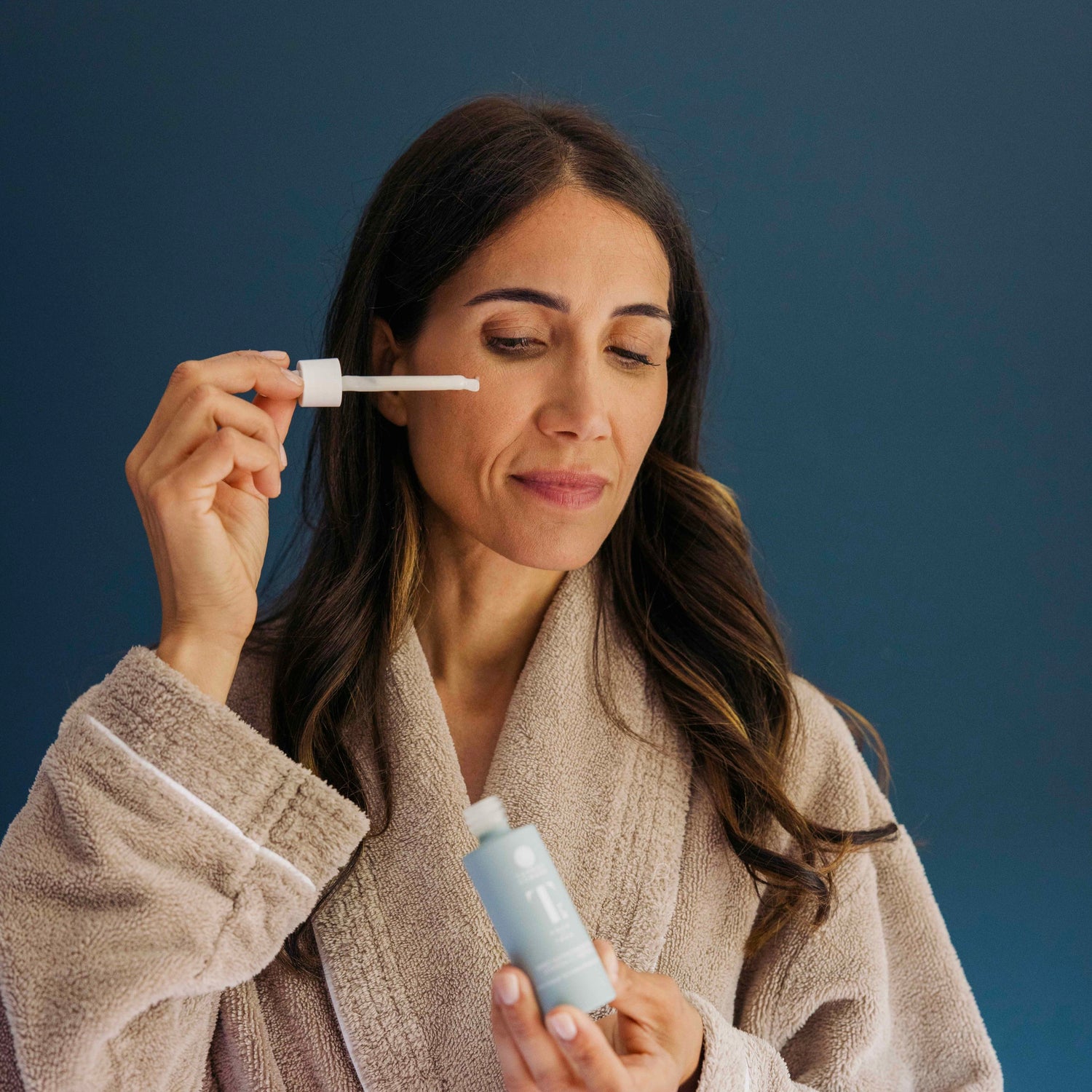
In the vast universe of advanced cosmetics, not all peptides are created equal. Indeed, there are various types, each with a specific role in the biological dialogue that takes place between the active ingredient and the skin. Their function is determined by the length of the amino acid chain, the molecular structure, and especially the "message" that each peptide is able to transmit to the cells.

A first major distinction is between natural peptides and biomimetic peptides. The former are already present in our body – and in some living organisms, such as mosses, plankton, or protein-rich foods – and regulate vital functions such as the production of collagen, elastin, and keratin. Biomimetic peptides, on the other hand, are synthetic molecules designed in the laboratory to precisely mimic the action of natural peptides, ensuring efficacy, safety, and stability within cosmetic formulations. They are the true protagonists of modern skincare.

From a functional standpoint, cosmetic peptides can be divided into three main categories:

  • Signal Peptides

    They stimulate the synthesis of collagen, elastin, and hyaluronic acid, improving skin elasticity, tone, and firmness. They act as biological "switches," activating fibroblasts to produce new structural fibers and helping to slow down the degradation of existing ones.

  • Neurotransmitter Modulating Peptides

    Also known as "botox-like" peptides, they reduce the muscle contraction that leads to the formation of expression lines. They temporarily block the release of neurotransmitters responsible for the contraction of facial muscles, giving the face a more relaxed, smooth, and harmonious appearance.

  • Chelating Peptides

    they are capable of binding to heavy metals or excess minerals (such as free iron or copper), helping to neutralize oxidative stress and protect skin cells from environmental damage. This detoxifying action makes the skin stronger and more responsive.

Alongside these main categories, there are other types of peptides with targeted actions:

  • Antioxidant peptides: such as glutathione, which combats free radicals, protects against pollution and oxidative stress, slowing down the aging process.
  • Firming and regenerating peptides: regulate cellular repair mechanisms, stimulate tissue regeneration, and improve skin resilience.
  • Copper peptides: known for their healing and anti-inflammatory action, they promote the healing of micro-lesions and improve the appearance of redness, spots, or marks.

This variety makes peptides an extremely flexible and powerful tool for skin care. It is then up to the formulators' expertise to decide which combinations to use and in what synergy to combine them with other functional active ingredients, to achieve targeted results on wrinkles, dyschromia, loss of tone, skin sensitivity, or microbiota alterations.

The challenge is to find the right formula for every need, with the common goal of stimulating the skin from within, strengthening its defenses, and restoring its balance, radiance, and vitality. Because if every skin has its story, peptides can be the right narrators to tell it best.

Comano Spa solutions: peptides for mature skin

In its constant search for advanced yet gentle formulations, Terme di Comano has developed a cosmetic line that integrates biomimetic peptides and other excellent active ingredients into treatments designed to specifically address the signs of aging. The result is a synergistic approach that combines dermatological research, sensitivity for reactive skin, and the proven efficacy of functional cosmetics.
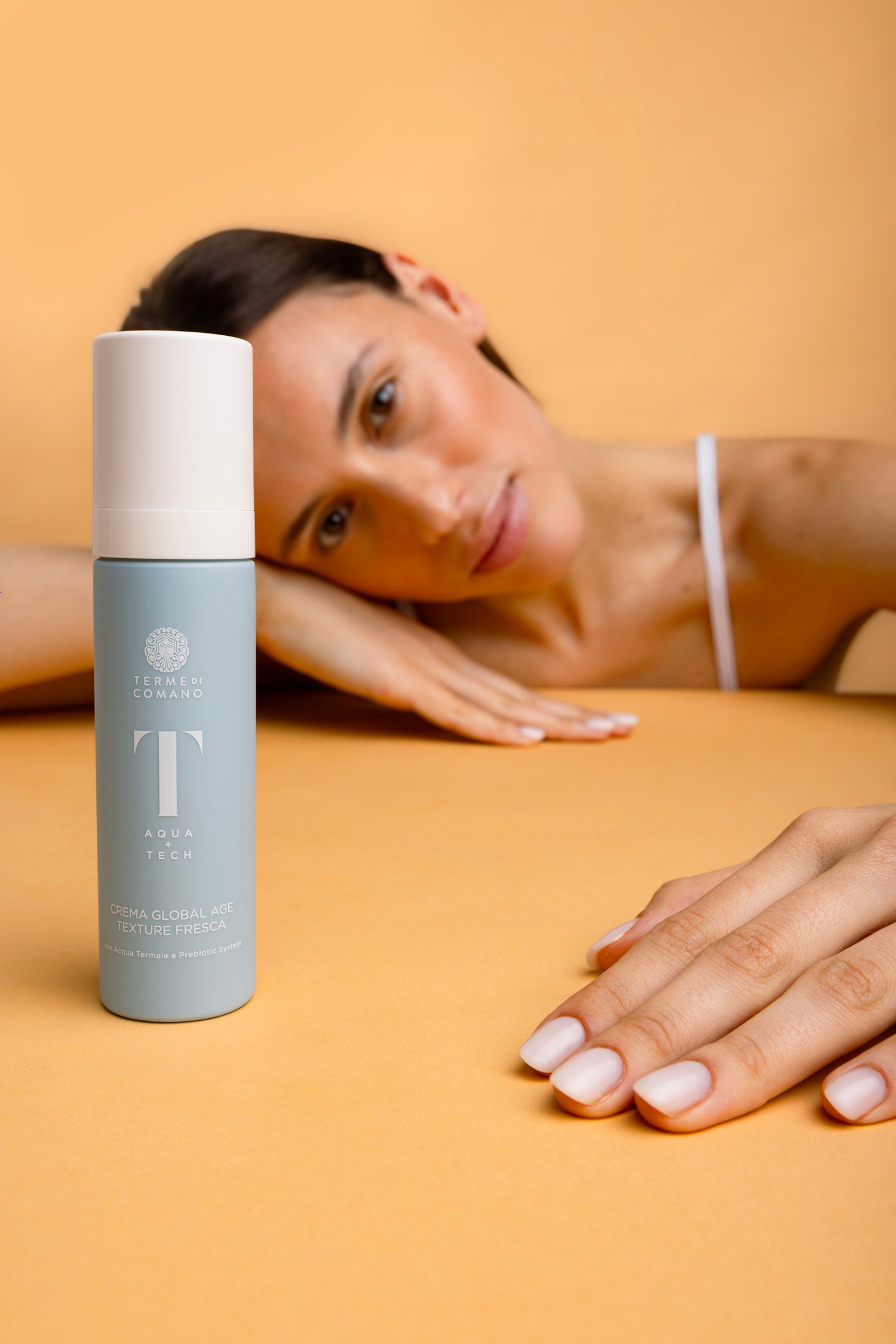
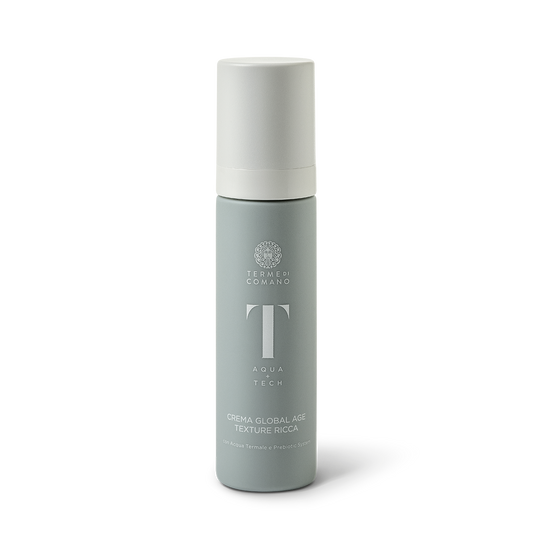
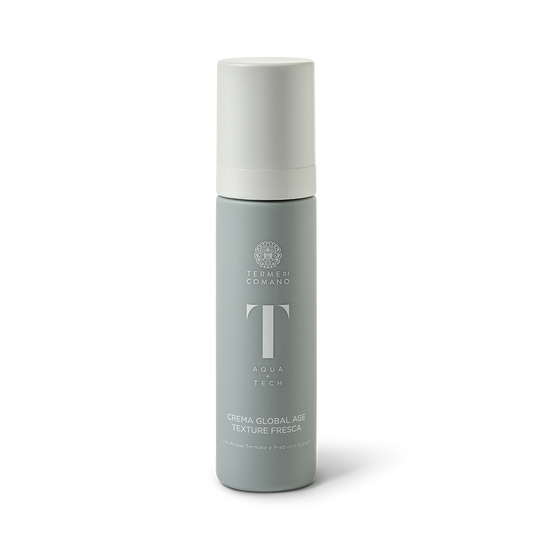
Key products include the Global Age Rich Texture Cream and the Global Age Fresh Texture Cream, two intensive face and neck treatments with a soft, enveloping texture. The formulation includes elafin biomimetic peptide, an elastase inhibitor produced by keratinocytes that improves the appearance of wrinkles and loss of tone for a complete contouring effect​. The formulation is completed by plant stem cells from alpine rose, stabilized vitamin C, and double molecular weight hyaluronic acid. This combination of ingredients promotes wrinkle smoothing, restores firmness and radiance, and rebalances the lipid barrier, making it ideal for mature, dry, or stress-affected skin.

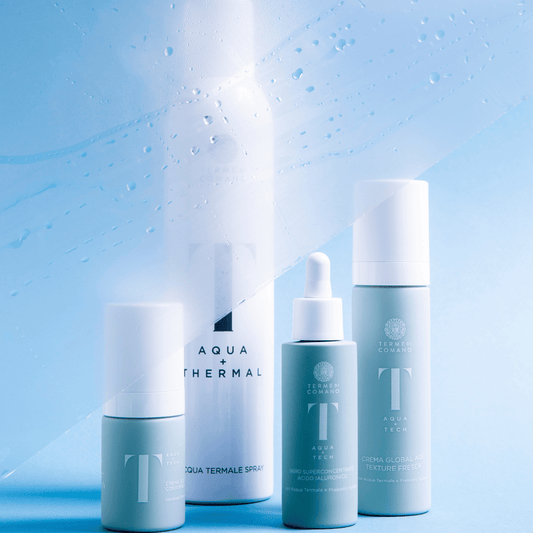
For a more complete and structured action, the Anti-Aging Beauty Routine offers a daily regimen designed to reduce wrinkles and loss of elasticity. The routine combines the soothing properties of Comano Thermal Water, the hydrating power of Hyaluronic Acid Serum, the precision of Global Age Eye and Lip Contour Cream, and the freshness of the Light Texture Cream, providing a multi-level treatment that stimulates, protects, and renews.

The scalp can also benefit from the action of peptides. The Hair Filler protocol, available at the medical-aesthetic wellness center of Terme, involves microinjections of hyaluronic acid and biomimetic peptides into the scalp, with the aim of reactivating cellular regeneration and promoting the growth of stronger, healthier, fuller hair.

From daily creams to more advanced protocols, Terme di Comano interprets peptides as intelligent allies for beauty that respects skin physiology and enhances its potential, day after day.

Our experts' advice: everything you need to know about peptides

When it comes to peptides, it's normal to have a few extra questions. That's why we've gathered some of the questions our customers most frequently ask us at the Terme di Comano centers, to provide clear, up-to-date, and evidence-backed answers.

What exactly do peptides do for the skin? Peptides act as biological messengers: they stimulate collagen and elastin production, help strengthen the skin barrier, and support cellular regeneration processes. In simple terms, they help the skin regain tone, hydration, and firmness, progressively improving its structure. Skincare treatments based on peptides, such as those offered by Terme di Comano, are particularly recommended for reducing signs of aging, soothing inflammation, and making the skin visibly smoother and more radiant.

Who are peptide products recommended for? The answer is simple: everyone. Peptides are suitable for all ages and skin types. They can be introduced at a young age as a preventive treatment or integrated into a more mature skincare routine as active support against wrinkles, loss of elasticity, or dull complexion. Our experts recommend daily use, both morning and evening, always following the instructions on each product.

How are peptides used in a daily routine? In our formulations, peptides are found in concentrated serums, facial creams, and eye creams. They work very well in combination with ingredients like vitamin C and hyaluronic acid, which enhance their effectiveness. To achieve visible results, it's important to apply the treatments regularly to cleansed skin, gently massaging to promote absorption.

Are there any contraindications or side effects? Peptide-based products are generally well tolerated, even by sensitive skin, like all Terme di Comano skincare lines.

Do "viper" peptides really exist? Yes, but these are biomimetic peptides, synthesized in the laboratory to replicate the action of the active ingredient found in the venom of the Temple Pit Viper (a particular species of viper). These peptides work by temporarily relaxing facial muscles, much like botulinum toxin, thereby helping to reduce expression lines. They are therefore not animal extracts, but safe and controlled molecules.

And for those who want to supplement peptides through diet? Peptides are naturally present in many protein-rich foods such as meat, eggs, fish, milk, and soy. A balanced diet is always a valuable ally for skin health: it provides the essential amino acids for the endogenous synthesis of collagen, elastin, and keratin, reinforcing the results obtained with cosmetic treatments from within.

Are collagen and peptides the same thing? Not quite: peptides are smaller protein fragments that stimulate collagen production. If you wish to delve deeper into this topic, we recommend reading our article entirely dedicated to collagen, available on the Terme di Comano blog.

Conclusion

In the world of modern skincare, peptides represent one of the most promising and fascinating discoveries: tiny molecules capable of triggering big changes. Thanks to their targeted action, they can communicate with the skin, activating its internal resources and guiding it, day after day, on a path of regeneration, strength, and radiance.

At Terme di Comano, we have always combined dermatological science, respect for skin physiology, and attention to skin sensitivity. Peptides fit perfectly into this vision, becoming part of treatments that do not seek shortcuts, but concrete and progressive results, built with expertise, delicacy, and foresight.

Choosing cosmetics formulated with peptides – especially if integrated into a ritual that combines thermal water, functional ingredients, and personalized protocols – means making a conscious gesture towards your skin. A gesture that speaks of care, prevention, and authentic beauty.

1 of 3