Gambe pesanti e caldo: i consigli dei nostri esperti per gambe leggere e fresche in estate

Heavy legs and heat: our experts' tips for light and fresh legs in summer

| Scritto da Ilaria Zanfranceschi


Summer is synonymous with sunshine and outdoor activities, but it can also bring with it the challenge of dealing with heavy and swollen legs.

These discomforts don't just affect those with circulation problems; they can also impact individuals who typically don't experience them. Heat can worsen these symptoms, altering the normal flow of blood back to the heart. Common symptoms include a strong sensation of heaviness, tingling, pain, swelling, and cramps in the lower limbs.

In this article, we will explore the causes and possible remedies to relieve the feeling of heaviness and fatigue in the legs.


Caricamento...

What is meant by heavy and tired legs

Heavy and tired legs are a common ailment that many people, especially women, can experience.

This condition manifests as a feeling of heaviness and fatigue in the legs, which may appear swollen and aching. It can be caused by simple tiredness after intense physical activity or by long hours spent standing. However, it can also stem from blood circulation problems or a malfunction of the venous system. Other factors like summer heat can worsen these symptoms, hindering normal circulation and causing fluid retention.

It is important to recognize the causes of this problem in order to find the most suitable remedies and alleviate the discomfort.

Heavy and tired legs: symptoms

The symptoms of heavy and tired legs can vary considerably depending on the underlying causes and the intensity of the problem. Typically, those suffering from this condition may experience a series of discomforts that significantly affect their daily quality of life.

Among the most frequent symptoms are:

  • Feeling of heaviness
  • Swelling
  • Itching and tingling
  • Pain
  • Leg fatigue.

These symptoms can become more intense in extreme heat and may be accompanied by difficulty in movement and, in some cases, by more general symptoms related to the underlying condition causing the heaviness, such as circulatory problems or venous diseases.

Heavy and Tired Legs: The Causes

Underlying this problem are a variety of causes, both pathological and related to specific lifestyles. Among the most common factors are a sedentary lifestyle, long hours spent standing, excessive physical activity, hormonal fluctuations, and prolonged exposure to heat, all of which can aggravate the situation.

One of the main causes of this discomfort during the summer months is precisely the increase in temperatures. Intense heat puts a strain on leg health, especially when associated with poor lifestyle habits. These extreme conditions can compromise the normal return of blood to the heart: heat reduces the elasticity and contractile capacity of blood vessels and alters the blood pressure necessary for effective venous return. Consequently, the flow of blood from the periphery to the heart slows down, blood flows more slowly and tends to stagnate in the tissues, causing various problems.
Another main cause underlying this problem is often venous insufficiency, a condition in which the veins become weak and damaged valves are unable to effectively return blood to the heart, causing swelling of the legs and ankles. This can lead to the formation of varicose veins and superficial capillaries if not treated adequately.
In addition, swelling related to edema, where fluid accumulates in the tissues, exceeding the drainage capacity of the lymphatic system, creates significant discomfort. To this can also be added hormonal fluctuations, particularly common during pregnancy or in summer, which can exacerbate the situation, as internal changes and external environmental conditions increase stress on the lower limbs, intensifying the sensation of heaviness in the legs.
After examining the various causes that can lead to the sensation of heavy and tired legs, it is essential to delve into the role of blood circulation in this condition. Good circulation is in fact essential for the well-being of the legs; understanding how to improve it can offer significant relief from these annoying symptoms. Let's see how optimal circulation can positively influence the health of our legs and what strategies we can adopt to promote it.

The Importance of Circulation in the Legs

Blood circulation in the lower limbs is crucial for our daily well-being. The cardiovascular system, which includes the heart, arteries, capillaries, and veins, is responsible for transporting blood throughout the body. This system not only delivers oxygen and nutrients to cells but also facilitates the elimination of metabolic waste. The microcirculation, the network of small blood vessels permeating the muscles, plays a fundamental role in supplying nutrients to tissues

Causes of poor circulation in the legs

Heavy legs often stem from poor circulation, which can be influenced by multiple factors. As previously mentioned, climatic conditions like summer heat can exacerbate circulatory problems, causing symptoms such as swelling and heaviness. A sedentary lifestyle, overweight, and long hours spent standing or sitting negatively impact circulation, as do smoking and hormonal fluctuations. Furthermore, specific disorders such as varicose veins, venous insufficiency, and thrombophlebitis can directly compromise blood flow to the heart, worsening the sensation of heavy legs.

Add a tagline

Tips and remedies for heavy and tired legs
To relieve the symptoms of heavy and tired legs and improve circulation in the lower limbs, it is essential to adopt some targeted remedies and precautions. Here is a list of the most effective strategies:

  • Use of specific products: the use of refreshing gels or creams, which include ingredients such as menthol for an immediate feeling of freshness or blueberry extract for its toning and draining properties, is highly recommended.
  • Engage in regular physical activity: it is essential to avoid a sedentary lifestyle and move as much as possible to stimulate microcirculation. Frequent walking, using stairs instead of the elevator, and playing sports can significantly improve circulation.
  • Avoid standing still for too long: alternating periods of sitting with moments of walking or performing small exercises can prevent blood and fluid stagnation.
  • Elevate your legs: keeping your legs raised while sitting, resting your legs on a chair or using a pillow under your feet, facilitates venous return and reduces swelling.
  • Alternate cold and hot water jets with the Kneipp Path: the Kneipp Path is a hydrotherapy method that uses alternating hot and cold water to stimulate blood circulation and strengthen the immune system. The treatment begins by immersing the body or just the legs in hot water, promoting deep relaxation. Subsequently, you move to cold water, via a shower or by walking on pebbles, to tone and stimulate the circulatory system. This thermal shock, in addition to toning, has beneficial effects against water retention and leg swelling, thus improving overall well-being.
  • Avoid excessive heat: it is important not to expose your legs to direct heat sources such as the sun during the hottest hours or radiators, which can aggravate symptoms.
  • Go for massages: massaging the legs, using creams containing beneficial substances such as menthol or blueberry extracts, can promote circulation and offer relief. Manual lymphatic drainage combined with hydromassage with Comano Thermal Water is a valuable aid.
  • Appropriate clothing and footwear: wear clothes that are not too tight and comfortable shoes to avoid restrictions in blood flow.
  • Follow a healthy diet: maintaining a balanced diet, rich in fruits, vegetables, and antioxidant foods is essential. Reducing salt, sugars, alcohol, and fatty foods can help decrease water retention and improve vascular health.
  • Use graduated compression stockings: if recommended by a doctor, the use of elastic stockings can help improve venous return.

These remedies, combined with a careful medical evaluation to identify any underlying pathological causes, can significantly help reduce symptoms related to heavy and tired legs.

Terme di ComanoSkincare Cooling Gel for Light Legs: the answer to heavy, tired legs

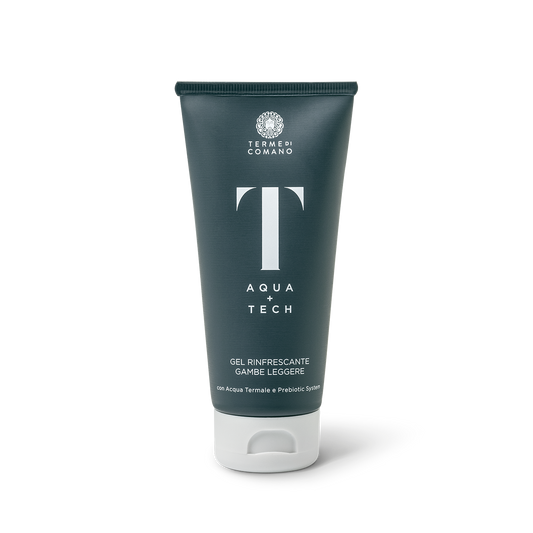
To combat leg fatigue and swelling, especially during warmer months or after a long day, Terme di Comano Skincare has developed a specific solution: the Refreshing Leg Gel
.
Formulated with selected active ingredients, it quickly alleviates the feeling of heaviness, giving legs a new freshness and vitality. Its light and melting texture absorbs easily, avoiding a greasy sensation and leaving legs soft and toned.

Suitable for daily use, the Refreshing Leg Gel is perfect as both a preventive and curative treatment, ideal for application both before and after physical activity. Integrating this product into your daily routine is an essential act of care for those who wish to keep their legs light and healthy, freeing them from the discomfort of swelling and fatigue.

Heavy and tired legs: answers to our experts' most frequently asked questions

  • Why do my legs feel heavy and tired after physical activity?

    Tired and heavy legs can be the result of excessive muscular effort, especially after intense physical activity or in conditions of poor physical fitness. This symptom, if persistent, should not be ignored and, if frequent, it is advisable to consult a doctor to rule out other conditions.

  • Why do legs feel heavier and more tired in summer?

    During the summer months, rising temperatures can worsen the symptoms of heavy and tired legs, especially in those who already suffer from circulatory problems. Heat tends to dilate blood vessels, complicating venous return.

  • What are the most common symptoms of poor circulation in the legs?

    • Tingling in the lower limbs
    • Swelling in the legs and/or ankles
    • Pain
    • Feeling of heaviness
    • Skin spots such as petechiae or small hematomas
    • Capillary fragility
    • Night cramps
      Presence of varicose veins
    • Water retention and cellulite
  • How can I reactivate circulation in my legs?

    • Use specific supplements for microcirculation.
    • Apply gels containing menthol, blueberry, or gotu kola to relieve swelling and heaviness.
    • Maintain regular physical activity.
    • Drink at least 1.5 liters of water a day.
    • Follow a balanced diet rich in antioxidants
  • How do I know if I have circulation problems?

    In addition to the symptoms listed above, the persistence of these signs may indicate circulatory problems. A medical examination is important for an accurate diagnosis and to rule out underlying conditions.

  • How can I relieve inflammation in my legs?

    In the presence of swelling, redness, or pain, it is essential to consult a doctor to determine the cause and receive appropriate treatment. Some remedies may include the use of cool compresses or specific gels, but it is crucial to identify the cause of the inflammation

  • Which vitamin is beneficial for the legs?

    Vitamin C is particularly beneficial for leg health due to its antioxidant and anti-inflammatory properties. It helps maintain blood vessel elasticity and improves venous tone

  • When to consult your doctor?

    If you experience pain associated with swelling in both legs, the presence of varicose veins, or foot pain, it is important to consult a specialist, such as an angiologist, phlebologist, or vascular surgeon. It is crucial to seek immediate medical assistance in case of pain due to trauma or a contusion, or if the feeling of heaviness is associated with pain that suddenly arises with fever, swelling or redness of the affected part, acute pain, worsening pain, or inability to move.

Conclusion

Understanding the causes and implementing effective strategies can make a big difference in managing this widespread problem.

From adopting a more active lifestyle to using specific products like Terme di Comano Skincare's Leggerezza Gel Rinfrescante Gambe, there are many options for keeping your legs light and fresh.
Remember to listen to your body and consult a healthcare professional if symptoms persist or worsen.

With the right precautions and care, you can enjoy summer without the discomfort of heavy legs, ensuring not only comfort but also a better quality of life during the warmer months.

1 of 2