Acido glicolico: cos’è, a cosa serve e come usarlo in modo sicuro sulla pelle

Glycolic acid: what it is, what it's for, and how to use it safely on your skin

| Scritto da Silvia Piccoli

When we talk about "acids" in cosmetics, we are not referring to aggressive substances, but intelligent active ingredients capable of promoting skin renewal in a delicate and controlled way. Alpha hydroxy acids (AHAs) — such as glycolic, lactic, and mandelic acid — are among the most appreciated protagonists of modern skincare for their ability to smooth, even out, and brighten the skin.

The use of these active ingredients has ancient roots: it is said that Cleopatra loved milk baths (rich in lactic acid, a natural AHA) to keep her skin soft and radiant. Today, among all of them, glycolic acid is the most studied: derived from sugarcane and fruit, its very small molecule easily penetrates the most superficial layers of the epidermis, promoting effective yet gentle exfoliation. The result? A smoother, more even, and radiant complexion.

In this article, we will look at what glycolic acid is, what it is used for, its benefits, how AHAs work, and how to introduce them into your beauty routine safely and effectively — especially in autumn and winter, the most suitable periods.


Caricamento...

What is glycolic acid

Glycolic acid, also known as hydroxyacetic acid, is one of the most well-known and studied active ingredients in modern cosmetics. It belongs to the family of alpha-hydroxy acids (AHAs), a group of natural acids derived mainly from fruit and sugar, known for their exfoliating and brightening properties.

It is mostly obtained from natural sources such as sugarcane, beets, and unripe grapes, but can also be synthesized in the laboratory with high purity standards. It is the smallest molecule among AHAs: this characteristic allows it to easily penetrate the outermost layers of the epidermis, promoting controlled and deep exfoliation.

Its mechanism of action is as simple as it is effective: it reduces the bonds between dead cells in the stratum corneum, facilitating their detachment and thus stimulating cell turnover. In this way, the skin appears smoother, more refined, and more even, with a brighter and more vibrant complexion.

At low concentrations (generally below 10%), glycolic acid is used in daily cosmetic products for a delicate and progressive exfoliation that keeps the skin soft and radiant. At higher concentrations, however, it is used in professional peels that can reduce spots, fine wrinkles, and post-acne marks.

In addition to its exfoliating action, glycolic acid stimulates fibroblasts to produce collagen, elastin, and glycosaminoglycans, improving skin firmness and promoting a more relaxed and radiant appearance. This is why it is considered one of the best anti-aging and evening ingredients, suitable for those who desire more radiant and renewed skin.

Alpha-hydroxy acids (AHAs): What are they and how are they related to glycolic acid?

Alpha-hydroxy acids (AHAs) are a family of organic “fruit acids” used in cosmetics for their exfoliating and brightening action. These include, among others, glycolic, lactic, mandelic, malic, citric, and tartaric acids: all work by weakening the bonds that hold dead cells together in the stratum corneum, promoting cell turnover and making the skin smoother, more even, and more radiant. At low concentrations, they are used in daily products for a smoothing effect; at higher dosages, they are included in periodic or professional peels.

Within the group, glycolic acid is the "smallest" in terms of molecular size: this is why it easily penetrates the most superficial layers of the epidermis and is often the reference choice when a more incisive exfoliation is sought (useful for treating spots, enlarged pores, dull skin, and fine lines). AHAs like lactic or mandelic acid, with larger molecules, work more gradually and are often suitable for sensitive skin or for first-time users.

In summary: AHAs share the chemical exfoliating mechanism, but they are not all equal in terms of potency and tolerability; glycolic acid represents the most direct link between visible efficacy and speed of results, while other AHAs allow for a gentler and more progressive path.

What is glycolic acid used for and what are its benefits

Glycolic acid is the ally that revives the skin when it appears dull or uneven. By removing dead cells from the surface, it helps the skin regain a fresher and more vital appearance, and over time, improved firmness.

What it does in practice:

  • Illuminates and evens out the complexion

  • Smooths the skin's surface

  • Reduces the visibility of dyschromia/spots and post-acne marks

  • Minimizes the appearance of pores and controls shine

  • Boosts subsequent treatments because the active ingredients are absorbed more effectively

  • Over time, it supports collagen and elasticity

How to best use it: introduce it gradually (especially on delicate skin), start with low concentrations and prefer evening use. Daily SPF is essential: freshly exfoliated skin is more reactive to light.

Terme di Comano Skincare products with glycolic acid and AHA

When the gentleness of Comano Thermal Water meets the regenerating power of alpha-hydroxy acids, skincare is born that can exfoliate, rebalance, and brighten with natural harmony. Terme di Comano Skincare laboratories have developed dermo-compatible formulas that harness the power of AHAs – such as glycolic acid and lactic acid – to renew the skin while respecting its sensitivity.

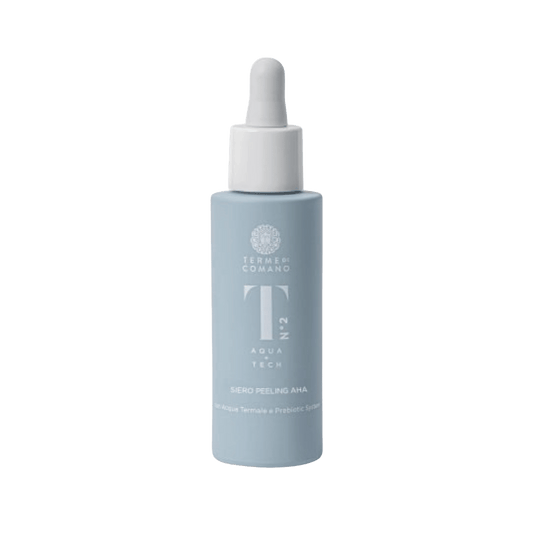
The new AHA Peeling Serum from Terme di Comano Skincare

It is the signature treatment for the renewal season: a multi-functional face and neck serum that combines the efficacy of a professional peel with the gentleness of thermal water. Formulated with Glycolic Acid, Lactic Acid, Comano Thermal Water, and Prebiotic System, it gently exfoliates, refines skin texture, evens out the complexion, and provides immediate radiance.

Its exclusive formula:

  • Glycolic Acid → exfoliates, unclogs pores, promotes cellular turnover.
  • Lactic Acid → smooths and rebalances, stimulates collagen and skin tone.
  • Saccharide Isomerate → deeply moisturizes with a long-lasting effect.
  • Comano Thermal Water → soothing, antioxidant, and regenerating.
  • Prebiotic System → rebalances the skin microbiota, strengthening the skin barrier.

Ideal as a daily regenerating step, to be applied in the evening on cleansed skin. The following day, complete the routine with an SPF 30 or 50+ sunscreen to maintain radiance and comfort.

Related Products: Hydration, Comfort, and Regeneration

To enhance the action of the AHA Peeling Serum, Terme di Comano offers a complete routine that supports the skin before and after exfoliation.

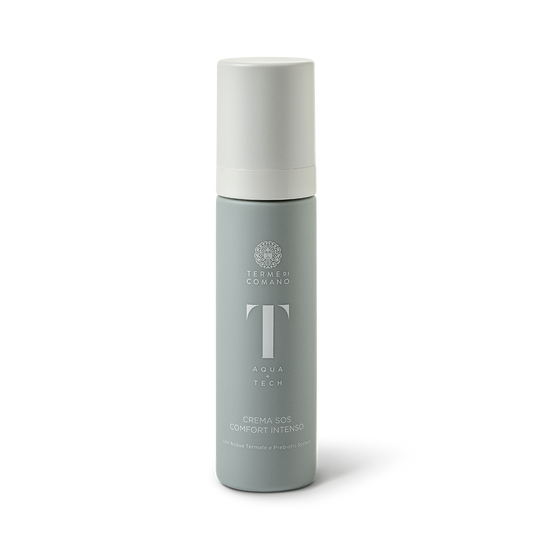
  • SOS Intense Comfort Cream – Calming and restorative action post-peeling. Soothes redness and deeply hydrates, ideal for sensitive or reactive skin.
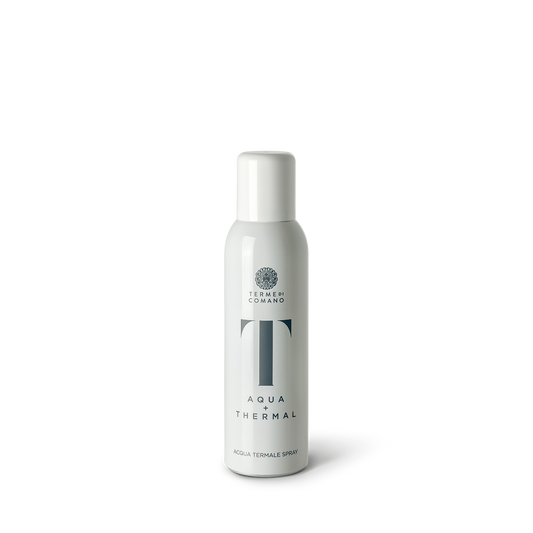
  • Thermal Water Spray
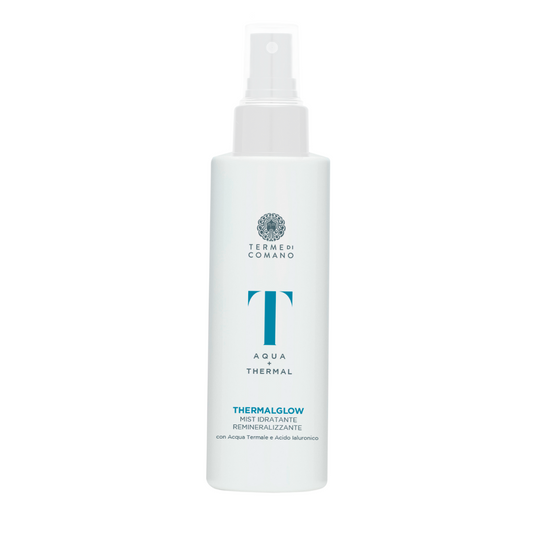
  • Thermalglow – Hydrating and Revitalizing Mist – A refreshing mist that restores pH and adds radiance. Excellent in synergy with exfoliating treatments.
  • Hydro-Active Cream – Intensive hydration and maintenance of skin balance. Perfect as a comfort phase after AHA treatments.
  • Global Age Rich Texture Cream – Anti-aging formula with glycolic acid and stabilized vitamin C, for mature skin seeking firmness and tone.

Professional facial treatment at Hotel Terme di Comano

Alongside the cosmetic line, the new professional Perfect Skin Exfoliating – Illuminating treatment has also been created, dedicated to the regenerating power of AHA Peeling.

A 50-minute facial treatment that combines the expertise of Terme di Comano operators with the effectiveness of professional smoothing and illuminating formulas.

Through five harmonious steps, alternating enveloping maneuvers and targeted application techniques, the skin is freed from impurities and guided through a deep renewal process, regaining balance, radiance, and new vitality.

Ideal for dull, thickened, or time-marked skin, it provides a brighter, more even, and smoother complexion from the very first treatment.

An experience that combines effectiveness and sensoriality, to restore authentic radiance to the face.

Glycolic Acid: Answers from Terme di Comano Skincare Experts

Glycolic acid is a great ally for skin renewal, but like any effective active ingredient, it should be used with balance and awareness. Terme di Comano experts answer the most common questions to help you integrate this ingredient safely and personally into your skincare routine.

What does glycolic acid really do to the skin?
Glycolic acid is a chemical exfoliant that removes dead skin cells and stimulates cell turnover. In this way, it helps to smooth texture, even out skin tone, reduce wrinkles and spots, and improve overall skin radiance. In addition, it promotes the production of collagen and elastin, contributing to firmer and more toned skin, and can help regulate sebum production in combination or oily skin.

How and when to use it?
Glycolic acid is found in serums, creams or lotions to be used on clean, dry skin, preferably in the evening. Those using it for the first time should start with low concentrations (5-10%), once or twice a week, then gradually increase the frequency. After application, it is important to complete the routine with thermal water spray and a moisturizing and soothing cream, such as SOS Comfort Intenso Cream or Idro-Attiva Cream, to restore comfort and hydration.

Do I need to use sunscreen after glycolic acid?
Yes, always. Glycolic acid increases skin photosensitivity: after an exfoliating treatment, the skin is more exposed to UV rays and needs to be protected. Experts recommend daily broad-spectrum protection (SPF 30 or 50+), such as Terme di Comano SPF 50+ Sun Cream, even in colder seasons or on cloudy days.

How many times a week can I use it?
It depends on your skin type and the concentration of the product:

  • High-concentration peels or exfoliants: 1-2 times a week, always in the evening.
  • Low-concentration cosmetic products: up to 3-4 times a week, alternating with moisturizing and restorative treatments. Up to daily use.
  • For sensitive skin, it is better to start with occasional use, observing the skin's reaction before increasing frequency.

Are there any contraindications or side effects?
Glycolic acid is generally well tolerated, but it can cause temporary redness or stinging, especially during the first applications. It is not recommended in cases of:

  • damaged or inflamed skin (active acne, herpes, dermatitis);
  • recent dermatological treatments;
  • pregnancy or breastfeeding, unless otherwise medically advised. In case of persistent discomfort, it is advisable to stop use and opt for calming and rebalancing products such as D.A. Balance Pro Soothing Cream or D.A. Palpebral Ointment.

When is it best to avoid glycolic acid?
It is best to suspend or postpone use in cases of ongoing irritation, reddened or sensitive skin, or recent cosmetic treatments. During summer or in cases of strong sun exposure, it is preferable to opt for more delicate exfoliants, such as mandelic acid, or limit application to evening treatments with adequate protection the following day.

Expert advice
To safely integrate glycolic acid, always remember three rules:

  1. Start gradually, observing your skin's response.
  2. Always hydrate afterwards with rebalancing products such as Thermal Water Spray, Thermalglow or SOS Comfort Intenso Cream.
  3. Protect your skin from UV rays every day, even when the sky is cloudy.

Conclusion

Glycolic acid is a powerful ally, but consistency and gentleness in its use make all the difference. With Terme di Comano Skincare's thermal and dermo-compatible approach, exfoliation becomes a regenerating ritual: skin becomes brighter, more even, and more vibrant — while fully respecting its natural sensitivity.

1 of 4