Come lo stress ossidativo e i radicali liberi accelerano l'invecchiamento della pelle

How oxidative stress and free radicals accelerate skin aging

| Scritto da Ilaria Zanfranceschi

Skin oxidation is a phenomenon less known than the concepts of oxidative stress and free radicals, but it is just as crucial for understanding skin aging processes. These aggressive agents compromise the vitality of the skin, leaving visible signs such as wrinkles, dark spots, and a general loss of radiance and tone.

Together with the experts at Terme di Comano Skincare, we explore the dynamics of skin oxidation and the most effective strategies to combat it.


Caricamento...

Understanding aging

“Our age depends on how we live. We can become like a ghost town. Or like a tree that continues to be important even when it can no longer stand straight.” Paulo Coelho


Aging is a complex biological process that involves every part of our body
, altering its functionality. It is a phenomenon that follows a genetically determined program but, at the same time, is deeply influenced by environmental factors.

The epidermis, our first line of defense against the outside world, is particularly susceptible to the combined effects of genetics and environment, making the process of skin aging one of the most visible and studied aspects of this biological process. With the increase in average life expectancy, especially in developed countries, attention to the phenomenon of aging has intensified. It is not uncommon to observe active and vital nonagenarians, while other individuals may show signs of decline as early as sixty.

But what are the causes of this variation? And how can we positively influence our aging?
Our body is constantly exposed to stressors such as unbalanced nutrition, pollution, cigarette smoke, and psycho-emotional stress, which contribute to weakening our natural defenses and accelerating the aging process. Approximately one-third of the factors influencing aging are genetic, but the remaining two-thirds can be modulated through lifestyle, suggesting that we play a significant role in managing our aging.


In response to these factors, the skin shows visible signs such as wrinkles, spots, and alterations in skin texture. These are due not only to the visible effects of oxidative stress but also to functional changes in internal organs. Studies suggest that through proactive choices and healthy lifestyles, we can positively influence our aging journey, adopting pre-aging and pro-aging approaches that value well-being and longevity, compared to traditional anti-aging methods that simply aim to correct visible signs of aging.

To effectively counteract aging, it is essential to adopt an integrated approach that includes proper nutrition, regular physical activity, and the use of functional cosmetics. These interventions aim not only to keep the skin visibly young but also to preserve the vitality and functionality of internal organs, striving for "best-aging," which means successful aging with the minimum possible physiological decline.

What is skin oxidation and what is its link to oxidative stress?
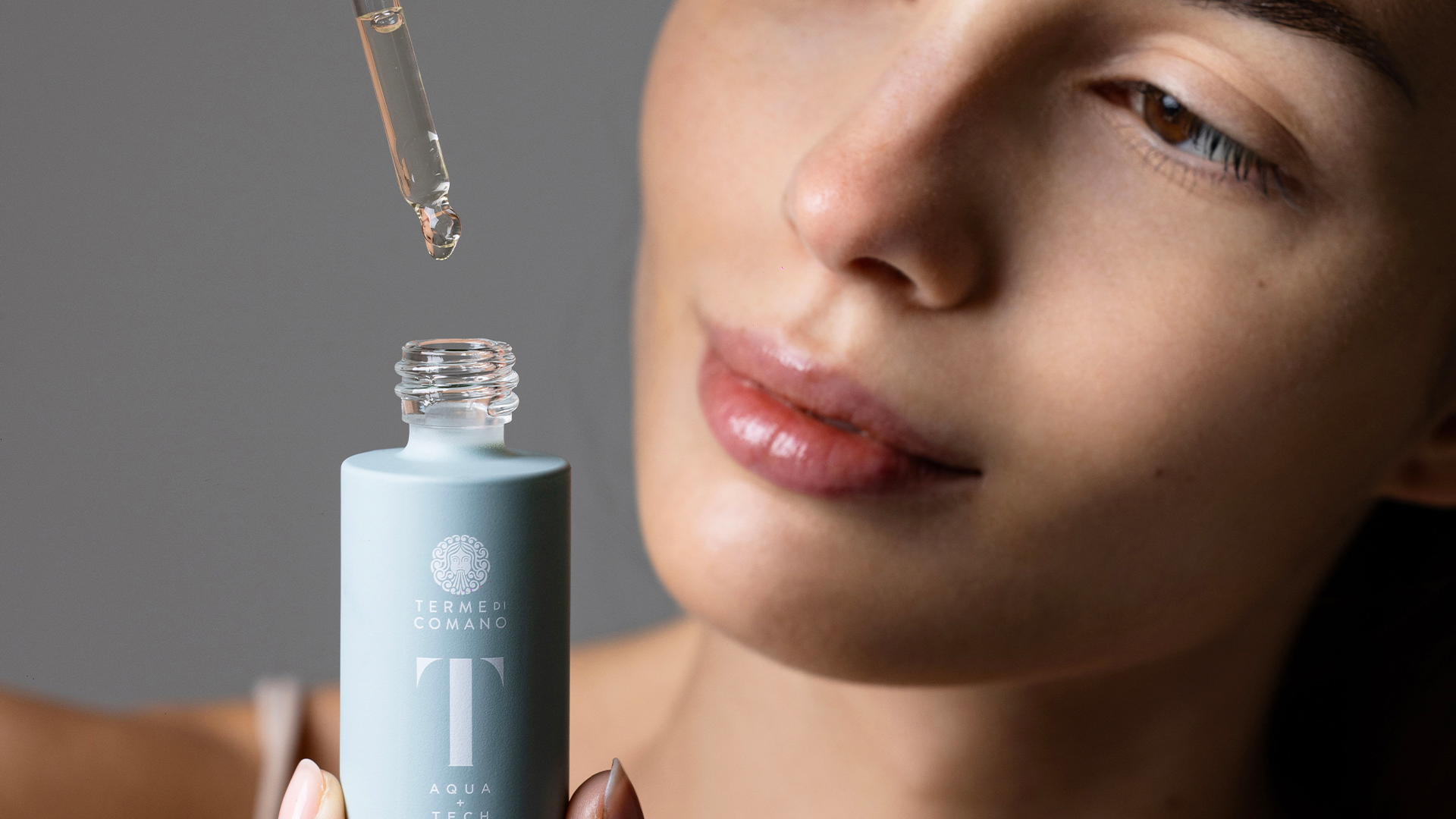
Skin oxidation is a crucial biological phenomenon in which fundamental components such as collagen, elastin, and hyaluronic acid are subject to attack by reactive oxygen species (ROS) and other oxidizing agents.
These highly reactive compounds can originate from both external sources, such as UV radiation, air pollution, and ozone, and internal processes, such as oxidative metabolism in the mitochondria.
Over time, the accumulation of oxidative stress and the body's inability to compensate for the production of free radicals lead to substantial damage, visible as wrinkles, age spots, and a general loss of skin tone and radiance.

But what is "oxidative stress"? The term describes an imbalance between the formation of free radicals and the body's ability to neutralize them through antioxidant systems. This imbalance causes lipid peroxidation, damage to cellular DNA, and protein dysfunction, with direct consequences for cellular and tissue health. Joseph A. Lewis, a pioneer in anti-aging cosmetic research, highlighted how cellular oxidation, or oxidative stress, is a primary cause of skin aging, amplified by sun exposure, pollution, smoking, and other stressful factors.

Causes of skin oxidation
and oxidative stress

Skin oxidation and oxidative stress are closely related phenomena, influenced by a series of internal and external factors that compromise skin health.

The main causes include:

  • UV Radiation Exposure: Solar rays, particularly UVB and UVA rays, penetrate the skin and generate free radicals, accelerating the skin aging process and damaging DNA, proteins, and cellular lipids.
  • Environmental Pollution: Substances such as exhaust fumes, smoke, and fine particulate matter (PM2.5) deposit on the skin, causing oxidative reactions that exacerbate oxidative stress, resulting in inflammation and collagen degradation.
  • Cigarette Smoke: Smoking introduces a large quantity of free radicals into the body, which not only directly damage the skin but also compromise its ability to respond to oxidative stress.
  • Diet and Lifestyle: A diet lacking in antioxidants, excessive alcohol consumption, and a sedentary lifestyle can reduce the body's natural defenses against free radicals. Additionally, chronic stress increases the production of hormones that can intensify free radical formation.
  • Internal Biological Processes: Normal cellular metabolism also produces free radicals as byproducts, which, if not adequately neutralized, can contribute to cellular deterioration and premature aging.

How to combat skin oxidation and oxidative stress
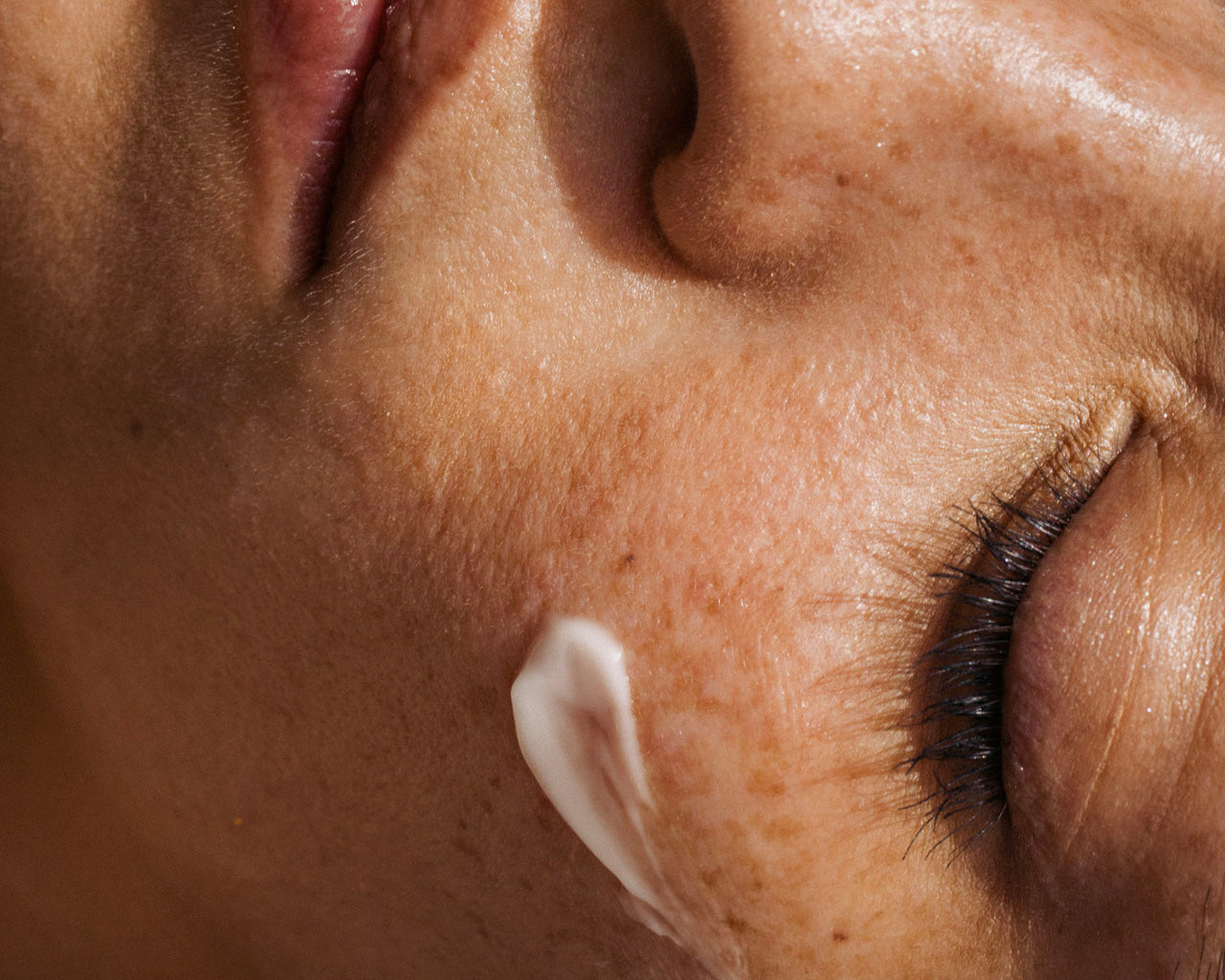
To counteract the effects of skin oxidation and oxidative stress, it is essential to adopt an integrated approach that includes:

  • Sun Protection: Using broad-spectrum SPF products to minimize UV ray damage.
  • Antioxidants: A diet rich in antioxidants and the use of skincare products with powerful antioxidants like vitamin C, which neutralize free radicals.
  • Healthy Lifestyle: Regular physical activity, stress reduction, and avoiding pollutants and toxic substances contribute to maintaining healthy skin.

What are free radicals and why are they harmful to the skin?
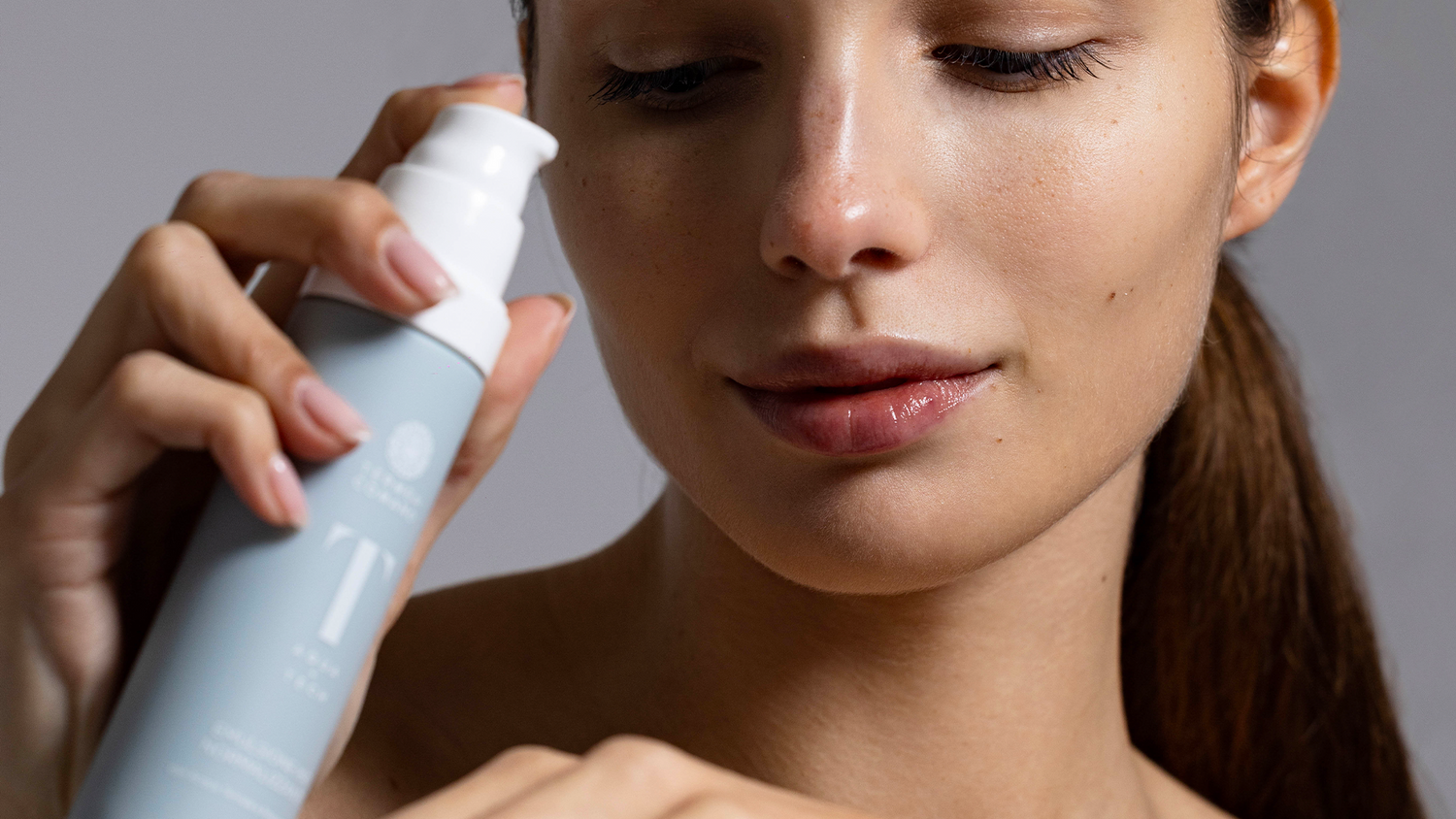
Free radicals, also known as reactive oxygen species (ROS), are unstable molecules generated by normal metabolic processes in cells, including respiration.

This oxidation process, similar to the browning of a cut apple, visibly accelerates skin aging, leading to the formation of wrinkles and loss of elasticity.

Free radicals are naturally formed in the body, but external factors such as UV exposure, pollution, cigarette smoke, an unbalanced diet, and physical and psychological stress can increase their production.

To combat free radical damage and prevent premature skin aging, maintaining a healthy lifestyle is essential: this includes a diet rich in antioxidants, avoiding smoking, reducing alcohol consumption, and managing stress.

But what exactly are antioxidants and why are they so important for our skin's health?

Antioxidants: Good for your skin

Antioxidants are molecules capable of preventing or slowing down cell damage caused by free radicals, acting as true protective shields.

Vitamins such as A, C, E, lipoic acid, and minerals like selenium and zinc act as shields, protecting the skin barrier from external aggressors. Vitamin C, in particular, not only counteracts free radicals but also stimulates collagen production, thereby improving skin elasticity and contributing to wrinkle reduction.

The Benefits of Antioxidants

  • Slowing Down Aging

    Penetrating deep into the skin, antioxidants neutralize free radicals, slowing down the aging process and reducing the formation of wrinkles and fine lines.

  • Skin Radiance

    They limit the damage to collagen caused by oxidative stress, thus allowing the skin to maintain its natural radiance.

  • Reduction of pigmentation spots

    They reduce cellular inflammation and limit the formation of pigmentary spots, helping to even out skin tone

  • Soothing properties

    The anti-inflammatory action of antioxidants can soothe irritated skin, being particularly helpful for conditions such as acne and rosacea.

  • Sun damage protection

    Paired with sunscreens, they effectively protect the skin from UV damage, neutralizing free radicals generated by sun exposure

  • Hydration

    Some antioxidants, such as vitamin E, have moisturizing properties that help keep the skin supple and soft.

Conclusion

Skin oxidation, triggered by both internal and external factors such as sun exposure, stress, and pollution, is a critical phenomenon in the skin aging process.

These elements accelerate the production of free radicals, which damage collagen, proteins, and DNA, contributing to the formation of wrinkles, dark spots, and a loss of skin radiance and elasticity.

Concurrently, oxidative stress further exacerbates these harmful effects.

To effectively counteract these processes, it is essential to adopt preventive and proactive measures, understanding the importance of a diet rich in antioxidants and the implementation of an appropriate skincare routine.
By integrating these practices into your daily routine, you can not only improve the external appearance of your skin but also preserve its function and maintain its youthfulness in the long term.

Adopting a skincare routine that includes the use of antioxidants, both through diet and specific skincare products, is essential for protecting the skin and preserving its youthfulness and health long-term.

1 of 4