
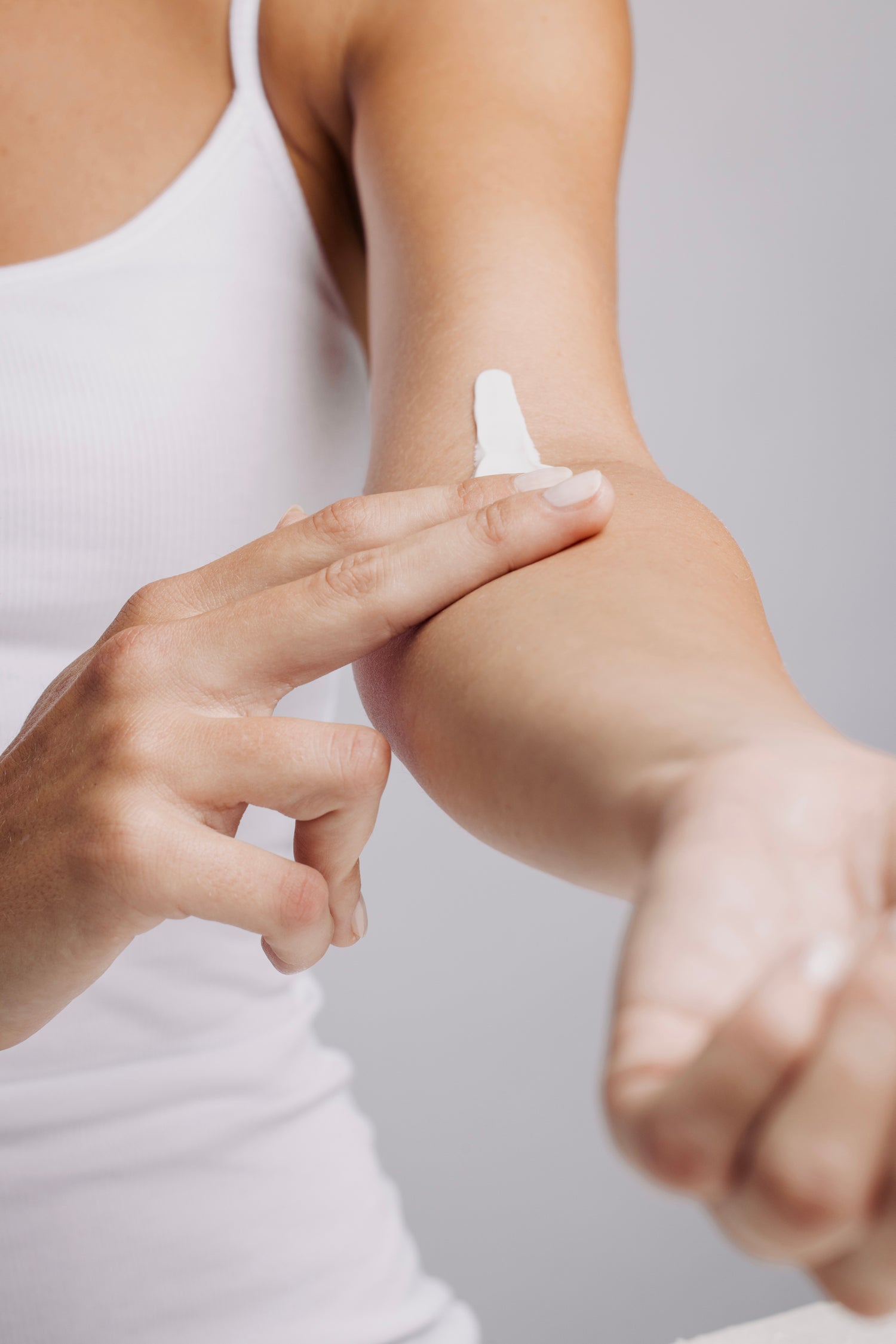
Sensitive skin: what it is, causes, and tips on how to protect it
Sensitive skin is an increasingly common skin problem that affects many people and can manifest at various times in life.
It is skin that reacts easily to external and internal factors, manifesting symptoms such as redness, itching, stinging, and, in some cases, even pain. Even in winter, due to low temperatures and wind, these reactions can intensify, aggravating problems such as rosacea and couperose, two conditions closely linked to sensitive skin.
At Terme di Comano, we are committed to offering effective and scientifically validated solutions for the treatment of this skin type. Thanks to our thermal water with its soothing and regenerating properties, we develop specific programs and dermo-cosmetic products designed to reduce inflammation, restore the skin barrier, and improve overall skin well-being. In this article, we will explore how to care for sensitive skin during winter, providing practical advice and highlighting our integrated approach, particularly effective in managing conditions such as rosacea and couperose.
Table of Contents
What is sensitive skin?
Sensitive skin is extremely fragile and delicate, often hyper-reactive to external stimuli, which can include environmental factors, chemical agents, or other irritants. This skin type easily manifests symptoms such as itching, redness, stinging, and an uncomfortable tight sensation. Sensitivity can be associated with a weakened skin barrier, which is unable to adequately retain moisture and protect against external irritants.
Regardless of skin type – be it dry, oily, or combination – anyone can develop skin sensitivity. Some individuals experience this issue constantly, while others only notice flare-ups in the presence of specific internal or external factors, such as stress, climate changes, harsh cleansers, or exposure to certain allergens. When the skin's protective function is compromised, external agents can penetrate more easily, worsening redness and dehydration.
Among the most common manifestations of sensitive skin are irritation, redness, and a greater predisposition to the early development of signs of aging such as wrinkles.
How to recognize sensitive skin
It is not always easy and straightforward to recognize sensitive skin, as symptoms vary from person to person. However, there are some common signs or sensations that can help identify it.
Visible signs
Sensitive skin can manifest as redness, erythema, flaking, or dryness. These manifestations are often more pronounced on the face, particularly on the chin, lips, cheeks, forehead, and nasolabial area, where the skin is thinner and more delicate. In some cases, sensitive skin can also show signs of premature aging, such as superficial wrinkles or spots.
Sensory Symptoms
Even when there are no obvious external signs, sensitive skin can cause uncomfortable sensations such as burning, stinging, itching, and the typical feeling of tightness. These symptoms can be triggered by environmental factors, cosmetics, or climatic changes, making the skin more reactive and vulnerable to external agents.
In some cases, sensitive skin can evolve into more severe conditions, such as rosacea or couperose, which manifest as persistent redness and visible small blood vessels. If you suspect you have sensitive skin or are experiencing these symptoms, it is advisable to consult a dermatologist for a thorough evaluation and personalized advice.
Causes of Sensitive Skin
Sensitive skin is characterized by an overreaction to external stimuli, mainly due to the irritability of nerve endings in the upper layers of the skin. This condition can be triggered or worsened by a series of factors, both internal and external, that compromise the epidermis's natural barrier function, making it more vulnerable to irritation, redness, and dryness.
-
External causes
Environmental factors are among the main causes of skin sensitization. Temperature fluctuations, wind, intense cold, or excessive heat can weaken the skin's protective barrier, causing redness and dehydration. Air pollution and prolonged exposure to UV rays without adequate sun protection are other common causes that can lead to skin sensitivity. Also, the use of aggressive cosmetics, products containing alcohol, surfactants, or perfumes, and unsuitable cleansers, contribute to damaging the skin, making it more susceptible to irritation.
-
Internal causes
Some internal factors also play an important role in determining skin sensitivity. Hormonal imbalances, related to pregnancy, the menstrual cycle, or menopause, can aggravate the condition. Similarly, stress and intense emotions can activate the skin's nerve endings, causing redness and a sensation of heat. Alcohol abuse, an unbalanced diet, or food intolerances (such as gluten intolerance) can worsen skin reactivity, as can dehydration or excessive sweating.
-
The skin barrier function
Skin that is defined as healthy is skin protected by a stratum corneum that forms a physical barrier against external aggressions, such as microorganisms, allergens, and chemical substances. This layer is supported by a hydrolipidic film that keeps the skin hydrated and protected. When the skin barrier is compromised, the skin loses its ability to retain moisture and becomes more exposed to irritants. This condition can lead to dryness, itching, redness, and, in more severe cases, to inflammation and chronic sensitization, such as couperose and rosacea.
Conditions related to sensitive skin: atopic dermatitis, erythema, couperose, and rosacea
Characterized by high reactivity to external stimuli and a compromised skin barrier, skin defined as sensitive can be a fertile ground for the onset or worsening of certain dermatological conditions. Among these, the most common are atopic dermatitis, erythema, couperose, and rosacea. These conditions not only share with sensitive skin a predisposition to irritation and redness, but often represent its more complex and chronic evolution.
-
Atopic dermatitis
Atopic dermatitis is a chronic inflammatory skin condition, particularly common in those with sensitive skin. This condition is characterized by dryness, intense itching, redness, and, in some cases, the formation of scaly lesions. The impaired skin barrier typical of atopic dermatitis makes the skin unable to properly retain moisture, which exposes it to irritants, allergens, and microorganisms, thus worsening the symptoms.
People with atopic dermatitis often have a genetic predisposition to develop allergic reactions, such as hay fever or asthma, a condition known as "atopy." The symptoms of atopic dermatitis worsen in the presence of triggers, such as psychophysical stress, climate changes, unsuitable cosmetic products, and contact with irritating materials. Since sensitive skin already has a compromised barrier function, this pathology represents one of the most difficult manifestations to manage, requiring the use of emollient creams and soothing treatments to reduce inflammation and restore the skin barrier. -
Erythema
Erythema is another typical manifestation of sensitive skin, which appears as a temporary reddening of the skin caused by the dilation of superficial blood capillaries. This can be triggered by various factors, including exposure to ultraviolet rays (sunburn), heat, stress, and contact with irritating agents. People with sensitive skin are particularly prone to developing erythema, especially in more exposed areas such as the face, neck, and hands.
The main symptom of erythema is redness, which may be accompanied by a sensation of warmth, burning, and in some cases, swelling. The condition is often temporary, but if left untreated or exacerbated by external factors, it can evolve into more persistent and chronic conditions. The treatment of erythema in people with sensitive skin involves protecting the skin from sunlight with the use of high SPF creams, constant hydration, and the use of soothing products. -
Couperose
Couperose is a chronic dermatological condition linked to skin sensitivity, which manifests as persistent redness and the formation of small visible capillaries (telangiectasias) on the surface of the face, particularly on the cheeks, nose, and chin. This disorder is caused by the dilation of superficial blood capillaries which, once dilated, struggle to return to their normal size. Couperose tends to worsen over time if not treated properly, and can evolve into rosacea.
Symptoms of couperose include, in addition to widespread redness, a sensation of heat and burning in the affected areas, often exacerbated by triggers such as temperature changes, sun exposure, emotional stress, and the consumption of spicy foods or hot beverages. Managing couperose requires the use of soothing and protective treatments that can strengthen the skin barrier and protect dilated capillaries.
-
Rosacea
Rosacea is a chronic inflammatory condition that primarily affects the face, manifesting as persistent redness, visible dilated capillaries, papules, and sometimes pustules, similar to acne. It is a complex condition, more common in people with fair skin, and can be triggered by a variety of external and internal factors, including sun exposure, temperature changes, consumption of alcohol and spicy foods, as well as emotional stress.
Rosacea is progressive, and without treatment, it can worsen, progressing from simple redness to permanent dilation of capillaries (telangiectasias) and the formation of skin thickening. Rosacea treatment varies depending on severity, but usually includes the use of topical or oral antibiotics, soothing products, and sun protection. In some cases, laser treatments are used to reduce the visibility of dilated capillaries.
-
Couperose and Rosacea: What's the Difference?
Although couperose and rosacea are often confused, they have key differences. Couperose is a milder condition, primarily characterized by redness and visible capillaries, whereas rosacea is an inflammatory disease that also includes the appearance of pimples and pustules. Couperose can evolve into rosacea if not managed correctly, making prevention and daily care with products specifically for sensitive skin prone to these issues essential.
In both conditions, it is crucial to protect the skin from triggering factors, such as sun exposure and temperature fluctuations, and to use soothing and anti-redness treatments to alleviate symptoms and prevent the worsening of the conditions.
How to care for sensitive skin: tips and skincare with Terme di Comano Skincare products
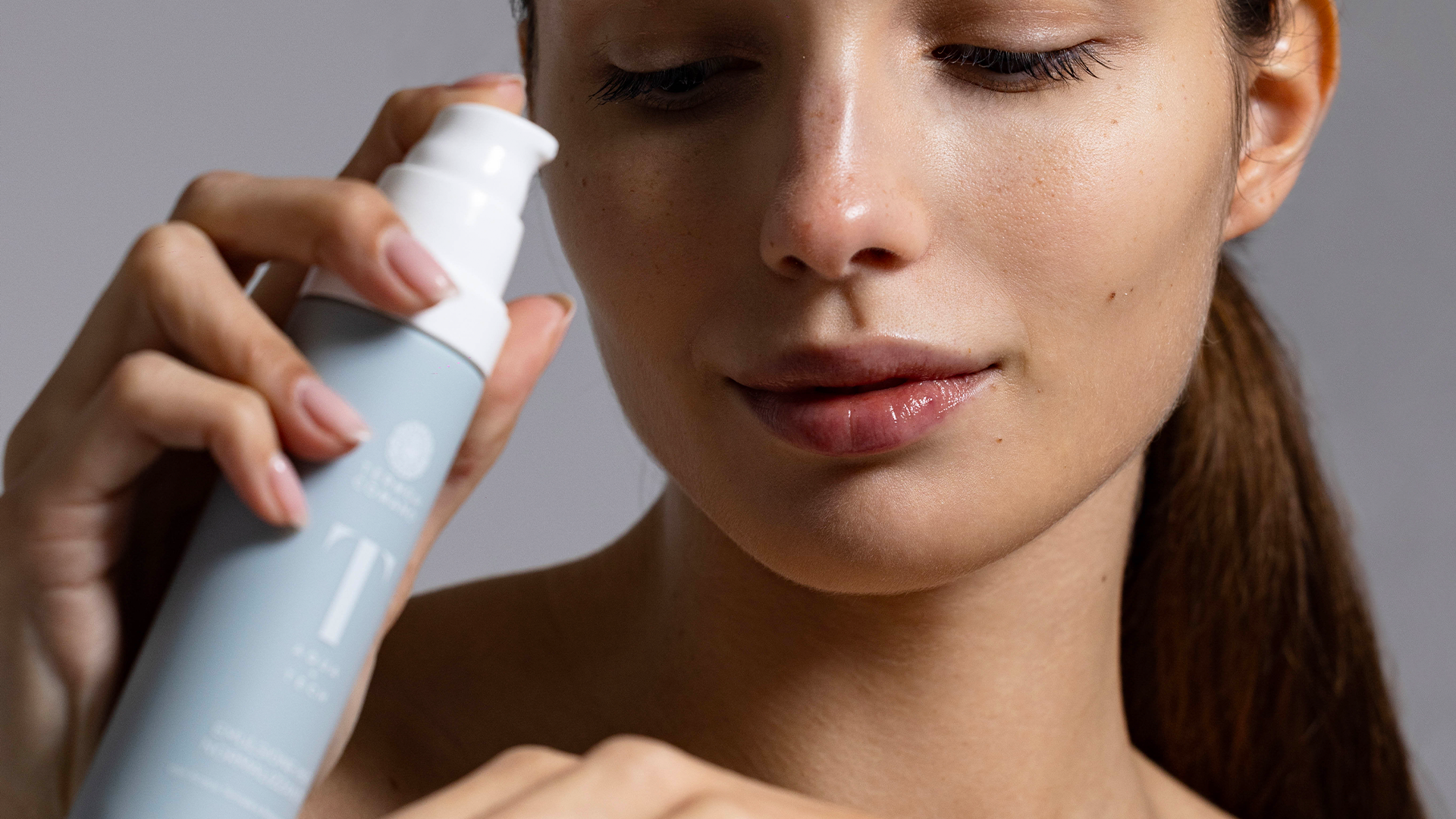
Caring for sensitive skin requires a delicate and targeted approach, considering its fragile and easily irritated characteristics. A proper daily routine and the use of specific products can help prevent redness, itching, and skin reactions, keeping the skin hydrated and protected. Terme di Comano Skincare products, thanks to the soothing and regenerating properties of thermal water, are particularly suitable for treating sensitive skin.
1. Tips for a Daily Facial Beauty Routine
For the delicate and sensitive facial area, it is advisable to adopt a simple but effective skincare routine, using products specifically formulated to reduce the risk of irritation and ensure hydration and protection.
Cleansing is also fundamental for caring for sensitive skin. Choose products that respect the skin barrier and do not contain aggressive surfactants. The High Tolerance Cleansing Oil is the ideal solution: its delicate formula cleanses without altering the skin's natural balance, keeping it soft and hydrated. Perfect for both face and body, this product is ideal for those suffering from irritation and dry skin.
For those who prefer a cream-based cleanser, the Cleansing Milk Cream is the ideal solution. With a creamy consistency, it deeply cleanses without irritating, removing impurities and make-up in one step. Thanks to liposomal hyaluronic acid, Comano Thermal Water, and the Prebiotic System, it improves skin hydration and vitality, leaving the face soft and radiant.
After every cleansing, always apply a moisturizer like the SOS Intense Comfort Face Cream to provide the skin with the necessary nourishment and protect it from external aggressors. Specifically formulated for those with redness or couperose, this face and neck cream helps restore skin balance, reducing redness and providing comfort and hydration. It is also particularly suitable after aesthetic medicine treatments for its soothing effect.
Another essential product is the D.A. Eyelid Ointment, designed for dry and delicate eyelids. Its rich and nourishing formula provides immediate relief from the sensation of "tight skin" and reduces itching and redness, restoring the skin barrier in this delicate area.
2. Don't forget your body: remember to moisturize your body skin too
Even the sensitive skin on your body needs constant hydration to maintain its protective barrier. D.A. Intense Relief Moisturizing Cream is specifically formulated for dry and sensitive skin. Thanks to the soothing and anti-inflammatory action of Comano Thermal Water and the active ingredients contained in the Repair System, this cream deeply moisturizes, reduces redness, and provides immediate relief to tight-feeling skin.
3. Promote skin regeneration
For sensitive skin, chemical and mechanical exfoliants should be used with caution. The Terme di Comano Skincare line includes moisturizing and soothing products that help the skin renew itself without resorting to aggressive scrubs. Among these, the Thermal Water Spray is a valuable ally for those with sensitive skin, as it offers a hydrating, soothing, and refreshing action. Using it regularly can help maintain skin balance. Thanks to its formulation rich in beneficial minerals, such as calcium and magnesium, it promotes skin regeneration and calms irritations and redness, improving its ability to retain moisture and preventing dryness and flaking.
4. Protection from external agents
Since sensitive skin is particularly vulnerable to damage caused by environmental factors such as sun, wind, and temperature changes, it is therefore essential to use specific products that protect it and strengthen its natural barrier.
When it comes to sun exposure, protection is fundamental, especially for sensitive skin. Specifically formulated for very fair and delicate skin, High Protection SPF 50+ Sun Cream ensures optimal defense against UVA and UVB radiation, preventing skin damage and blemishes related to photoaging. Thanks to its light and non-sticky texture, it is perfect for both the face and body and can be used all year round. It is particularly suitable for protecting the skin even in situations of intense solar radiation, such as at the beach or in the mountains, and is also ideal after aesthetic medicine treatments.
5. Allergen-free cosmetics
To prevent unwanted reactions, it is important to use products free of allergens, fragrances, and irritating preservatives, such as Sos Comfort Intenso cream, with its intense soothing and restorative action.
6. Diet and lifestyle
In addition to a good skincare routine, diet plays a key role in caring for sensitive skin. Incorporate foods rich in antioxidants and vitamin C into your diet to help your skin regenerate and maintain its protective barrier. Drinking plenty of water and reducing stress are equally fundamental: activities such as yoga or meditation can help keep stress levels under control, which often worsen skin sensitivity.
Sensitive skin: our experts' tips
Caring for sensitive skin requires special attention and a specific routine to maintain skin balance and prevent irritation. Our experts are available to offer helpful advice and answer common questions on how to best manage and protect this skin type, especially during the most critical times of the year. Here are some of the most frequent questions:
-
What are the signs that indicate sensitive skin?
Symptoms of sensitive skin can include redness, itching, a feeling of "tightness," stinging, and increased reactivity to external agents. It can also manifest with dryness and flaking, especially in response to environmental factors or the use of unsuitable products. -
Can sensitive skin worsen with age?
Yes, as we age, the skin can become thinner and more vulnerable, losing part of its natural protective barrier. This can make it more sensitive and prone to reactions to external agents such as temperature changes, sun, wind, and stress. -
Is it true that sensitive skin requires fewer products in a skincare routine?
In general, it is advisable to use few products, but ones specifically formulated for sensitive skin. The ideal is to choose gentle cleansers and moisturizing creams that restore the skin barrier without irritating it. Excessive use of products can overload the skin, worsening its condition. -
How can I protect my sensitive skin from the sun?
Sun protection is essential. Always choose sunscreens with a high protection factor (SPF 30 or higher) that are formulated for sensitive skin, free of fragrances and irritating substances. It is also important to avoid exposure during the hottest hours of the day and to wear protective accessories such as hats or sunglasses. -
Can I use exfoliating treatments if I have sensitive skin?
Exfoliants must be used with extreme caution and only if formulated for sensitive skin. Avoid overly aggressive exfoliants and use those based on small granules or mild acids to remove dead cells without irritating the skin. -
What are the best ingredients to hydrate sensitive skin?
For sensitive skin, the choice of ingredients is crucial. The best allies for restoring hydration and strengthening the skin barrier are those that act gently but effectively. Among these, Hyaluronic Acid is essential for retaining moisture. Panthenol is known for its soothing and regenerating properties, reducing irritation and redness, and Ceramides help strengthen the skin barrier, preventing water loss and protecting the skin from external agents. Furthermore, Comano Thermal Water, the heart of all Terme di Comano Skincare products, is a unique ingredient for calming and soothing irritated skin. Thanks to its softening action, it promotes skin regeneration and alleviates the discomfort typical of sensitive skin. By using products that combine these ingredients, it is possible to achieve deep and lasting hydration, keeping the skin healthy and protected. -
Can I wear makeup if I have sensitive skin?
Yes, but it is important to choose hypoallergenic cosmetics, free of aggressive fragrances or preservatives. Make sure to remove makeup with a gentle cleanser at the end of the day to avoid irritation. With the right advice and the use of appropriate products, it is possible to keep sensitive skin healthy, minimizing discomfort and improving its resistance to external agents. -
What can worsen the condition of sensitive skin?
Frequent washing, especially with very hot water, can further dry and sensitize the skin. Rubbing vigorously to dry the skin, along with the use of aggressive cleansers with traditional surfactants, can remove surface lipids and natural moisturizing factors, compromising the skin barrier. It is important to limit hot baths and showers, use gentle products, and pat the skin dry with a soft towel. -
Does sensitive skin equate to an allergy?
No, sensitive skin is not synonymous with allergy. Often these two conditions are confused, but it is important to emphasize that skin sensitivity is not linked to an immunological reaction. While allergies are triggered by specific allergens, sensitive skin reacts to external stimuli without involvement of the immune system. This means that the symptoms of sensitive skin are not necessarily signs of intolerance or allergy to certain cosmetic ingredients. -
What type of skin can be sensitive?
Any skin type, whether dry, oily, or combination, can become sensitive. Symptoms of sensitive skin, such as redness, itching, or burning, can be constant or triggered by external factors such as temperature changes, sun exposure, wind, or unsuitable cosmetic products. Internal factors such as stress or hormonal changes can also influence skin sensitivity. -
Can sensitive skin cause couperose or rosacea?
Yes, sensitive skin can predispose to the development of conditions such as couperose or rosacea, although it is not always the case that sensitive skin automatically leads to these pathologies. Couperose and rosacea are inflammatory skin disorders that manifest as widespread redness, especially on the face, and are often linked to capillary fragility. Those with sensitive skin tend to be more vulnerable to these problems, as the skin barrier is less efficient in protecting against external agents. Prolonged exposure to environmental factors, such as sun, wind, and temperature changes, or the use of unsuitable cosmetic products, can aggravate this sensitivity and favor the onset of couperose or, in more severe cases, rosacea.
Conclusion
Caring for sensitive skin requires attention and consistency, especially during times of the year when it is most exposed to external factors such as cold, wind, and temperature changes. Adopting a targeted skincare routine, choosing gentle products specifically formulated to soothe, moisturize, and protect, is essential to maintain skin health and prevent problems such as couperose or rosacea.
Don't forget that healthy-looking skin is the result of adequate care and prevention. With the right products and constant attention, it is possible to live well even with sensitive skin.
Related products
-
Cleansing Oil High Tolerability
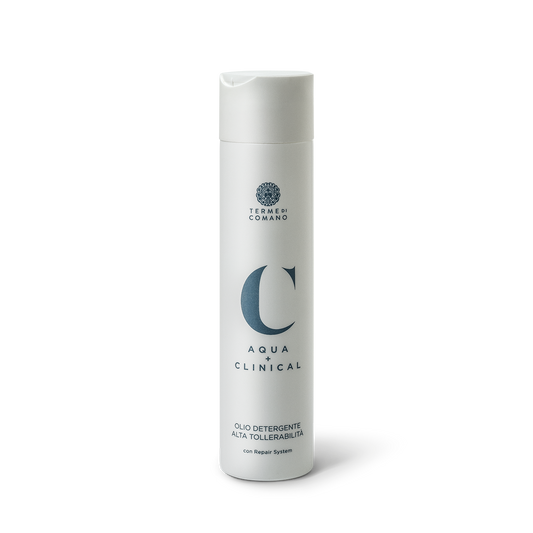
Dry, sensitive skin with irritation tendency
Gentle cleansing oil that in contact with water creates a soft emulsion that respects the skin natural barrier and guarantees a high tolerance. Its delicate formula, without foaming agents, cleanses the skin preserving the...
Find out moreRegular price €23,00Sale price €23,00Unit price / per
Regular price -
D.A. eyelid ointment
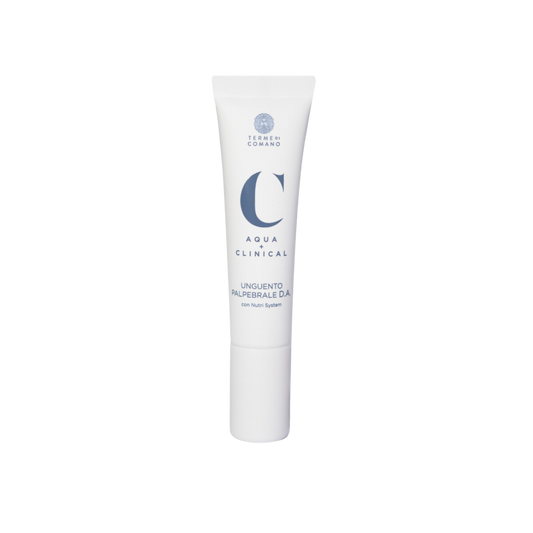
Specific cosmetological treatment formulated for dry, delicate and easily red eyelids.
Its combined action of highly effective nourishing and barrier restorative ingredients makes the product effective in providing relief and responding to the multiple needs of the delicate skin...Find out moreRegular price €19,00Sale price €19,00Unit price / per
Regular price -
Moisturizing Cream - Intense Relief A.D.
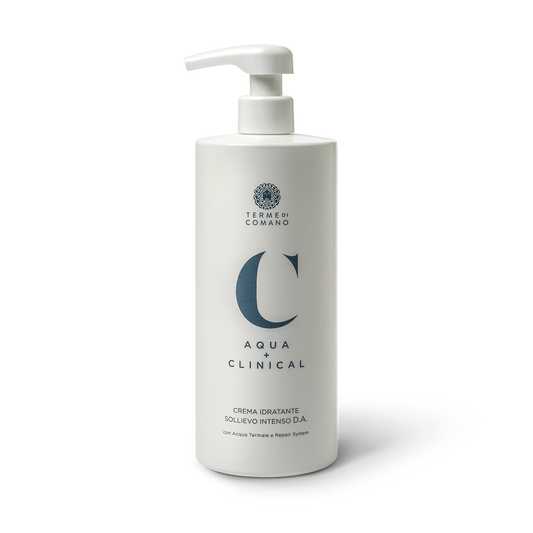
Sensitive skin prone to irritation, atopy, dermatitis
Innovative formula, particularly suitable for dry, very dry and hyper-reactive skin types, and for those who suffer from imperfections linked to dermatitis and eczema which, thanks to the presence of Comano thermal...
Find out moreRegular price From €22,00Sale price From €22,00Unit price / per
Regular price -
Thermal Water Spray
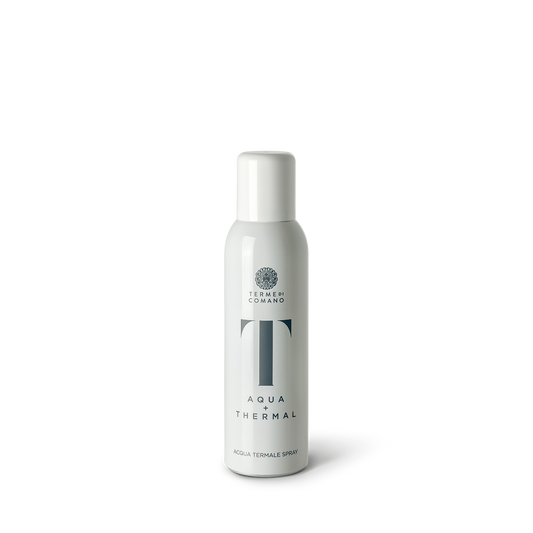
The oligo-thermal water of Comano has a “bicarbonate-calcium-magnesium” composition, a pH close to neutral and can be an effective solution for skin problems of various kinds. Clinical studies and research on cell cultures conducted by prestigious Italian universities have demonstrated...
Find out moreRegular price From €10,00Sale price From €10,00Unit price / per
Regular price