Psoriasi: cos'è, sintomi, cause e trattamenti

Psoriasis: what it is, symptoms, causes, and treatments

| Scritto da Silvia Piccoli

Psoriasis is a chronic, non-contagious inflammatory skin disease that affects millions of people worldwide. Characterized by a chronic course, it alternates between flare-ups and periods of remission, with signs that can vary greatly from person to person and significantly impact quality of life, causing physical and emotional discomfort. At Terme di Comano, we have developed an integrated approach, based on scientific evidence, to manage and alleviate the symptoms of this condition, offering our patients real benefits and improved quality of life.


Caricamento...

What is Psoriasis?

Psoriasis is a chronic inflammatory skin disease, not contagious, characterized by a chronic-recurrent course, alternating between acute phases and periods of remission. It mainly manifests as well-demarcated erythematous patches, covered with whitish or silvery scales, which can appear on various areas of the body such as elbows, knees, scalp, palms of the hands, and the sacral area.

Its etiology is multifactorial, with a strong genetic and immunological component, and can be triggered or exacerbated by external factors such as trauma, infections, stress, and the use of certain medications.

Prevalence varies among populations, affecting approximately 2-3% of the world's population. In Italy, it is estimated that about 3 million people suffer from it. The disease can appear at any age, but in 75% of cases, it appears before the age of 40.

Psoriatic lesions, often associated with itching, can have a significant impact on patients' quality of life, affecting not only physical health but also psychological well-being and social relationships.

Although there is no definitive cure yet, numerous treatments are now available that can control the manifestations and significantly improve the quality of life of affected individuals.

What causes Psoriasis?

It is a multifactorial disease, influenced by a combination of genetic, immunological, and environmental factors. Below are some factors that cause the onset of psoriasis.

Genetic Predisposition

Genetics is one of the main predisposing factors. About one-third of psoriasis patients have a close relative who suffers from the same condition. The disease is linked to numerous defective genes which, in the presence of certain triggers, can induce the appearance of symptoms. Genetic predisposition is particularly relevant in early-onset forms of psoriasis, which manifest before the age of 20.

Environmental Triggers

In addition to genetic predisposition, several environmental factors can trigger or worsen psoriasis:

Physical Trauma: The Koebner phenomenon, also known as isomorphic response, occurs when psoriasis appears after skin trauma or injury, such as wounds, surgery, or burns. Even minor, repeated trauma over time can activate the disease in predisposed individuals.

Infections: Infections, especially streptococcal infections, are often associated with guttate psoriasis, characterized by small, scattered patches over large areas of the body. Other viral infections, such as herpes simplex or herpes zoster, can exacerbate the condition.

Medications: Some medications, such as beta-blockers, lithium, and certain antimalarials, are known to trigger or worsen psoriasis. It is important for patients to report any worsening related to taking new medications to their doctor.

Stress: Physical and psychological stress is a significant trigger. Many patients report a worsening of the disease during periods of high stress, such as bereavement or traumatic events.

Sunburn: Although controlled sun exposure can be beneficial for psoriasis, promoting vitamin D production and reducing lesions, it is always crucial to avoid sunburn. In winter, however, cold and wind tend to further dry and irritate compromised skin, necessitating increased moisturizing and protective support.

Other Contributing Factors

Smoking and Alcohol: Smoking is a known risk factor for psoriasis, especially in some of its forms. Alcohol abuse, which acts as a vasodilator, can also trigger or worsen the disease.

Obesity: Overweight and obesity increase the risk of developing psoriasis and can worsen symptoms. Therefore, maintaining your ideal weight helps to better control the disease.

Diet and Hormonal Changes: A balanced diet can positively influence psoriasis management, while poor eating habits and hormonal changes, such as those related to puberty or menopause, can aggravate the condition.

Clinical manifestations

Psoriasis primarily manifests through characteristic skin lesions that vary in severity and location from person to person. Common symptoms include erythematous papules and plaques, which are red, thickened areas of skin, well-defined and covered with whitish or silvery-gray scales. These lesions can be asymptomatic, but often cause discomfort and itching, with a significant aesthetic impact.

Main Symptoms of Psoriasis

  • Plaques: Psoriatic lesions appear as raised, rounded plaques with well-defined margins. These are generally covered with whitish or silvery-gray scales that can shed easily.
  • Erythema (Redness): Inflammation causes redness of the skin in affected areas, creating a clear contrast with surrounding healthy tissue.
  • Scaling: The scales covering psoriatic plaques tend to detach, leaving the skin dry and flaky. This scaling process is due to the accelerated production of skin cells, which accumulate on the surface.
  • Itching: Itching is a variable symptom that can be mild or, in some cases, very intense. Scratching can worsen the condition, causing further inflammation and, sometimes, secondary infections.
  • Sensation of Tightness: Psoriatic lesions, especially if located in flexural areas such as the elbows or knees, can cause a sensation of skin tightness.
  • Burning: In some cases, the lesions may be accompanied by a burning sensation, making psoriasis not only an aesthetic problem but also a source of physical discomfort.

Common Locations of Lesions

Psoriatic plaques can appear on different parts of the body, but are predominantly concentrated on:

  • Knees and Elbows: These are the most common sites for psoriatic lesions, often exposed to microtraumas that facilitate their appearance.
  • Sacral Region: The lower back is another frequently affected area, where lesions can be particularly bothersome.
  • Hands and Feet: Palmoplantar psoriasis is characterized by lesions that can be painful and interfere with daily activities.
  • Scalp: Scalp psoriasis can extend beyond the hairline, causing scaling and redness.
  • Nails: Nail psoriasis can cause thickening, fragility, and detachment of the nail, compromising its appearance and function.

Course and Seasonal Variations

Psoriasis is a chronic disease with a cyclic course. Patients alternate between periods of remission, where symptoms are minimal or absent, and phases of exacerbation, where lesions can worsen. Often, symptoms tend to improve in the summer months, thanks to sun exposure.

Complications and Impact on Quality of Life

The severity of psoriasis varies considerably: in some cases it can be a relatively mild disorder, while in others it can significantly compromise the quality of life. Visible and persistent plaques can have a significant emotional and psychological impact, leading to problems with self-esteem, anxiety, and depression. For this reason, psoriasis should not be considered only a dermatological problem, but a pathology that requires a multidisciplinary approach.

The Ministry of Health has recognized psoriasis as a social disease, precisely because of its prevalence and the limitations it can impose in the most severe cases, affecting not only the physical health, but also the emotional, relational and metabolic health of patients.

The Different Types of Psoriasis

Psoriasis can manifest in various clinical forms, each with specific characteristics in terms of lesion appearance, location, and associated symptoms. Understanding the different forms of psoriasis is essential for accurate diagnosis and targeted treatment. Let's look at the main types.

  • Plaque Psoriasis or Psoriasis Vulgaris

    Plaque psoriasis, also known as psoriasis vulgaris, is the most common form, accounting for approximately 80% of cases. It is characterized by well-defined, raised, erythematous plaques covered with silvery-white scales. These lesions can vary in size, from a few millimeters to several centimeters, and tend to merge, forming extensive areas of affected skin. The most frequently affected areas are the elbows, knees, scalp, and lower back.

  • Guttate Psoriasis

    Guttate psoriasis primarily affects children and young adults, often after a streptococcal infection, such as pharyngotonsillitis. The lesions are characterized by small, red papules, resembling raindrops (hence the name "guttate"), which appear mainly on the trunk and limbs. This form is less severe than plaque psoriasis but can be widespread. Treatment of the streptococcal infection can be helpful in controlling this form of psoriasis. Guttate psoriasis responds well to phototherapy.

  • Inverse Psoriasis

    Inverse psoriasis affects skin folds, such as the armpits, groin, intergluteal cleft, and inframammary or abdominal folds. The lesions are red, smooth, and shiny, and do not present the typical scaling of plaque psoriasis. This form can be confused with other conditions, such as fungal infections or seborrheic dermatitis, and is difficult to treat due to moisture and friction in the affected areas.

  • Pustular Psoriasis

    Pustular psoriasis can be localized, primarily affecting the hands and feet (palmoplantar pustular psoriasis), or generalized, with pustules appearing over large areas of the body. These pustules, which do not contain bacteria, form in response to skin inflammation and can cause redness, burning, and pain. The generalized form is a serious condition that requires immediate medical attention.

  • Erythrodermic Psoriasis

    Erythrodermic psoriasis is a rare and severe form in which over 80% of the body surface is affected by widespread erythema and intense desquamation. This condition can cause serious complications such as dehydration, hypothermia, and secondary infections, often requiring hospitalization for intensive treatment. It can be triggered by abrupt discontinuation of corticosteroid therapies or by infections.

  • Scalp Psoriasis

    Psoriasis of the scalp is one of the most common manifestations of the disease. It presents as thick, scaly plaques that can extend beyond the hairline, affecting the forehead, neck, and ears. This form can cause intense itching and discomfort, but it is not associated with hair loss. It is often confused with seborrheic dermatitis.

  • Nail Psoriasis

    Psoriasis can also affect fingernails and toenails, causing alterations such as pitting (small, pinpoint depressions), thickening of the nail plate, separation of the nail from the nail bed, and yellowish spots. Psoriatic onychopathy can occur with other forms of psoriasis or as the sole manifestation, and it is often associated with psoriatic arthritis.

  • Psoriatic Arthritis

    Psoriatic arthritis is a form of inflammatory arthritis that affects about 30% of patients with psoriasis. It can affect peripheral joints (hands and feet) or the spine and sacroiliac joints. It manifests with pain, stiffness, and swelling of the joints, and can lead to permanent joint damage if not adequately treated. It is often associated with nail psoriasis and can rarely precede the onset of skin lesions.

  • Other Forms of Psoriasis

    In addition to these main forms, there are less common variants that require personalized specialist dermatological evaluation. The numerous forms of psoriasis demonstrate the importance of accurate diagnosis and targeted treatment.

Diagnosis of Psoriasis

Diagnosis is usually made by a dermatologist during a clinical visit. The doctor carefully evaluates the skin lesions and gathers information about the patient's medical history, such as the presence of relatives affected by the disease and associated symptoms. This approach allows for distinguishing psoriasis from other dermatological conditions with similar manifestations.

In many cases, the diagnosis can be made based on the appearance of the lesions, which are typically characterized by well-demarcated erythematous plaques covered with whitish scales. A distinctive sign of psoriasis is Auspitz's sign, which consists of the appearance of small pinpoint hemorrhages when the skin is scratched and the superficial layer of scales is removed.

In cases where the clinical diagnosis is not clear, the dermatologist may request a skin biopsy, taking a small skin sample for histological examination. This examination allows for ruling out other dermatological conditions and confirming the diagnosis of psoriasis.

Although it is a disease primarily diagnosed clinically, it is important to consult an experienced dermatologist for an accurate assessment, which will allow for identifying the specific type of psoriasis and setting the most appropriate treatment.

How to Treat Psoriasis
There is currently no definitive cure for psoriasis, but several therapeutic options are available that can help control its manifestations and improve the quality of life of affected individuals. The main goal of treatment is to reduce inflammation, slow down the accelerated growth of skin cells, and alleviate itching and scaling.

Topical Treatments

Topical treatments are primarily indicated for milder and more localized forms of psoriasis. They come in the form of creams, lotions, ointments, gels, or foams and are applied directly to skin lesions. Among the most common are:

  • Emollients and moisturizers: Essential for keeping the skin soft and hydrated, they reduce scaling and prevent itching.
  • Keratolytics: Substances like salicylic acid, which help remove superficial scales and facilitate the penetration of topical treatments.
  • Topical corticosteroids: Used to reduce inflammation and itching, they are effective but must be used with caution to avoid side effects such as skin thinning.
  • Vitamin D analogs: Drugs like calcipotriol and calcitriol, which slow down the growth of skin cells and reduce inflammation.
  • Topical retinoids: Such as tazarotene, which help normalize the growth cycle of skin cells.

Systemic Treatments

Systemic treatments are reserved for more severe forms of psoriasis or when topical treatments are not sufficient. These drugs are administered orally or via injections and act systemically to control inflammation and immune system activity. Among the most common are:

  • Methotrexate: A drug that reduces skin cell production and inflammation.
  • Cyclosporine: A powerful immunosuppressant that blocks the abnormal immune response.
  • Systemic retinoids: Such as acitretin, useful in palmoplantar forms of psoriasis.
  • Biologic drugs: These are targeted therapies, obtained through genetic engineering techniques, that act specifically on molecules involved in the inflammatory process of psoriasis. These drugs are particularly effective in severe forms of psoriasis and psoriatic arthritis, but require careful evaluation by a hospital specialist.

Phototherapy, or ultraviolet light therapy, is one of the most effective systemic therapies for psoriasis, especially for plaque forms. It involves exposing the skin to narrow-band UVB rays or UVA rays in combination with psoralens (PUVA therapy). This therapy helps slow down the growth of skin cells and reduces inflammation.

Phototherapy can be conveniently performed at Terme di Comano after a thermal bath, when the skin is still wet and retains the mineral salts present in the thermal water. This method allows for amplification of the effects of phototherapy applications, compared to their application on dry skin. The added benefit of performing phototherapy at Terme di Comano is the ability to undergo multiple sessions over a period of 9-12 consecutive days without interruption.

Stress Management and Lifestyle

In addition to medical treatments, stress management and an adequate lifestyle can help improve psoriasis. Practicing relaxation techniques, maintaining a balanced diet, and engaging in regular physical exercise are all factors that can reduce inflammation and prevent disease flare-ups.

The choice of psoriasis treatment also depends on the severity of the disease, the extent of the lesions, concomitant diseases, or other therapies. It is essential to follow the dermatologist's instructions and adapt the treatment over time to keep the disease under control and prevent complications. By adopting a personalized therapeutic strategy and a holistic approach to well-being, it is possible to significantly improve the quality of life for people affected by psoriasis.

Natural Treatments: The Spa and the Comano Method
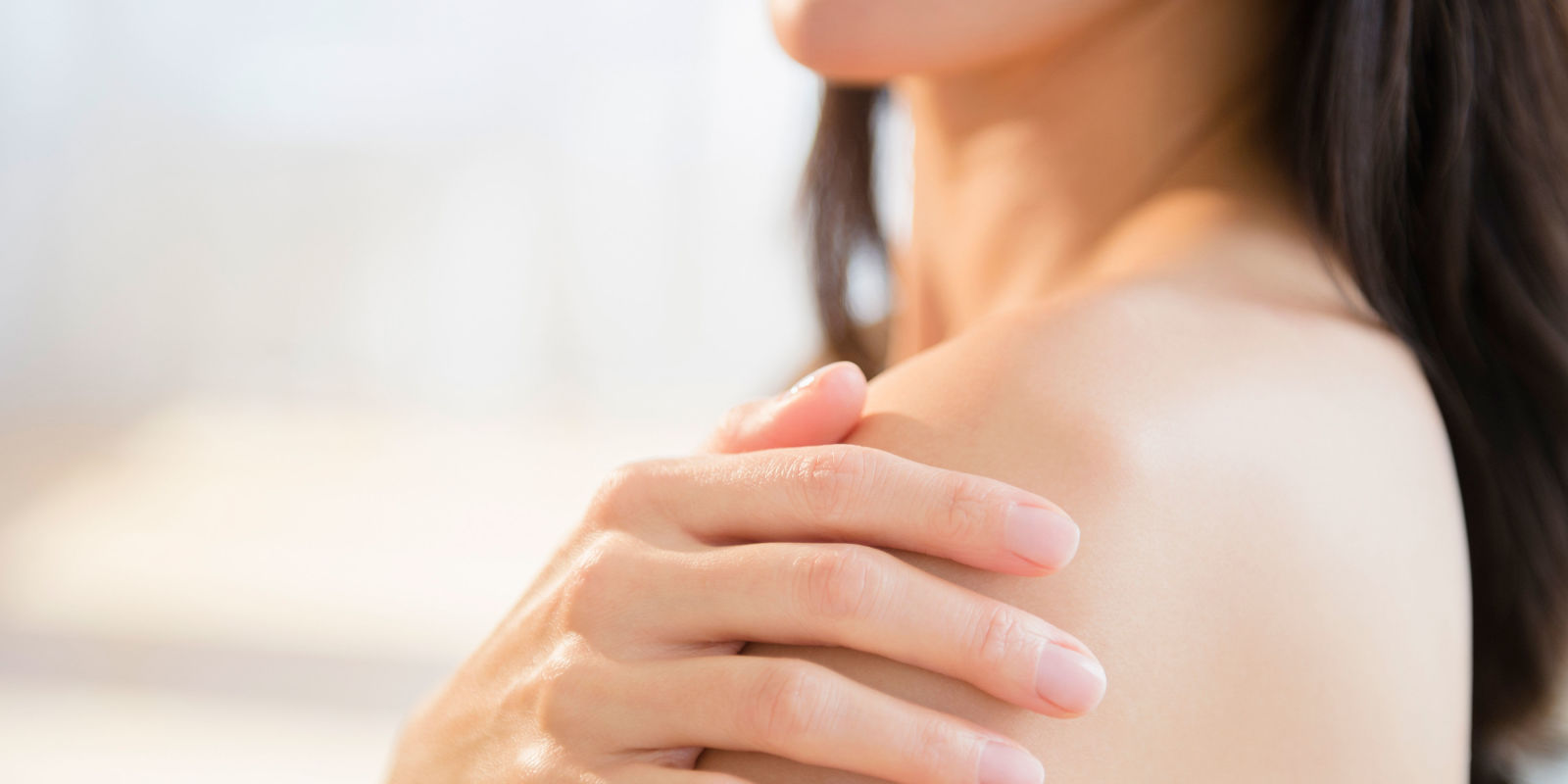
In addition to pharmacological treatments, spa therapies can offer valuable support for patients suffering from psoriasis, helping to improve general well-being and reduce the symptoms of the disease. At Terme di Comano, the Comano Method represents one of the most effective solutions for the treatment of psoriasis, thanks to the unique properties of the thermal water and a personalized therapeutic program.

Balneotherapy and Spa Treatments

Balneotherapy, or thermal baths, is a consolidated and scientifically proven practice at Terme di Comano, known for its beneficial effects on the skin. The thermal water of Comano has extraordinary anti-inflammatory, soothing, and moisturizing properties, which help reduce erythema, flaking, and itching, promoting skin regeneration. Thanks to its unique composition and the virtue of its Mesorhizobium Comanense microbiota, this water acts gently on skin affected by psoriasis, improving its hydration and well-being.

Skin Microbiota and Psoriasis: The Importance of Research

Our G.B. Mattei Research Institute, in collaboration with CIBIO of the University of Trento and other important Italian institutions, conducts in-depth studies on the microbiota of thermal water and its therapeutic effects. Recent research has shown that thermal baths, combined with phototherapy, help rebalance the skin microbiota, altered by psoriasis. This integrated approach improves the skin's response to treatments and reduces the symptoms of the disease. Read the full article here.

The Psoriasis Program: Immerse Yourself in Your New Skin

Psoriasis brings with it numerous daily difficulties, which is why Terme di Comano has developed the Psoriasis Program, a specific therapeutic path that combines the healing power of thermal water with the support of our specialists. The program provides for a stay of at least 9 days, with 12 days being the recommended duration, during which patients can follow a complete treatment protocol that includes thermal baths, topical treatments, and phototherapy. This path not only alleviates symptoms but also helps prolong remission periods and significantly improve the quality of life.

The Benefits of the Comano Method

Among the main advantages of thermal treatment for psoriasis are:

  1. Reduction of irritation and erythema: thermal water reduces skin inflammation and redness, providing immediate relief.
  2. Prolongation of remission times: thanks to the unique properties of the water and the personalized therapeutic program, patients can experience long periods without flare-ups.
  3. Long-lasting effects: the benefits of treatments at Terme di Comano are maintained over time, even after completing the cycle of treatments, significantly improving the quality of life of patients.

A Complete Treatment Path

The Psoriasis Program of Terme di Comano is not limited to balneotherapy alone, but offers an integrated approach consisting of specific treatments, patient education, and psychological support. This treatment path is distinguished by the absence of significant side effects, making it an ideal choice for those who wish to take care of themselves from all points of view.

Discover the full program here.

N.B.: The information contained on this page should in no way replace the doctor-patient relationship; on the contrary, it is recommended to seek the advice of your doctor before putting into practice any advice or indication reported.

Comano Terme Cosmeceutical Solutions for Psoriasis

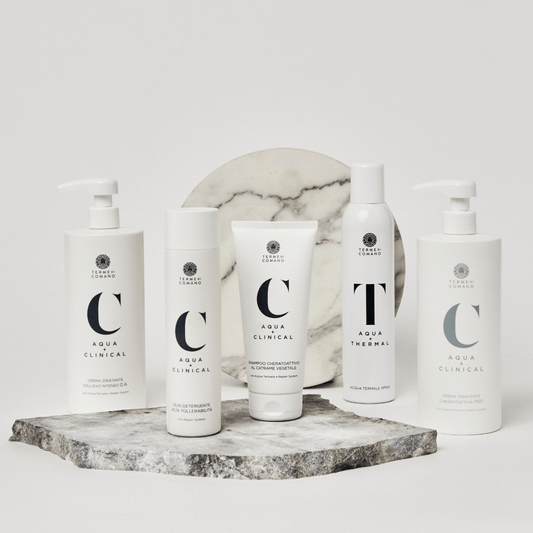
For mild to moderate forms of psoriasis, the use of emollient and keratolytic creams is a valuable ally in soothing redness, reducing flaking, and improving skin quality. The cosmeceutical solutions developed by Terme di Comano combine the unique properties of Thermal Water with functional and highly effective ingredients, offering specific support for psoriasis-affected skin.

Discover all our products formulated to treat Psoriasis here.

  • High Tolerance Cleansing Oil Face&Body

    This cleansing oil is formulated to respect the skin's natural balance, ensuring a delicate and non-aggressive cleanse. Upon contact with water, it transforms into a soft emulsion that cleanses without drying, keeping the skin hydrated and soft.

    Face & Body Cleansing Oil
  • Thermal Water Spray - Terme di Comano Skincare

    Thermal Water Spray is an essential treatment for those suffering from psoriasis. Packaged directly at the source, this pure water, rich in mineral salts such as calcium, magnesium, and bicarbonate, offers immediate relief to irritated and itchy skin. Thanks to its soothing and hydrating properties, it can be used daily to refresh and calm the skin, especially during flare-ups, helping to reduce inflammation and promote epidermal regeneration.

    Thermal Water Spray
  • PSO Keratoactive Moisturizing Body Cream

    This cream has been developed to support thick, hyperkeratotic body skin affected by blemishes caused by psoriasis, and is specifically designed for large areas of the body. The formula, enriched with Comano Thermal Water and the essential lipid complex of the Repair System, offers an emollient and soothing action, helping to reduce itching and restore the skin's barrier function.

    Keratoactive Moisturizing Cream
  • PSO Keratoactive Nourishing Body Cream

    Designed for hyperkeratotic and psoriatic-prone skin, this cream offers a nourishing action thanks to the combination of Comano Thermal Water, essential lipids from the Repair System, and stabilized urea. These ingredients work synergistically to normalize cell renewal processes, reduce itching and irritation, and restore the skin's hydrolipidic film. The nourishing cream is recommended for localized areas with thickening and roughness (arms, elbows, legs).

    Cleansing Oil
  • PSO Keratoactive Ointment

    The new soft ointment designed for hyperkeratotic skin prone to imperfections caused by psoriasis. Its formula is enriched with Comano Thermal Water, softening-nourishing ingredients, and succinic acid to help reduce skin thickening. The new ointment helps to alleviate the itching and redness typical of hyperkeratotic and desquamative conditions.

    PSO Keratoactive Ointment
  • Beeswax Ointment

    This emollient and nourishing ointment is ideal for relieving symptoms related to itching and irritation. Its natural formulation creates a protective film on the skin, promoting the skin regeneration process and protecting the skin from dehydration.

    Beeswax Ointment
  • Vegetable Tar Keratoactive Shampoo

    For those with a flaky scalp and dandruff problems, Vegetable Tar Keratoactive Shampoo offers a deep and soothing wash. Thanks to plant-based detergents and juniper tar, it reduces flaking and normalizes sebum secretion.

    Keratoactive Shampoo
  • Daily Routine Psoriasis

    This complete set is designed to provide protection, nourishment, and relief for hyperkeratotic and psoriasis-prone skin. It includes Thermal Water Spray, High Tolerability Cleansing Oil, PSO Keratoactive Moisturizing Cream, Intensive Relief Moisturizing Cream D.A., and Keratoactive Vegetable Tar Shampoo, offering a complete and targeted beauty routine for daily skin care.

    Daily Routine Psoriasis
  • New: PSOBALANCE PRO

    An intensive action formula dedicated to psoriatic skin with inflammation and thickening.

    Available from October 29th in our online shop, PSOBALANCE PRO is an innovative cream designed to meet the needs of psoriatic skin. Its exclusive formula, the result of 10 years of research, includes Lysacom Biome, a revolutionary active ingredient extracted directly from Comano Thermal Water with soothing and softening properties. The new cream is specifically developed to help reduce redness, normalize the skin renewal process, and rebalance the lipid component, acting on thickening and itching, improving the skin's appearance, and providing immediate comfort and relief.

    Psobalance PRO

Psoriasis: Frequently Asked Questions

Psoriasis is a complex and often misunderstood disease, which can raise many questions. To help clarify the most common doubts, our experts answer frequently asked questions and offer practical advice to better manage this condition.

  1. Is Psoriasis Contagious?
    No, psoriasis is not a contagious disease. It cannot be transmitted through physical contact, sharing objects, or other means. It is a condition caused by genetic and environmental factors, which can be aggravated by stress, physical trauma, or infections.
  2. Which Areas Are Most Affected by Psoriasis?
    Psoriasis can manifest in different areas of the body:
    Scalp Psoriasis: causes plaques and scaling, often confused with dandruff.
    Plantar and Palmar Psoriasis: lesions characterized by erythema and scaling on hands and feet.
    Elbow Psoriasis: appears with symmetrical and well-defined plaques.
    Leg Psoriasis: irregular and itchy lesions.
    Facial Psoriasis: affects eyebrows, the area between the nose and upper lip, and the hairline.
    Nail Psoriasis: distorts the nails, which appear brittle and discolored.
  3. At What Age Does Psoriasis Manifest?
    Psoriasis can appear at any age, but typically presents between 15 and 30 years old. In children, it is less common but can still occur.
  4. Can Psoriasis Affect Children?
    Children can also be affected by psoriasis, often due to a genetic predisposition combined with environmental factors. The most common forms in younger children are guttate, inverse, and plaque psoriasis, with lesions appearing on the same typical areas as adults. In infants, itching is less frequent, but symptoms can include redness, scales, burning, and pain.
  5. What Precautions Can Help Manage Psoriasis?
    For those suffering from psoriasis, it is essential to:
    - Keep the skin hydrated with proper cleansing and the use of specific creams, reducing contact with irritating substances.
    - Follow a balanced diet and a healthy lifestyle, limiting alcohol and smoking.
    - Reduce stress through relaxing activities, such as yoga or meditation.
    - Avoid skin trauma and use delicate products for skin cleansing.

For further personalized advice, it is always recommended to consult a dermatologist, who will be able to indicate the most suitable therapy based on the severity and type of psoriasis.

Conclusion

Psoriasis is a complex and chronic disease that requires an integrated approach to manage its symptoms and improve quality of life. Although there is no definitive cure, today there are multiple treatments available that, combined with a balanced lifestyle and attention to triggers, can help keep the condition under control.

At Terme di Comano, the use of thermal water combined with the other elements of the Comano Method represents a valid alternative and complementary support to traditional pharmacological treatments. Our experience and constant commitment to research allow us to offer effective and safe solutions for those living with psoriasis, ensuring a personalized and natural approach.

It is important to remember that, with the right support and adequate care, a good quality of life can be maintained even with psoriasis.

1 of 2