
Dermatite Atopica: Cos’è, Sintomi, Cause e Trattamenti Naturali

Atopic Dermatitis: What It Is, Symptoms, Causes, and Natural Treatments

| Scritto da Ilaria Zanfranceschi


On the occasion of World Atopic Dermatitis Day, celebrated on September 14th, it is important to raise awareness and inform about this skin condition that affects millions of people worldwide.

Considered one of the most common chronic inflammatory skin diseases, atopic dermatitis can have a significant impact on the quality of life of those who suffer from it, manifesting with symptoms ranging from intense itching to skin lesions that can cause physical and emotional discomfort.

At Terme di Comano, we have always been committed to the treatment of atopic dermatitis, offering natural and effective solutions to alleviate symptoms and improve the general well-being of our guests. In this article, we will explore the causes, symptoms, and available treatments for this condition, highlighting the importance of spa treatments as an integral part of the therapeutic journey.


Caricamento...

What is atopic dermatitis?

Atopic dermatitis, also known as atopic eczema, is a chronic inflammatory skin condition characterized by symptoms such as intense itching, redness, dryness, and skin lesions.

This condition can affect people of all ages, from infants to adults, and has a significant impact on the quality of life of those who suffer from it.

In young children, it tends to manifest on the face and extensor surfaces of the limbs, while in older children it is more common in flexural areas such as the creases of the elbows and behind the knees.

In adults, however, it tends to appear on the face and hands. In addition to skin manifestations, it is often associated with other atopic conditions such as asthma and allergic rhinitis.
The pathogenesis of atopic dermatitis is complex and involves a combination of genetic factors, immunological dysfunctions, alterations in the skin barrier, and environmental influences. Itching, which is one of the main symptoms, can be so intense that it disturbs sleep and interferes with normal daily activities, reducing concentration at school or work.

This disease is characterized by a chronic-recurrent course, with periods of remission that can alternate with flare-ups, especially during winter or in stressful situations. Although atopic dermatitis can regress with age, especially after puberty, a significant percentage of people continue to suffer from it into adulthood, often with a persistent form.

Atopic Dermatitis in Children and Adults
Atopic dermatitis manifests differently in children and adults, affecting specific body areas depending on age and skin characteristics.

Atopic dermatitis in children

During early childhood, up to 2 years of age, lesions tend to appear mainly on the face, involving the cheeks, forehead, and scalp. This phase is characterized by widespread redness and dryness, which can cause intense itching.

Over time, from 2 to 12 years of age, the lesions move to other areas of the body, such as the eyelids, behind the ears, and around the lips, where they can cause small fissures and cuts, especially in the fold under the ear, at the corners of the mouth, or in the creases of the elbows and knees. These excoriations are often exacerbated by scratching, a common behavior in children affected by atopic dermatitis.
Fortunately, in some cases it regresses with puberty, when the immune system is fully settled.

Atopic dermatitis in adults

In adults, atopic dermatitis tends to manifest with thicker, drier, and scaling lesions, often accompanied by intense itching. The most affected areas include the face, neck folds, limbs, décolletage, nape, elbows, back of the hands and feet, as well as the genitals. The skin in these areas progressively becomes drier, tending to scale and causing severe itching that can significantly impact quality of life, even disturbing sleep. In the chronic phase, the skin can thicken (lichenification) and present dry, scaly patches, with signs of excoriation due to scratching.

In many cases, atopic dermatitis is associated with contact dermatitis, particularly on the hands, which can be irritant or allergic in nature, often related to exposure to substances used in the workplace such as solvents, detergents, disinfectants, and nickel.
A variant of atopic dermatitis is nummular eczema, a form of inflammation characterized by well-defined circular lesions a few centimeters in diameter, covered with scales and crusts. These lesions are extremely itchy and often associated with superinfections and resistance to therapies.

Beyond physical discomfort, the aesthetic aspect of the condition can further exacerbate psychological distress

Symptoms of atopic dermatitis

Atopic dermatitis manifests through a series of distinctive skin symptoms that can vary in intensity and distribution depending on age and the severity of the condition.

While more common in childhood, typically appearing in the first few months of life, atopic dermatitis can persist or even manifest in adulthood, negatively impacting quality of life.
The primary and most bothersome symptom is intense itching, which often precedes the appearance of skin lesions. The itching can be so severe that it disturbs sleep and causes discomfort during the day, often leading the patient to scratch repeatedly, which can further aggravate the lesions.

Characteristic skin lesions include:

  • Red patches: areas of the skin that appear inflamed and red.
  • Dry skin (xerosis): the affected skin appears dry, rough, and may flake.
  • Vesicles: small fluid-filled blisters that can rupture, leading to the formation of scabs.
  • Excoriations: lesions caused by continuous scratching, which can become infected and lead to further complications, such as bacterial superinfections, from Staphylococcus aureus.
  • Lichenification: thickening of the skin due to chronic scratching, which gives the skin a leathery appearance.

The symptoms of atopic dermatitis tend to worsen with certain triggers, including:

  • Exposure to rough fabrics like wool.
  • Excessive sweating.
  • Use of harsh soaps.
  • Emotional stress.

Causes of Atopic Dermatitis

Atopic dermatitis is a complex and multifactorial condition that develops due to the interaction of various genetic, immunological, and environmental factors.

  • Genetic Factors

    One of the main causes is genetic predisposition. In about half of the cases, the disease is present in individuals with a family history of atopic diseases, such as asthma, allergic rhinitis, or allergic conjunctivitis.

    This link is particularly evident in identical twins, where the probability of both developing the condition is very high. Furthermore, a mutation in the gene responsible for producing the protein filaggrin, which is essential for the skin's barrier function, has been identified as a predisposing factor.

    This mutation compromises the skin's ability to retain moisture and protect itself from external agents, increasing susceptibility to atopic dermatitis and other atopic conditions.

  • Skin barrier dysfunction

    The skin of individuals with atopic dermatitis exhibits an impaired barrier function, making the epidermis more vulnerable to water loss and the penetration of irritants, allergens, and microorganisms.

    This dysfunction leads to chronic dryness (xerosis) and increased skin sensitivity, manifesting as intense itching.

    Impairment of the skin barrier is a central element in the development of atopic dermatitis, as it facilitates the entry of irritants and allergens, triggering an inflammatory response.

  • Immunological factors

    The immune system plays a crucial role in the pathogenesis of atopic dermatitis.

    In affected patients, the immune system responds abnormally to various stimuli, releasing inflammatory substances that cause the typical symptoms of the disease, such as redness, itching, and scaling.

    This excessive immune response is often mediated by type 2 T-helper cells (Th2), which contribute to skin inflammation and increase the production of IgE, the antibodies involved in allergic reactions.

  • Environmental Factors

    Environmental factors can trigger or worsen atopic dermatitis in predisposed individuals. Factors such as seasonal changes, cold weather, exposure to irritants (such as harsh detergents, dust, synthetic or wool fabrics), and environmental pollution are all known to trigger or exacerbate the condition. Furthermore, psychophysical stress can contribute to flare-ups of atopic dermatitis, demonstrating the importance of mental well-being in managing the disease.

  • Food Allergens

    Contrary to popular belief, food allergies are not a direct cause of atopic dermatitis. Although some patients may notice a worsening of symptoms after eating certain foods, the link between food allergies and atopic dermatitis is rare. Elimination diets, especially in children, are generally not recommended, as they can be ineffective or even harmful.
    Atopic dermatitis is therefore the result of a complex interaction between genetic factors, alterations in the skin barrier, abnormal immunological responses, and environmental influences. Understanding these causes is fundamental for effective management of the disease and for preventing flare-ups.

Diagnosis of Atopic Dermatitis

The diagnosis of this chronic condition is primarily clinical. Affected patients often have a family history of atopic diseases such as allergic rhinoconjunctivitis or asthma, which can provide useful clues during evaluation.


This type of dermatitis can be difficult to distinguish from other skin conditions such as seborrheic dermatitis, psoriasis, contact dermatitis, scabies, and ichthyosis. For example, psoriasis tends to present with thick, well-demarcated, scaly plaques, typically located on extensor rather than flexor surfaces, and may include nail signs not common in atopic dermatitis.

Seborrheic dermatitis, on the other hand, frequently affects the face, particularly the nasolabial folds, eyebrows, and scalp.

Erythroderma, a severe form of atopic dermatitis, can be very difficult to distinguish from other causes of erythroderma, underscoring the importance of accurate differential diagnosis.

A thorough examination by a dermatology specialist is crucial to rule out other skin conditions and confirm the diagnosis of atopic dermatitis.

How Atopic Dermatitis is Treated

Atopic dermatitis manifests in two main phases.

The first is the sensitization phase, where the skin barrier becomes less protective, allowing environmental allergens to penetrate the skin more easily.

This vulnerability leads to the second phase, the expression phase, where skin inflammation becomes evident and symptoms such as itching and lesions appear.

Even during periods of remission, when the skin appears calmer, inflammation indices remain active in the epidermis, ready to trigger new flare-ups when they exceed a certain threshold.

Regardless of age, managing atopic dermatitis requires adopting specific measures to alleviate symptoms and prevent exacerbations.

It is essential to use gentle cleansers and emollient products that help keep the skin hydrated and protected. Furthermore, following prescribed therapies is crucial for controlling the disease and improving the quality of life of patients affected by atopic dermatitis.

Management and Therapies
Atopic dermatitis is a chronic disease for which there is no definitive cure. However, several therapeutic options can help manage symptoms and improve patients' quality of life, both in the acute phase and during periods of remission.

Pharmacological Treatments
First-line treatment involves the application of topical corticosteroids, which are powerful anti-inflammatory agents. These medications, available as creams, ointments, gels, or lotions, help reduce inflammation and itching. In addition to corticosteroids, topical immunomodulators such as tacrolimus and pimecrolimus can be used, which modulate the local immune response without the side effects associated with corticosteroids.
In more severe forms, involving extensive skin areas, systemic therapies may be necessary. Systemic immunosuppressants, such as cyclosporine, are often used to control inflammation. Recently, new biological treatments, such as the monoclonal antibodies dupilumab and tralokinumab, have shown efficacy in reducing symptoms and improving the quality of life in patients with severe atopic dermatitis. Furthermore, new Janus kinase (JAK) inhibitor drugs, such as baricitinib and upadacitinib, promise to offer additional therapeutic options.

Supportive Therapies and Itch Management

Phototherapy, particularly the use of narrow-band ultraviolet B (UVB) rays, represents another therapeutic option for patients with moderate or severe atopic dermatitis. Phototherapy helps reduce inflammation and improve the skin barrier, making it an effective treatment for many patients.

The Importance of Emollients
Regular application of emollients is an essential part of managing atopic dermatitis, both in the acute phase and during remission. Emollients help restore the skin barrier, reducing dryness and itching. These products should be applied daily all over the body to keep the skin hydrated and prevent flare-ups. It is important to choose emollients that do not contain fragrances or other potentially irritating ingredients.

Natural Treatments: Thermal Baths and the Comano Method

In addition to pharmacological treatments, natural therapies exist that can offer relief to patients suffering from atopic dermatitis.

Balneotherapy with Comano thermal water represents a therapeutic opportunity with no absolute contraindications.

Terme di Comano is at the forefront of scientific research, being the leading thermal center for investment in research. The G.B. Mattei research institute, in collaboration with prestigious universities such as Trento and Pavia, has conducted in-depth studies on the microbiota of Comano thermal water, revealing the presence of previously unknown microbes that are responsible for its powerful anti-inflammatory effect.

Studies conducted on Comano thermal cures, dating back almost a century, confirm that thermal therapy is not an alternative to traditional therapies, but a scientifically validated practice. This therapy, in fact, is able to provide documented clinical improvements, with practically non-existent side effects, and can be successfully used in combination with traditional therapies or as a standalone treatment. Recent research has also shown that the water from Terme di Comano is able to restore the physiological balance of skin affected by atopic dermatitis and psoriasis, thanks to its anti-inflammatory, soothing, hydrating, and regenerating action.


A central element of the Comano Method is the protocol for applying thermal water combined with the use of specific emollients
. This protocol involves regular thermal baths to benefit from the water's healing properties, followed by the application of emollient products based on Comano thermal water. This integrated approach optimizes the effectiveness of the treatment, improving skin hydration, reducing inflammation, and strengthening the skin's protective barrier.

Find out more about our treatment pathways for adults and children here.

In conclusion, the management of atopic dermatitis requires an integrated approach that combines pharmacological treatments, supportive therapies, and natural methods. The goal is to reduce symptoms, prevent flare-ups, and improve the quality of life for patients, offering them various therapeutic options tailored to their specific needs.

N.B.: The information contained on this page should in no way replace the doctor-patient relationship; on the contrary, it is recommended to seek your doctor's opinion before implementing any advice or indication reported.

How to Prevent Atopic Dermatitis Recurrences: Useful Tips

Preventing recurrence of atopic dermatitis is essential to reduce the frequency of flare-ups and maintain the skin in an optimal state of health. Following some daily precautions can make a difference in keeping skin hydrated, protected, and less susceptible to the disease's attacks.

  • Avoid overly long and frequent baths and washes: although proper hygiene is important, excessive and prolonged washing can remove the skin's protective layers, aggravating its dryness and vulnerability. It is advisable to limit the duration of baths and use lukewarm water, avoiding excessively high temperatures. Furthermore, it is essential to use delicate, preferably soap-free cleansers with a physiological pH, to avoid further irritating the skin.
  • Gently dry the skin: after bathing, it is important not to rub the skin with a towel, but to gently pat it to remove excess moisture. This helps prevent further irritation and maintain the skin barrier intact.
  • Use natural fabric clothing: wearing clothes made of cotton or other natural fibers can help prevent skin irritation, as these materials allow the skin to breathe. Synthetic fabrics or wool, on the other hand, can worsen symptoms, causing itching and irritation.
  • Hydrate the skin regularly: daily application of moisturizing - emollient - soothing creams is crucial to keep the skin elastic and hydrated. Emollients should be applied after every bath and several times a day, to strengthen the skin barrier and prevent dryness and irritation.
  • Expose to the sun carefully: although the sun can have a beneficial effect for some patients, it is important to expose oneself in moderation and always use specific sunscreens for sensitive skin. Avoiding prolonged exposure during the hottest hours and applying adequate sun protection can help prevent skin damage and maintain disease control.

How to prevent the risk of recurrence

  • Cosmetic products containing allergens: It is essential to carefully read the labels of skin care products, avoiding creams and perfumes that contain potentially allergenic ingredients such as nickel, artificial fragrances, or preservatives. These can aggravate atopic dermatitis and cause unwanted skin reactions.
  • Overly aggressive detergents: The use of aggressive detergents can compromise the skin barrier, increasing dryness and irritation. It is preferable to choose gentle cleansers specifically formulated for sensitive skin to avoid aggravating the condition of skin affected by atopic dermatitis.
  • Foods that can trigger reactions: Although food allergies are not the direct cause of atopic dermatitis, some foods like strawberries, raw tomatoes, seafood, and histamine-rich foods can worsen symptoms in some individuals. However, any targeted diet should only be undertaken under medical advice and after specific tests.

By adopting these simple daily precautions, it is possible to reduce the impact of atopic dermatitis and improve the quality of life for those who suffer from it.

Terme di Comano Cosmeceutical Solutions for Atopic Dermatitis

The Terme di Comano represent a benchmark in the treatment of atopic dermatitis, offering a comprehensive range of natural and cosmeceutical solutions specifically formulated to alleviate symptoms and improve patients' quality of life.

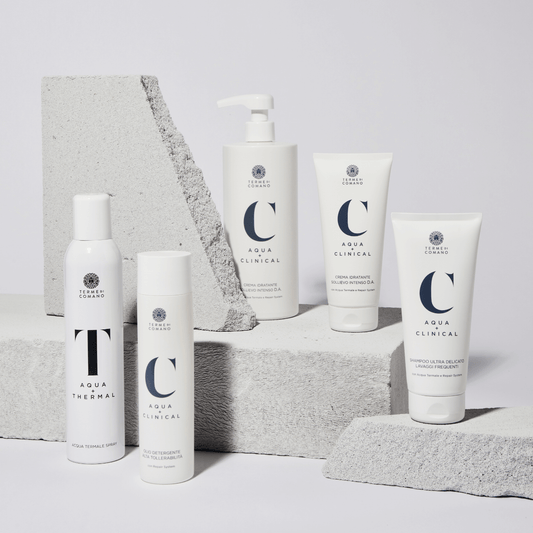
Among these are the products from the AQUA+CLINICAL line, whose effectiveness lies in Comano Thermal Water, known for its soothing, hydrating, and regenerating properties, which work synergistically with advanced formulations such as the Repair System.

This complex, consisting of a blend of essential lipids, hydrates and nourishes the skin, promoting the protection of the hydrolipidic film. Furthermore, it effectively acts on the main causes responsible for redness and itching, providing freshness and relief.

Within this line, you will find a selection of products specially formulated to meet the needs of the most delicate and sensitive skin, ensuring a complete and targeted treatment.

  • Thermal Water Spray

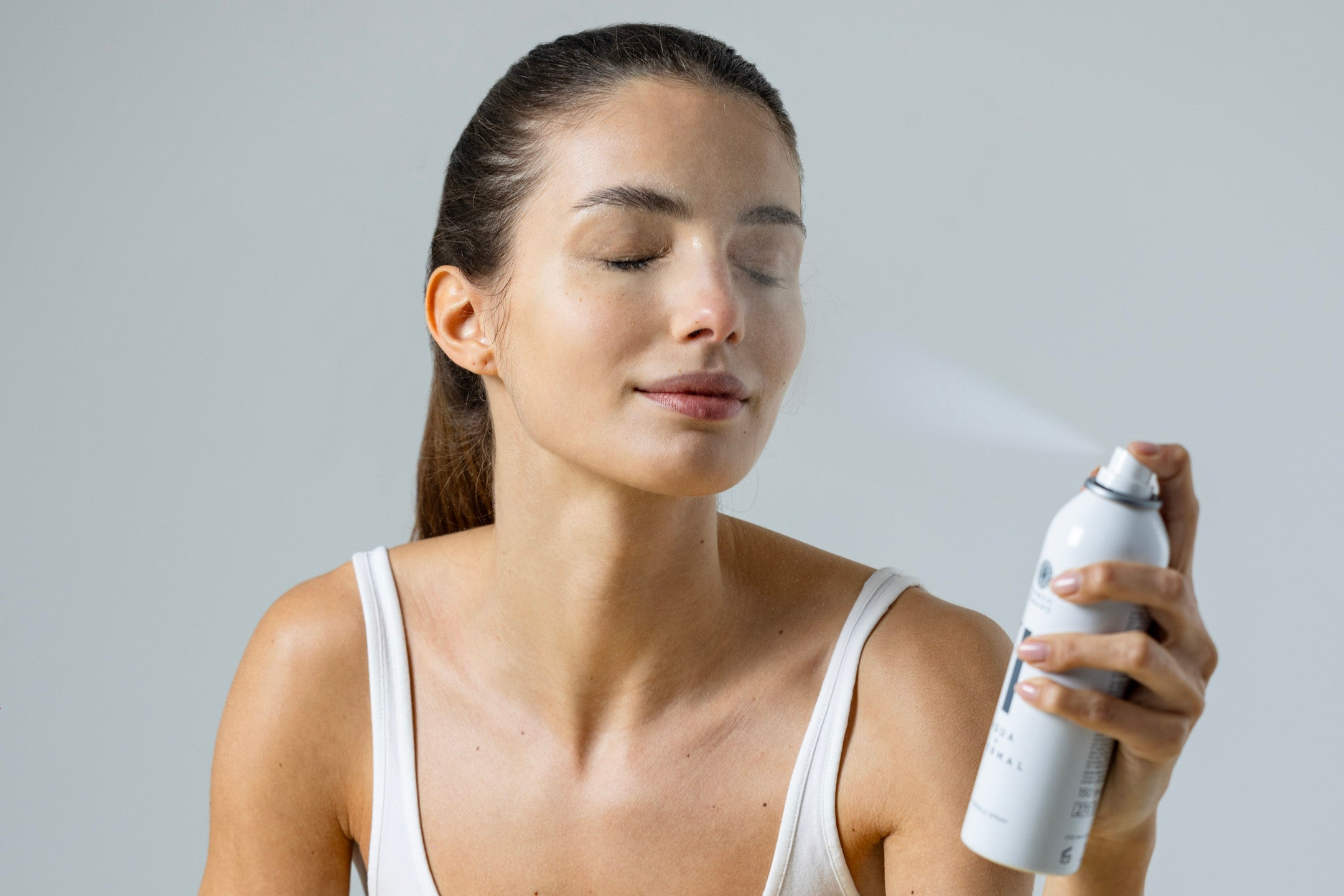
    Thermal Water Spray is an essential treatment for those suffering from atopic dermatitis. Packaged directly at the source, this pure water, rich in mineral salts such as calcium, magnesium, and bicarbonate, offers immediate relief to irritated and itchy skin. It can be used daily to refresh, soothe, and hydrate the skin, especially during flare-ups, helping to reduce inflammation and promote epidermal regeneration. Ideal after cleansing, as a makeup setting spray, or simply to refresh the skin throughout the day.

    Thermal Water Spray
  • D.A. Intense Relief Moisturizing Cream

    This cream is specifically formulated for dry, sensitive, and atopic-prone skin. Thanks to the combination of Comano Thermal Water and the Repair System, it deeply moisturizes and nourishes the skin, protecting the hydrolipidic film and reducing redness and itching. It is ideal for daily use, both during acute phases and remission, to keep the skin hydrated and prevent flare-ups.

    D.A. Intense Relief Moisturizing Cream
  • D.A. Intensive Relief Nourishing Cream

    For very dry and hyper-reactive skin, this rich and soft cream offers an intensive treatment that strengthens the skin barrier and improves the skin's resistance to external aggressions. It reduces redness and irritation, providing lasting relief.

    Intense relief nourishing cream D.A.
  • High-tolerance cleansing oil face & body

    The High-Tolerance Cleansing Oil is designed to gently cleanse the skin without altering its natural balance. Upon contact with water, it forms a soft emulsion that respects the skin barrier, keeping the skin hydrated and soft. It is particularly suitable for atopic skin, which requires gentle and non-aggressive cleansing.

    High-Tolerance Cleansing Oil
  • Ultra-delicate shampoo frequent use

    Specifically formulated for those with dry, sensitive, and irritation-prone scalps, the Ultra Gentle Shampoo cleanses and soothes, reducing irritating manifestations such as dermatitis, dandruff, and itching. The synergy between plant-derived surfactants and Comano Thermal Water restores scalp balance, providing softness and resilience.

    Ultra-delicate shampoo for frequent use
  • Beeswax Ointment

    This emollient and nourishing ointment is ideal for alleviating symptoms related to itching and irritation. Its natural formulation creates a protective film on the skin, promoting the skin regeneration process and protecting the skin from dehydration.

    Beeswax Ointment
  • D.A. Eyelid Ointment

    Specific treatment for dry and delicate eyelids,
    ideal for soothing the sensation of "tight skin" and itching.
    This ointment, thanks to the combination of highly nourishing and
    restorative ingredients, protects and soothes the delicate eyelid area,
    promoting the beauty and well-being of the most sensitive skin.

    D.A. Eyelid Ointment

Daily routine for atopic skin

For complete daily care, Terme di Comano's Atopy Daily Routine offers a selection of products designed for sensitive and atopy-prone skin. This kit includes Thermal Water Spray, High Tolerability Cleansing Oil, Intense Relief Moisturizing Cream D.A., Intense Relief Nourishing Cream D.A., and Ultra-Delicate Frequent Wash Shampoo. These products, used together, provide a daily routine that protects, nourishes, and soothes atopic skin, improving its well-being and appearance.

Specific Products for Children

  • D.A. Delicate Moisturizing Cream

    D.A. Delicate Moisturizing Cream has been formulated with particular attention to the needs of sensitive and delicate skin in children, especially those affected by dermatitis and atopy. This soft cream acts as an emollient, reducing redness and itching, and giving the skin an immediate feeling of freshness and relief. Thanks to its composition, it is ideal for daily use, ensuring continuous protection and deep hydration

    D.A. Delicate Moisturizing Cream
  • Delicate Skin and Hair Cleanser

    gel specifically designed for the sensitive skin and scalp of children. Its action gently cleanses without altering the skin's natural balance, keeping the skin's protective barrier intact

    Delicate Skin and Hair Cleanser
  • Baby routine

    The High-Tolerance Cleansing Oil is designed to gently cleanse the skin without altering its natural balance. Upon contact with water, it forms a soft emulsion that respects the skin barrier, keeping the skin hydrated and soft. It is particularly suitable for atopic skin, which requires a gentle and non-aggressive cleansing

    Baby routine

Atopic dermatitis: advice from our experts

Atopic dermatitis is a condition that can raise many questions and concerns, especially for those experiencing it for the first time. To help you better understand this pathology and manage it as effectively as possible, our experts answer the most frequently asked questions. From diagnosis to treatments, and advice for improving quality of life, here you will find all the necessary information to face atopic dermatitis with serenity.

  1. How is atopic dermatitis recognized?
    Atopic dermatitis manifests as red patches on dry, itchy skin, often located in specific areas of the body such as the face, elbow and knee creases, and behind the ears. In children, it primarily affects the convex areas of the body, while in adults it tends to appear on visible areas such as the neck, décolleté, and face. Diagnosis is usually clinical, based on observation of symptoms and the patient's history.
  2. Can it be considered a psychosomatic illness?
    Atopic dermatitis is not a psychosomatic illness, but stress and anxiety can worsen itching and make the condition more difficult to manage, especially in children. Young patients, often intelligent, emotional, and sensitive, can be affected by parental anxiety, which can contribute, even unknowingly, to a worsening of symptoms.
  3. Is it a serious illness?
    No, atopic dermatitis is not serious, but it is chronic and can be bothersome. It is not infectious or contagious and tends to regress over time without leaving scars. However, proper management is important to prevent complications.
    How is it diagnosed?
    The diagnosis of atopic dermatitis is primarily clinical and often straightforward. In some cases, such as severe forms or those resistant to therapies, more specific tests may be needed to rule out other similar pathologies.
  4. Is it contagious?
    No, atopic dermatitis is not a contagious disease.
    How is it treated?
    Atopic dermatitis requires constant management rather than a definitive cure. Treatment may involve topical products, such as corticosteroids and immunomodulators, and the removal of triggers. It is essential to follow the specialist's instructions to avoid relapses and complications.
  5. Is sun exposure beneficial?
    The sun, with due precautions, can have a beneficial effect on atopic dermatitis. It is important to apply adequate sun protection and respect safe exposure times to avoid irritation caused by sweat and sand.
    How to relieve itching?
    To relieve itching, it is advisable to keep the skin hydrated with emollients and carefully follow the dermatologist's instructions. Effective support can come from the regular use of Comano Thermal Water, known for its soothing and moisturizing properties, which helps reduce inflammation and calm irritated skin. Furthermore, the therapeutic protocol of Terme di Comano, which combines thermal baths with the application of specific products, represents a natural and targeted solution to relieve symptoms and improve skin comfort. Additionally, avoiding contact with irritating factors and keeping nails short are further useful precautions to reduce the risk of infections due to scratching.
  6. Why does my child have atopic dermatitis?
    The causes of atopic dermatitis are multifactorial, including genetic, hereditary, and environmental factors. More than half of affected children have a parent with a similar condition. The increase in cases in industrialized countries suggests that the modern environment, with pollution and excessive hygiene habits, may play an important role.
  7. What is the quality of life with atopic dermatitis?
    Atopic dermatitis should not limit social life and daily activities. With the right precautions, such as proper itch management and the adoption of healthy habits, it is possible to continue pursuing one's favorite activities without restrictions.
  8. Can you play sports if you suffer from atopic dermatitis?
    Sports can be practiced even by those suffering from atopic dermatitis, but it is important to take some precautions. Regularly drying sweat, choosing cotton clothes that allow the skin to breathe, and showering immediately after physical activity are good practices to prevent irritation. It is also essential to protect the skin from sun and extreme temperatures.

Conclusion

Atopic dermatitis is a chronic condition that can significantly impact quality of life, but with proper management, symptoms can be reduced, and overall well-being improved. Thanks to targeted treatments and the selection of specific products, it is possible to relieve itching, reduce inflammation, and protect the skin. Despite the challenges this condition may present, with the right precautions and care, it is possible to continue living a full and active life. Relying on natural and dermatologically tested solutions, such as those offered by Terme di Comano, represents an important step towards effective management of atopic dermatitis. Remember, healthy skin begins with awareness and daily care.

1 of 2