Perché l’esfoliazione è importante: scopri tutti i benefici e come farla al meglio

Why exfoliation is important: discover all the benefits and how to do it best

| Scritto da Silvia Piccoli

Often underestimated in a personal care routine, body exfoliation is actually a fundamental step to maintain healthy-looking, luminous, and firm skin. Gently removing dead cells that accumulate on the skin's surface not only improves the skin's appearance but also promotes cellular renewal and stimulates microcirculation. The result? Smoother, softer skin that is ready to absorb subsequent treatments more effectively.

Scrubs, natural exfoliants, or specific treatments: there are many methods, but the goal remains the same – to help the skin regain its balance and natural radiance.

In this article, we will discover what exfoliation is and why regularly exfoliating the body's skin is a fundamental step for its health and beauty. We will explore the two main exfoliation methods – physical and chemical – and guide you in choosing between scrubs, gommage, and peels, based on your skin's characteristics and desired goals. We will also see how to correctly apply an exfoliant, how often to incorporate it into your routine, and at what times of the day, analyzing the most visible and lasting benefits of good exfoliating practice.

Finally, we will present Terme di Comano's skincare solutions, designed to transform this gesture into a true wellness ritual, and answer the most frequently asked questions to help you get the most out of each treatment.


Caricamento...

What is exfoliation?

Exfoliation is a treatment that helps the skin renew itself naturally and harmoniously. Every day, our skin produces new cells to replace old or damaged ones, but over time – due to stress, pollution, age, or simply seasonality – this physiological process tends to slow down. The result? Skin that appears duller, rougher, lackluster, or uneven.

Through exfoliation, the dead cells and impurities that accumulate in the outermost layer of the epidermis are gently removed, thus promoting cell turnover and stimulating microcirculation. This simple action helps the skin regain softness, radiance, and firmness, also improving its ability to absorb subsequently applied cosmetic treatments.

Exfoliating regularly does not mean acting aggressively, but rather assisting the skin in its natural regeneration process, respecting its timing and needs. It's not just about the face: the body also greatly benefits from a well-performed scrub, especially during periods when the skin is more prone to thickening, dryness, or loss of tone.

The main types of exfoliation: physical and chemical
Before looking in detail at how to properly exfoliate body skin, it's useful to understand the main types of exfoliation. There are two distinct methods, both valid, that work differently but with the same goal: to remove dead skin cells and stimulate skin renewal.

Physical exfoliation – also known as mechanical exfoliation – is the more traditional method and involves using products (such as scrubs or gommages) or tools (such as exfoliating gloves or brushes) that manually remove the superficial layer of dead cells through a rubbing action. Scrubs often contain natural microgranules, such as sugar, salt, quartz and volcanic rock granules, and vegetable powders, which help to smooth the skin and stimulate microcirculation. This type of treatment is particularly suitable for rougher areas of the body, such as elbows, knees, and heels, where the stratum corneum is often more resistant and prone to thickening.

Chemical exfoliation, on the other hand, is based on the action of active ingredients – such as AHAs (alpha-hydroxy acids) and BHAs (beta-hydroxy acids) – that dissolve the bonds between dead cells, facilitating their detachment in a more uniform and delicate way. This method does not require rubbing and is ideal for those with sensitive skin or who are looking for a more targeted solution to improve skin texture and uniformity. Chemical exfoliating products can be very effective, but they should be used carefully, always following the instructions provided, to avoid irritation or redness.

This distinction also helps us to better understand the difference between scrub and peeling: a scrub is a mechanical treatment, while a peeling acts chemically. Both are effective and can be chosen based on skin type, personal needs, and the desired result.

Choosing the most suitable method depends on your skin type, the area of the body to be treated, and the frequency with which exfoliation is performed. In some cases, alternating the two approaches can be an effective strategy to achieve smooth, luminous skin that is more receptive to subsequent treatments.

The main types of body exfoliants

Now that we have clarified the difference between mechanical and chemical exfoliation, let's look in more detail at the main exfoliating products to use in your body care routine. Each has specific characteristics and benefits, so it's important to choose the most suitable one based on your skin type, skin sensitivity, and desired effect.

  • EXFOLIATOR

    Body scrub is perhaps the most well-known and widely used exfoliating product. It works mechanically thanks to the presence of natural microgranules (such as sugar, sea salt, crushed fruit kernels or oat flour, quartz and lava stone granules) which, when massaged onto damp skin in circular motions, remove dead cells and surface impurities.

    In addition to stimulating cell turnover, the scrub improves skin circulation and prepares the skin to better absorb subsequent treatments. It is generally recommended to use it once every 10-12 days, so as not to over-stress the epidermis. It is also preferable to do it in the evening, avoiding exposing the skin to ultraviolet rays (both natural and artificial) immediately after the treatment, to prevent redness or irritation.

  • EXFOLIATOR

    A gommage is a gentler exfoliating treatment, perfect for those with sensitive skin or who prefer a softer experience. Unlike a scrub, it contains very fine powders (such as rice starch or oats) in a creamy or gel base, which provide a milder polishing action.

    Thanks to the presence of emollient and moisturizing ingredients, the gommage nourishes the skin while exfoliating it, leaving it smooth and radiant. It is recommended once a week, even for more delicate areas.

  • PEELING

    Peeling is a treatment that combines chemical action (thanks to exfoliating acids like AHA or BHA) with an optional, lighter mechanical component. It is ideal for those who desire deep skin regeneration, especially in the presence of spots, thickening, or very dull skin.

    This type of exfoliation stimulates cell renewal more effectively and should be performed with care, avoiding overly frequent use so as not to weaken the skin's protective barrier. One application per month is sufficient.

Choosing the right product is essential for targeted skincare, respecting your skin's needs and characteristics. Whatever type of exfoliant you choose, it is always advisable to apply a moisturizing cream or nourishing oil immediately after the treatment, to keep the skin soft, protected and radiant.

How to exfoliate body skin

For best results, movements should be circular and gentle, starting from the feet and moving upwards towards the hips, or from the hands towards the shoulders and armpits.

Areas such as heels, knees, elbows, and shoulders, which are naturally rougher, can be massaged more firmly; conversely, the breasts, décolleté, and inner thighs require a lighter touch.

The use of tools such as loofah gloves and natural brushes is ideal for dry brushing. After application, it is important to rinse thoroughly to remove all residue and leave the skin perfectly clean.

Why Exfoliation Is Important: All the Benefits

Body exfoliation is not just a beauty gesture, but a real pampering for skin health. Over time, the natural cell renewal process slows down, and dead cells tend to accumulate on the skin's surface. The result? Dull, lacklustre, uneven skin that is less responsive to moisturising or anti-ageing treatments. Regular exfoliation therefore helps to remove this inactive superficial layer, stimulating cell renewal and restoring the skin to a fresher, smoother, and more radiant appearance.

Among the main benefits of exfoliation, we first find an improvement in skin texture: the skin immediately appears softer and smoother. This process also promotes tissue oxygenation and blood microcirculation, contributing to collagen stimulation and making the skin firmer and more elastic over time. Furthermore, by removing dead cells, pore obstruction is avoided, thus limiting the appearance of imperfections, blackheads, and ingrown hairs.

Another important advantage concerns the effectiveness of the daily beauty routine: skin free of dead cells absorbs creams, oils, and serums better, increasing the performance of moisturising, firming, or nourishing treatments applied immediately afterwards. Exfoliation is also useful before hair removal or self-tanner application, as it prepares the skin, making it even, compact, and ready to receive specific treatments.

Finally, this step can also become a moment of psycho-physical well-being: the slow, circular motion of the massage has a relaxing effect, reactivates lymphatic drainage, and helps to combat water retention. A simple yet beneficial ritual to include in your weekly routine to take 360-degree care of your skin.

Terme di Comano Skincare's exfoliating solutions

After seeing how important it is to exfoliate your body skin, it's time to discover Terme di Comano Skincare products designed to transform this action into a true wellness ritual.

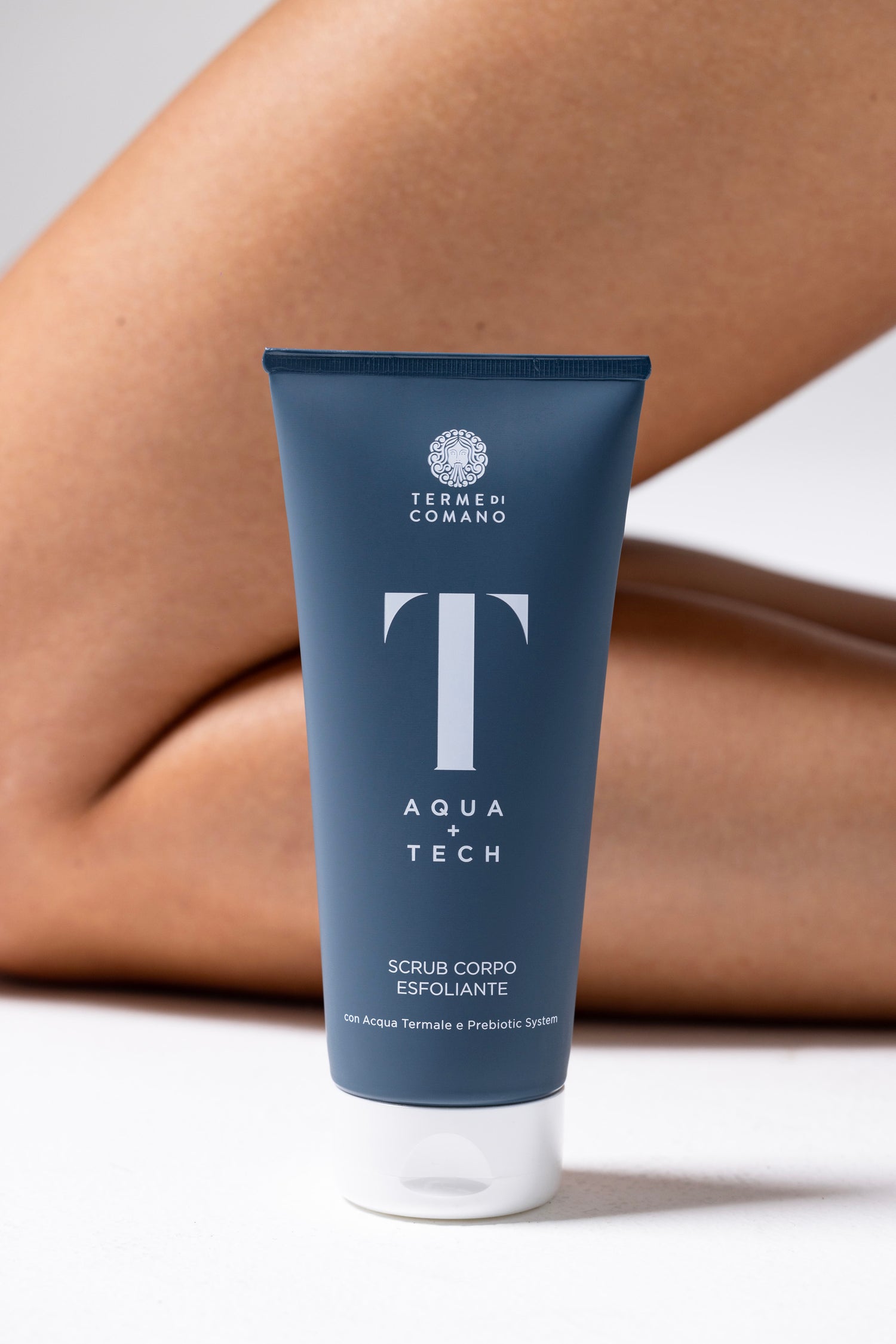
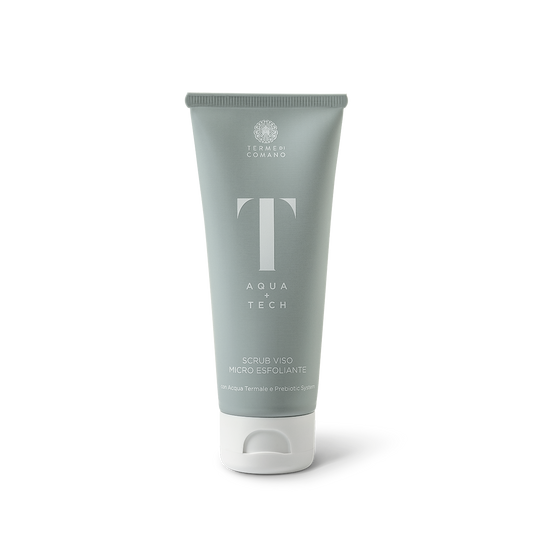
  • Scrub Corpo Esfoliante

    Exfoliating Body Scrub

    An enveloping and delicate exfoliating treatment, formulated to refine skin texture and awaken its natural radiance. Quartz crystals provide effective yet non-aggressive mechanical action, while Comano Thermal Water and vitamin C work in synergy to hydrate, tone, and revitalize.

    The scrub can be used on damp skin for gentle exfoliation, or on dry skin for a more intense effect, focusing on thickened areas such as elbows and heels.
    Ideal for all skin types, especially dry or hyperkeratotic skin.

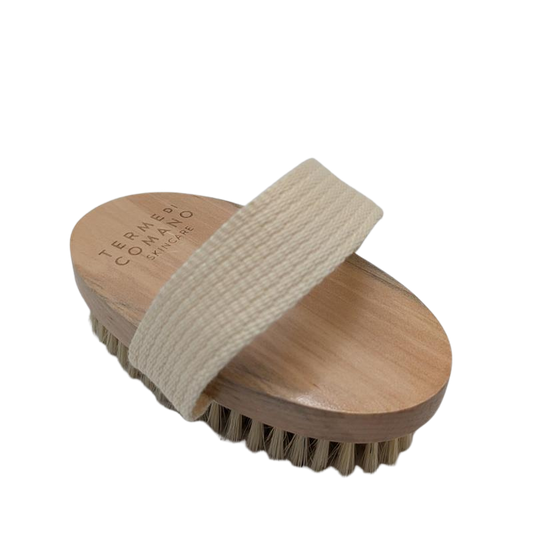
  • Dry Brushing Body Brush

    Perfect for dry exfoliation, the natural bristle brush stimulates microcirculation and lymphatic drainage, helping to eliminate toxins and excess fluids.

    Simply use it gently on dry skin, with light movements always directed upwards, to achieve a more toned appearance and immediately brighter skin.
    Excellent to alternate with scrub to enhance the revitalizing effect.

  • Crema Corpo Vellutata 3 In 1

    3-in-1 Velvety Body Cream

    With its fluid and fresh texture, it moisturizes, firms, and elasticizes thanks to Comano Thermal Water, the Prebiotic System, and a toning micro-algae extract.

    It is also indicated for weight loss or during pregnancy, to improve skin tone and firmness.

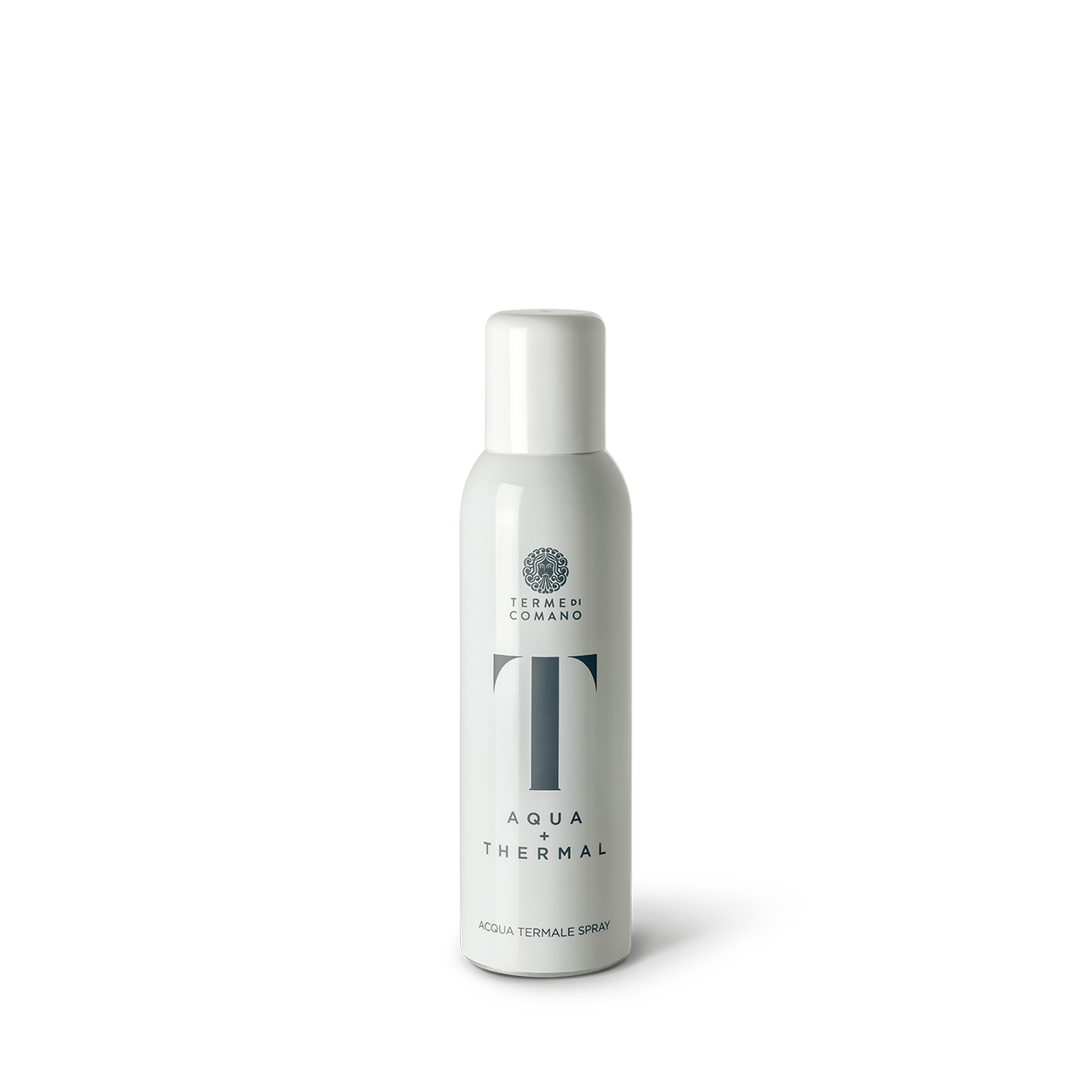
  • Aqua+Thermal Acqua Spray

    Thermal Water Spray

    A true everyday ally. Thanks to its mineral-rich composition, it moisturizes and soothes even the most sensitive skin.

    Perfect after exfoliation, sun exposure, hair removal, or simply for a burst of freshness throughout the day.

Integrating these treatments into your beauty routine means taking deep care of your skin, guiding it towards a more even, healthy, and radiant appearance, day after day.

Body exfoliation: our experts' advice
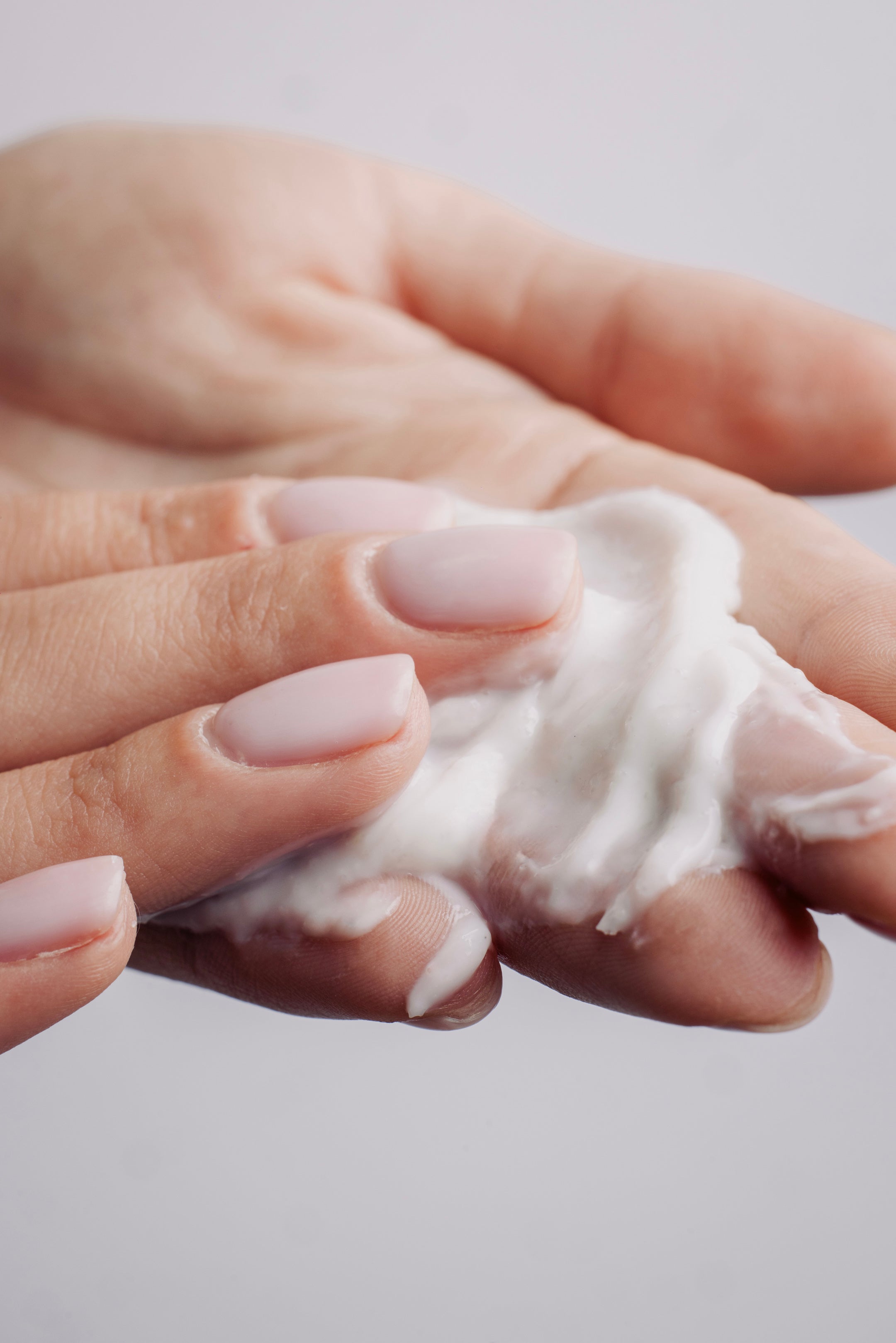
As we have seen, exfoliation is a deep skincare treatment that helps keep skin bright and soft over time. But to get all the benefits without making mistakes, it's important to know your skin well and adopt good habits. The experts at Terme di Comano answer the most frequent questions about body exfoliation, to help you choose the right products and follow the correct procedures.

1. Why exfoliate your skin?

Exfoliation helps remove dead skin cells that accumulate on the outermost layer of the skin, improving its texture and stimulating the natural cell renewal process. It promotes microcirculation, makes the skin more receptive to subsequent treatments, and, over time, can also help improve skin firmness and elasticity.

2. How often should you exfoliate?

The ideal frequency varies depending on skin type and the product used. In general, it is recommended to exfoliate your face and body 1-2 times a week. The important thing is to listen to your skin and not overdo it: an overly intense routine can cause redness and dryness.

3. Who is it recommended for?

Exfoliation is beneficial at all ages, but it becomes particularly important after 30-40 years old, when cell turnover slows down. It is also recommended before tanning (natural or artificial), to improve the result and evenness of the complexion, and after summer, to renew skin stressed by the sun. Furthermore, it helps prevent ingrown hairs, making hair removal more effective.

4. When is the best time to exfoliate?

Exfoliation should preferably be done in the evening, to allow the skin time to regenerate overnight. After the treatment, it is advisable to avoid direct sun exposure and always apply a good moisturizer.

5. Are there any risks?

If performed correctly, exfoliation does not entail any particular risks. However, it is important not to exfoliate skin that is injured, red, or inflamed, and not to use overly aggressive products on dry or sensitive skin. It is also best to avoid tools that are too stiff or rough, as they could cause micro-abrasions. If in doubt, it is always a good idea to consult a dermatologist.

6. Does exfoliating remove a tan?

Absolutely not. Exfoliation only affects the superficial layers of the skin and, in fact, can help maintain an even complexion for longer by removing devitalized cells that make the tan dull and uneven.

7. Is it better to exfoliate before or after hair removal?

Before is better. Exfoliating your skin before waxing or shaving helps to clear pores, prevent ingrown hairs, and make your skin smoother and ready for treatment.

8. How to choose the right exfoliant?

The choice of exfoliant depends on your skin type and the desired result. Scrubs are ideal for more intense exfoliation, especially on rough areas like elbows and heels. Gommage is more delicate and suitable for sensitive or dry skin. Chemical peels (with AHAs or BHAs) work deeply to improve skin texture and radiance, without rubbing. If you have particularly reactive skin or specific conditions, it is always advisable to consult a dermatologist.

9. What to do after exfoliation?

After exfoliation, the skin is more receptive, but also more sensitive: it's the perfect time to nourish it with specific products. A rich cream, a nourishing oil, or a rebalancing treatment will help restore the hydrolipidic film and keep the skin soft and protected.

Conclusion

Incorporating exfoliation into your beauty routine is not just an aesthetic gesture, but a true act of care for your skin. Whether it's a gentle treatment like gommage, a more intense scrub, or dry brushing, the important thing is to choose the method best suited to your needs and apply it consistently and mindfully.

Exfoliated skin is brighter, more toned, and ready to receive the benefits of cosmetic treatments, but above all, it is skin that breathes, renews itself, and reflects your inner well-being.

1 of 4