
La cellulite: cos’è, cause, rimedi e nuovi studi

Cellulite: What it Is, Causes, Remedies, and New Research

| Scritto da Ilaria Zanfranceschi

Cellulite is a common skin problem that affects millions of people worldwide. While not considered a serious medical condition, it can significantly impact the self-esteem and well-being of those who suffer from it.

In this article, we will explore what cellulite is exactly, what causes it, and what treatment options are available.


Caricamento...

What is cellulite?

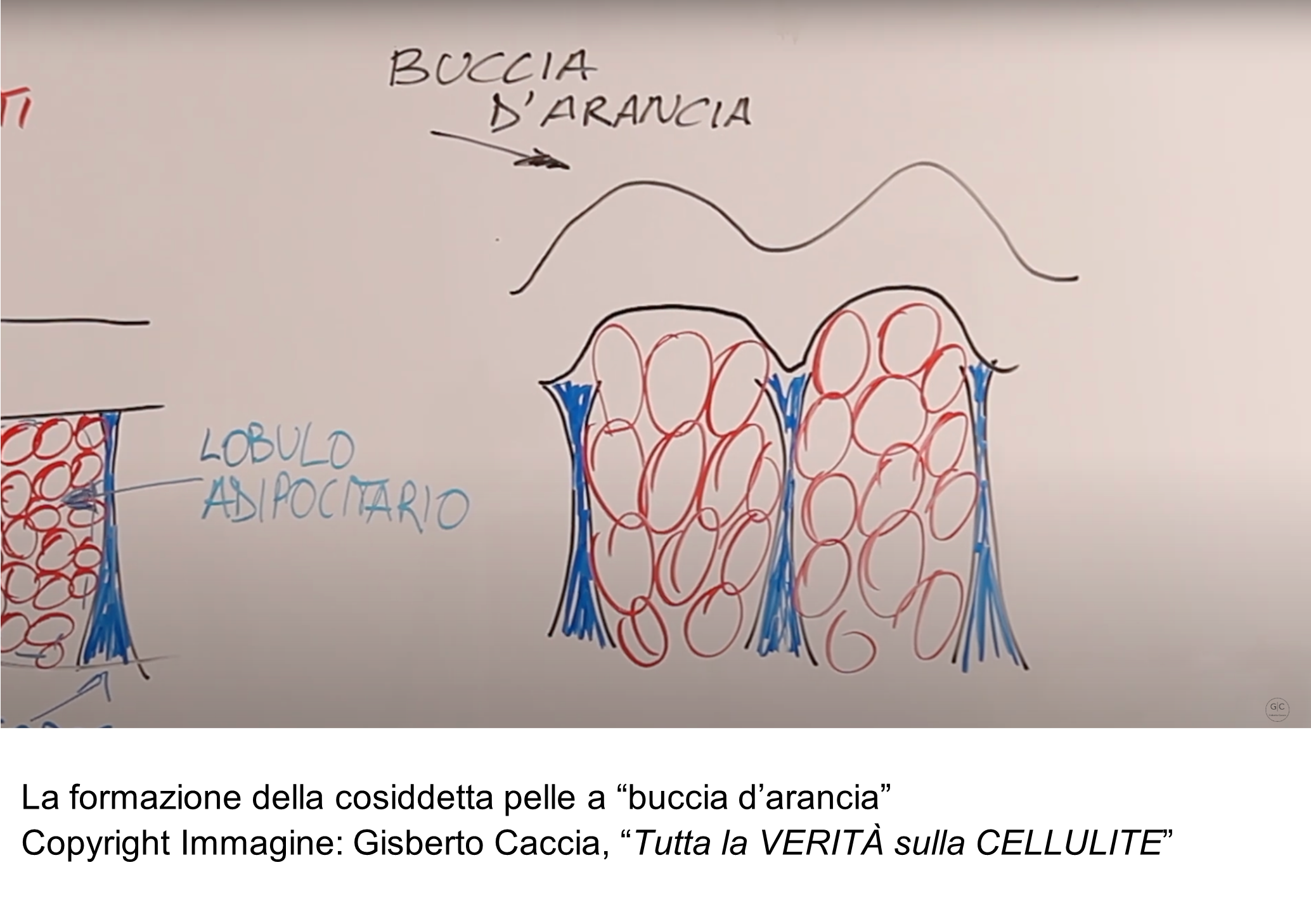
Cellulite, also known as Edematous-Fibrosclerotic Panniculopathy (EFP), is not merely a cosmetic concern, but a true dermatological condition. It primarily affects the subcutaneous adipose tissue, causing irregularities and nodularity that give the skin an "orange peel" appearance. This degenerative but non-serious condition affects approximately 98% of women, while men are less susceptible.

Although the causes of cellulite are still under investigation, it can be stated that the factors facilitating its appearance are of various natures, and some of these are related to lifestyle and can therefore represent secondary predisposing factors to the condition.

Among the factors that can worsen the clinical picture of cellulite, we can list:

  • Excessive smoking and alcohol consumption;
  • Unhealthy diet;
  • Sedentary lifestyle;
  • Stress;
  • Hormonal factors;
  • Factors related to lymphatic circulation;
  • Wearing overly tight clothing and/or excessively high heels.

The four stages of cellulite

To date, cellulite is classified according to its severity, with different stages recognized. Here is an overview of the four stages:

  • Grade 1 Cellulite, also known as edematous cellulite: characterized by slight skin irregularities, with skin that appears slightly wrinkled or with small dimples visible only under compression.
  • Grade 2 Cellulite, also called fibrous cellulite: here, subcutaneous nodules become more evident, accompanied by an "orange peel" appearance when the affected area is compressed.
  • Grade 3 Cellulite, or soft sclerotic cellulite: the connective tissue may be stiffer than in the fibrous stage, but the skin may appear less irregular than in advanced sclerotic cellulite.
  • Grade 4 Cellulite, the most advanced stage: with larger, more protruding, and deeper nodules. The "orange peel" appearance is visible even at rest, accompanied by pain and discomfort.

However, according to recent studies, this classification has been disproven: cellulite cannot be staged, as an inspection of cellulitic tissue reveals the presence of all stages of cellulite, suggesting a more complex and multifactorial condition than originally hypothesized. But let's find out why in detail.

Causes of Cellulite

Sex, heredity, ethnicity, weight, age, and hormonal balance all appear to be factors involved in this problem, a problem that has long been considered a normal physiological condition for women. Recent research, however, has yielded important evidence that could completely overturn this perception.

Causes and Risk Factors

Although the exact causes of cellulite, as mentioned above, are not yet entirely clear, several factors seem to contribute to its appearance and progression. These include:

  • Arrangement of Adipose Cells: It has long been hypothesized that the different arrangement of fibrous septa between men and women could explain why cellulite primarily affects the female sex. However, recent research has disproved this theory, highlighting that the arrangement of the septa is not as different as previously thought.
  • Oxidative Stress and Inflammation: One of the key elements in the etiology of cellulite appears to be oxidative stress, which can be caused by various factors such as smoking, alcohol, an unbalanced diet rich in fats and sugars, a hectic life, and insufficient rest. This stress can lead to increased inflammation in the subcutaneous adipose tissue, contributing to the deterioration of connective tissue and the formation of cellulite.
  • Hormonal Dysfunctions: Hormones, particularly estrogen, appear to play a significant role in the development of cellulite. Stem cells sensitive to female hormones, called "Muse," could be involved in triggering the processes that lead to cellulite formation.
  • Genetic and Hereditary Component: Although genetic predisposition is not the sole cause of cellulite, it can play a significant role in its appearance. However, it is important to emphasize that cellulite is not an inevitable condition for all people with a genetic predisposition.
  • Lifestyle and Habits: Certain behaviors, such as a diet rich in sugars and salt, a low level of hydration, tight clothing, and the absence of regular physical activity, can contribute to the appearance and worsening of cellulite.

The latest research on cellulite

An Italian research group has recently brought to light important evidence on cellulite, disproving some previously accepted theories. Using advanced technologies and more precise diagnostic tools, scientists have identified the presence of fat cells in the dermis, a surprising discovery that could revolutionize our understanding of cellulite.

For years, it was believed there was a substantial difference in the architecture of subcutaneous adipose tissue between men and women.

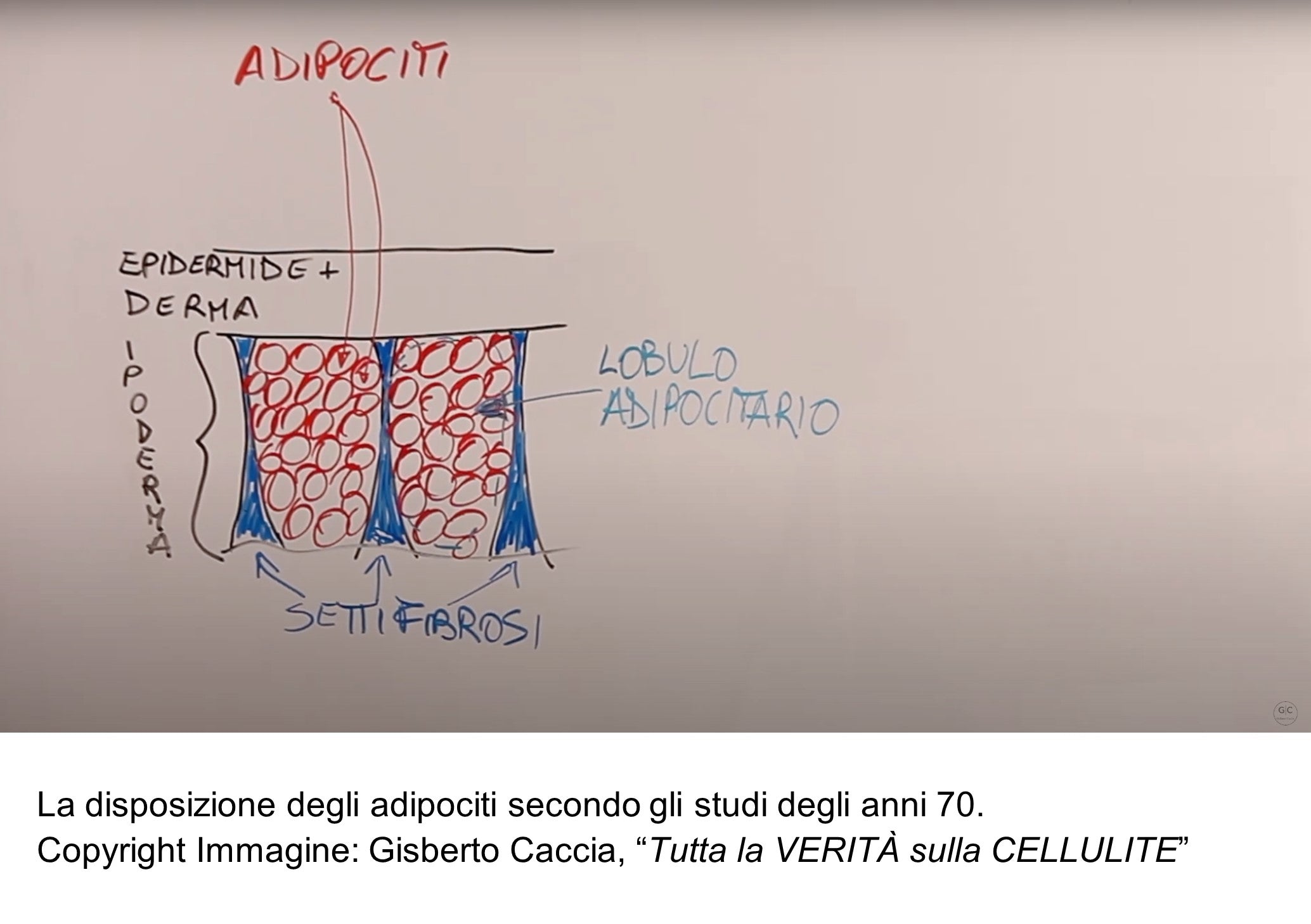
In the 1970s, thanks to nuclear magnetic resonance, it was observed that adipocytes, or fat cells, arrange themselves in clusters in the form of lobules surrounded by fibrous septa.

According to a 1970s study, in female subjects, these septa were oriented perpendicularly to the skin surface.

This arrangement means that when adipocytes increase in volume and number, the lobules enlarge, and since the fibrous septa prevent the lateral expansion of the lobules, skin relief is accentuated, manifesting the characteristic "orange peel" appearance.

But why doesn't this happen in men? According to Nürnberger and Müller's study "So-Called Cellulite: An Invented Disease", in male subjects, the septa are arranged differently, forming an X-shaped structure. This arrangement means that if the lobules enlarge, the "orange peel" appearance does not manifest on the skin surface.

Recent studies conducted in Italy, using advanced technologies seven times more powerful than those available in the 1970s, have disproved the traditional theory regarding the arrangement of fibrous septa in cellulite. These studies revealed that, although there are differences in subcutaneous tissue between men and women, the theory of parallel septa in women and X-shaped septa in men is incorrect.

Furthermore, it has been observed that women suffering from cellulite have fat cells in the dermis, instead of only in the hypodermis as commonly believed. These fat cells in the dermis are often located near glands and may be involved in a functional unit that contributes to the development of cellulite.

Therefore, the study has indicated a possible explanation for the onset of cellulite, identifying factors such as sweat glands, adipocytes, fibroblasts, stem cells called "Muse" cells, and exosomes as key players. Not to mention oxidative stress, caused by the excessive production of free radicals.

These compounds are byproducts of normal biochemical reactions that constantly occur in the human body. However, when produced in excess, free radicals can damage cell membranes, proteins, and even DNA, creating an imbalance in the body's natural defense system. This can cause cellular damage, compromising the production of vital substances such as collagen and elastin, which are essential for healthy and youthful skin.

Although there is still much to study, this represents a step forward in understanding the mechanisms that lead to cellulite and its effects on skin tissue.

In summary, although cellulite is a complex and multifactorial condition, recent research is shedding new light on its etiology and potential treatments. It is essential to continue studying this pathology to provide affected individuals with increasingly effective and targeted solutions.

What's the difference between cellulite and water retention?
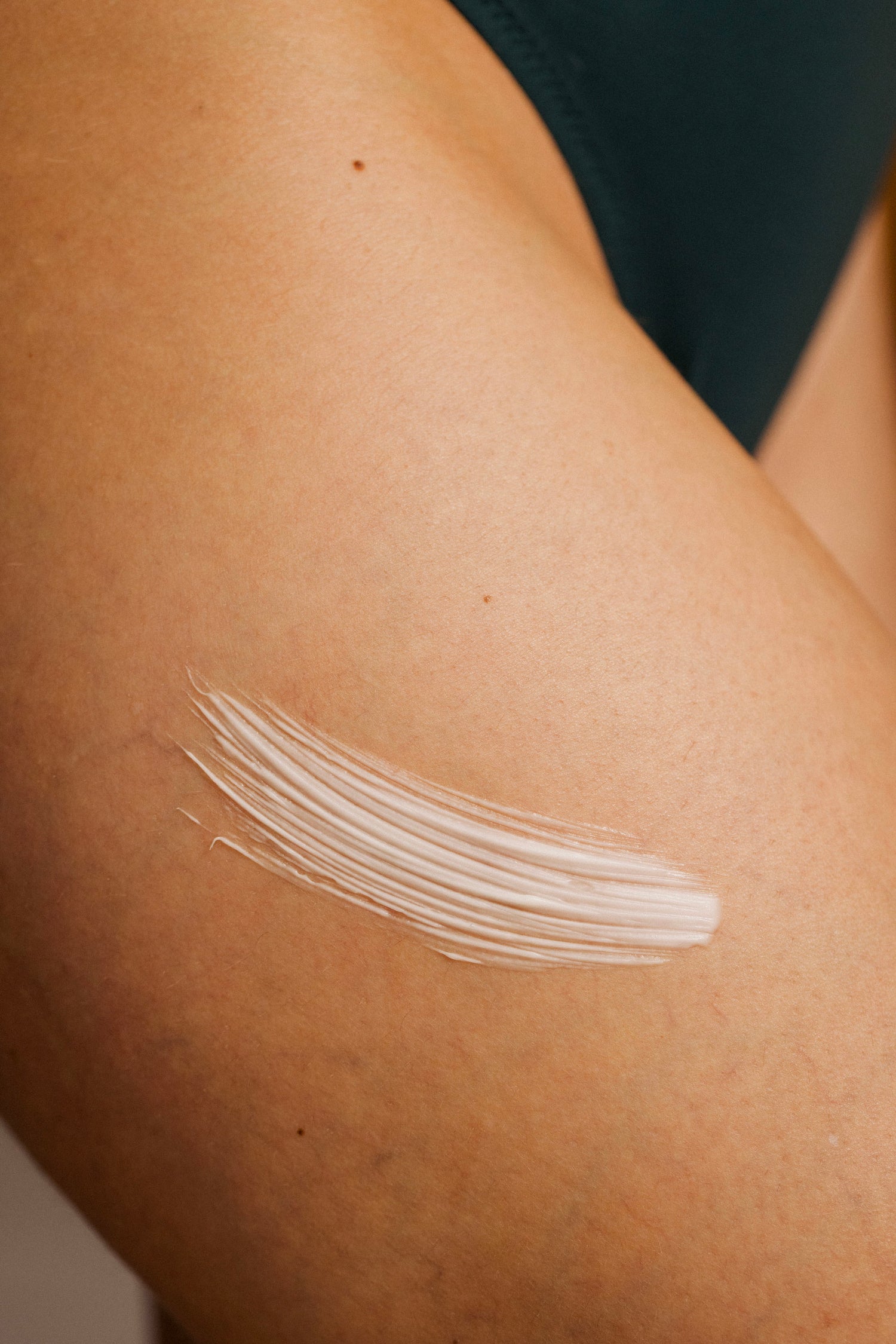
The difference between cellulite and water retention lies in their nature and physical manifestation.
Cellulite is a skin condition characterized by irregularities, dimples, and nodules on the skin, caused by an altered distribution of subcutaneous fat and tense connective tissues, which often give it an "orange peel" appearance.
In contrast, water retention occurs due to excessive accumulation of fluid in the tissues, without the skin irregularities typical of cellulite.

In the case of cellulite, the condition may be accompanied by poor oxygenation and nourishment of the tissues, contributing to the stagnation of fluids and toxins in the tissues. This can lead to a cycle of fluid accumulation and further worsen the situation.

On the other hand, water retention can also occur without the presence of cellulite, where a circulatory disorder leads to fluid stagnation, but without the characteristic skin irregularities of cellulite.

In some cases, cellulite and water retention can be distinct phenomena, while in others they can be closely related, with both disorders influencing each other. Therefore, it is important to carefully evaluate each situation individually to determine whether it is cellulite, water retention, or both disorders simultaneously.

Cellulite remedies and treatments

As cellulite is a multifactorial condition, its treatment requires a multidisciplinary approach involving various professional figures. A doctor's presence is important to rule out any underlying pathologies and for specific medical treatments, while an experienced aesthetician can provide appropriate cosmetic treatments. A nutritionist can help establish a balanced diet, and a personal trainer can create suitable exercise programs.

  • Physical activity

    To tackle cellulite, physical activity is also very important.

    This should not involve only one type of training, but rather be suitably divided between:

    • Aerobic exercise
    • Anaerobic strength training.

    Strengthening and toning muscles through training will promote increases in lean mass and improve venous return.
    In addition to weight training, a session of low or moderate intensity aerobic activity is also recommended to increase calorie expenditure and thus promote weight loss. It is important, however, not to overlook one aspect: too much physical activity can increase oxidative stress, so it is advisable to train without overdoing it.

  • Diet and lifestyle

    A balanced diet, rich in fiber, water, and essential nutrients, combined with an active lifestyle, can significantly contribute to cellulite control. Avoiding high-fat foods, junk food, and excessive alcohol consumption is essential. Maintaining good hydration and paying attention to daily water intake is also important. Adopting a healthy lifestyle, with sufficient rest and stress reduction, can improve overall results in cellulite management

  • "Anti-cellulite" Treatments

    There is no single best therapy, but rather the most suitable treatment for each individual patient. Whatever treatment is used, it is essential that it delivers oxygen to the treated tissue. Among non-surgical and non-invasive treatments, massage is the leading practice, combined with thermal mud and saline bandages, but carboxytherapy, shock waves, and massages performed with IASTM (Instrument Assisted Soft Tissue Mobilization) also prove to be very effective.

What is the difference between cellulite and water retention?

It's important to understand that completely eliminating cellulite, in the sense of restoring the tissue to a pre-cellulite state, is not currently possible.

However, there are cosmetic treatments that can help manage cellulite by combating subcutaneous fat deposits and promoting the drainage of excess fluids, as well as improving the skin's appearance, making it smoother, and nourishing its surface. These products work on several fronts:

  • Anti-edema Action: Some ingredients such as horse chestnut, ivy, and centella asiatica extracts have an anti-edema action, reducing swelling and fluid accumulation. These ingredients can also have anti-inflammatory properties.
  • Lipolytic Action: Caffeine and Fucus Vesiculosus extract are known for their lipolytic action, meaning their ability to promote fat breakdown.
  • Proteolytic Activity: Some ingredients like bromelain and papain have a proteolytic action, contributing to protein breakdown and the elimination of fat cells.
  • Antioxidant Action: Ingredients with antioxidant activity help counteract oxidative stress, reducing cellular damage caused by free radicals.
  • Moisturizing Action: Hydration is fundamental for maintaining skin health and preventing inflammation. Moisturizing ingredients found in anti-cellulite cosmetics help keep the skin elastic and well-hydrated.

Role of Cosmetics

It's important to understand that completely eliminating cellulite, in the sense of restoring the tissue to a pre-cellulitic state, is currently not possible.

However, there are cosmetic treatments that can help manage cellulite by combating subcutaneous fat deposits, promoting the drainage of excess fluids, and improving the appearance of the skin, making it smoother and nourishing it on the surface. These products work on several fronts:

  • Anti-Edema Action: Some ingredients like horse chestnut, ivy, and centella asiatica extracts have an anti-edema action, reducing swelling and fluid accumulation. These ingredients can also have anti-inflammatory properties.
  • Lipolytic Action: Caffeine and Fucus Vesiculosus extract are known for their lipolytic action, meaning their ability to promote fat breakdown.
  • Proteolytic Activity: Some ingredients like bromelain and papain have a proteolytic action, contributing to protein breakdown and the elimination of fat cells.
  • Antioxidant Action: Ingredients with antioxidant activity help combat oxidative stress, reducing cellular damage caused by free radicals.
  • Hydrating Action: Hydration is essential for maintaining skin health and preventing inflammation. Hydrating ingredients in anti-cellulite cosmetics help keep the skin elastic and well-hydrated.

Conclusion

It is important to emphasize that cosmetics for cellulite can help manage the problem, but cannot eliminate it completely. They primarily work by improving the appearance of the skin, reducing swelling, and promoting blood circulation. Combined with a healthy diet, regular exercise, and other stress management practices, cosmetics can contribute to a comprehensive approach in managing cellulite.

1 of 2