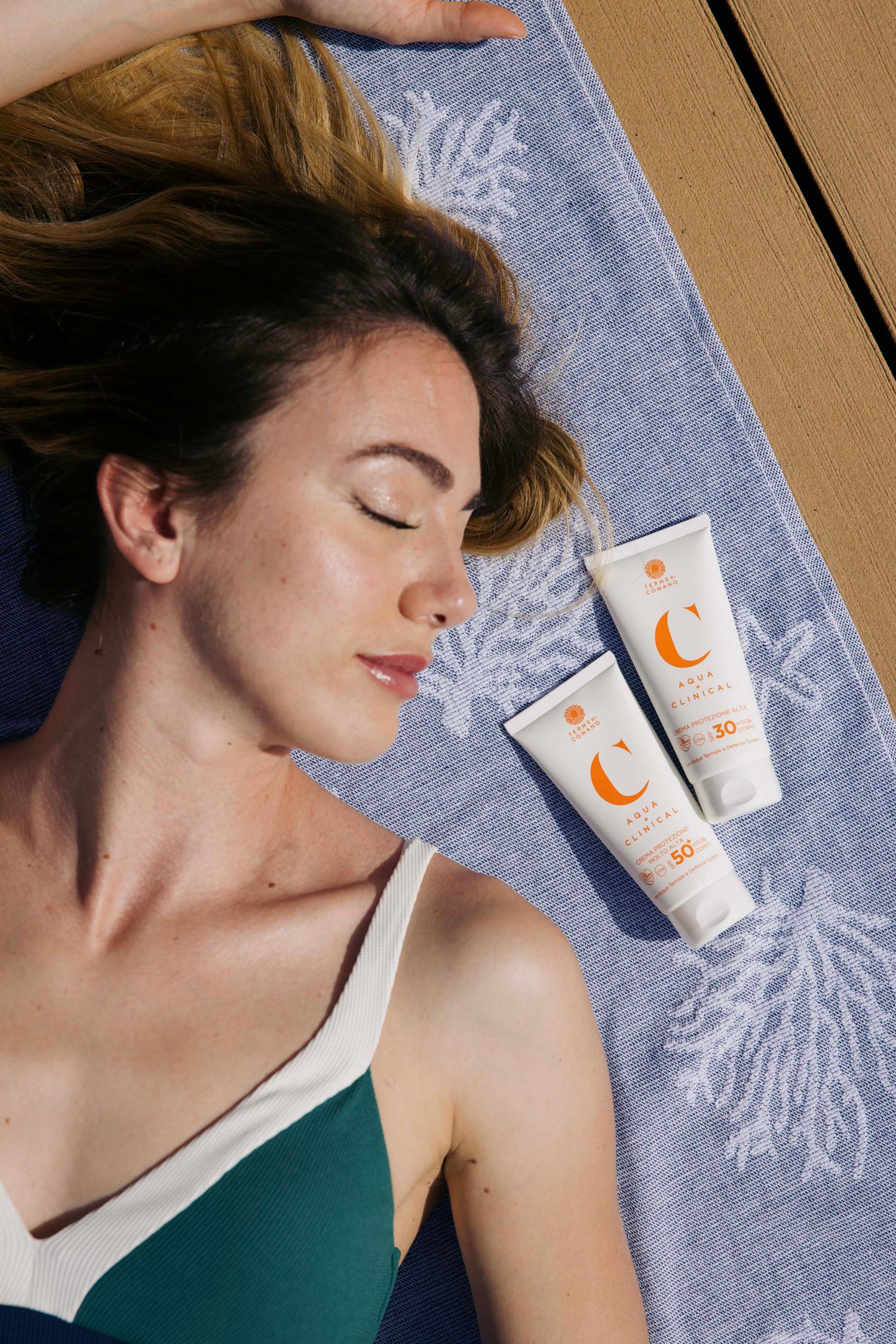
Come proteggere la pelle dal sole: i consigli dei nostri esperti

How to protect your skin from the sun: our experts' advice

| Scritto da Ilaria Zanfranceschi


The summer season is approaching, bringing with it the desire to spend long days outdoors, enjoy the sun, and get that much-desired tan. However, as we prepare to spend hours at the beach, by the pool, or in the mountains, it is essential to take the right precautions to protect our skin from the sun.

In this article, you will find tips to prevent annoying sunburn and rashes.


Caricamento...

What is a tan?

Tanning is a defense mechanism that the body employs to react to an external assault: solar radiation, specifically ultraviolet rays (UVA and UVB). During this process, melanocytes in the skin produce melanin, the pigment responsible for skin color. Melanin acts as a shield, protecting the skin from damage caused by UV rays and helping to prevent sunburn and other skin lesions.


Understanding this process is essential for adopting the right sun protection measures and ensuring healthy and protected skin during sun exposure.

Why is it important to protect your skin from the sun?
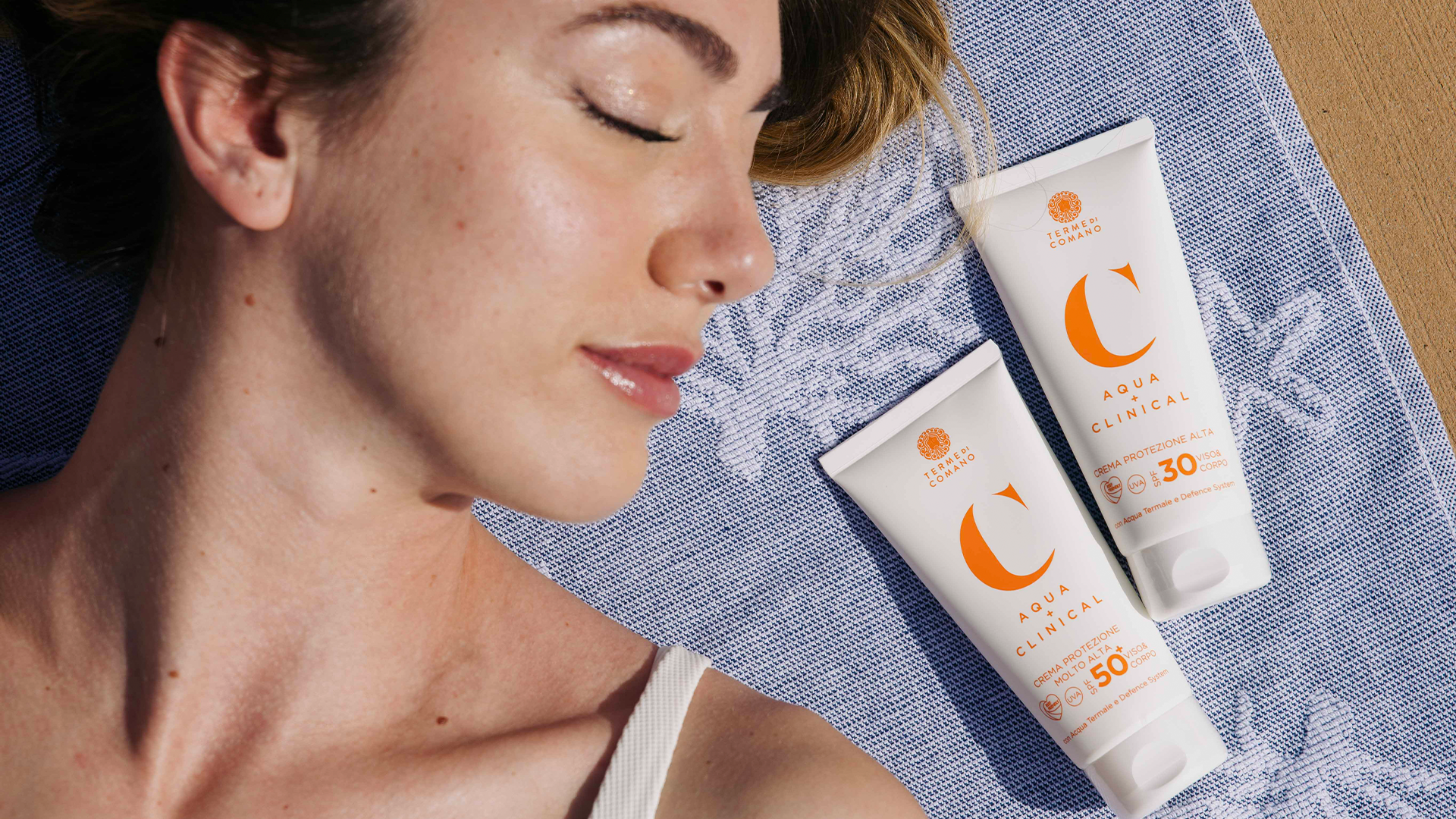
Sun exposure provides significant benefits not only for our health but also for our mental well-being.

Sunlight stimulates the production of vitamin D, which is essential for bone health, as well as serotonin and melatonin, hormones linked to good mood, well-being, and mental serenity.
However, excessive exposure to sunlight also carries a series of risks for skin health, ranging from annoying sunburns and rashes to premature aging, melanomas, and even skin cancers. In addition, there is the formation of free radicals that cause premature skin aging, dehydration of skin cells, and the formation of white or brown spots.

UVB rays, particularly intense during summer and at peak hours, can cause immediate damage such as sunburn, burns, and hives. While these effects are often treatable with appropriate remedies, they represent only the tip of the iceberg in terms of skin damage.

On the other hand, UVA rays, present all year round and capable of penetrating even through glass and clouds, are responsible for more subtle but equally significant long-term damage. This damage includes the appearance of brown spots, keratosis (skin thickening), and premature skin aging.

UVA and UVB rays: the differences

One of the most frequent questions regarding sunscreens is the distinction between protection against UVA and UVB rays and their importance. But what is the difference between these two types of rays and why is it essential to protect oneself from both?

UVB rays are largely filtered by the atmospheric ozone layer, with about 10% actually reaching the Earth's surface. UVA rays, on the other hand, constitute about 90% of the UV rays that reach the Earth.

Although UVB rays are responsible for immediate sunburn, UVA rays are more "insidious," as they penetrate deeper into the skin, stimulating the production of free radicals that damage collagen and cause skin aging. This results in wrinkles and damaged skin, as well as DNA mutations that can lead to the formation of skin cancers.
Until recently, many sunscreens primarily focused on protecting against UVB rays.

However, in recent years, it has become common to find products that offer comprehensive protection against both types of rays. It is important to pay attention to labels and ensure that the sunscreen explicitly indicates protection against UVA rays as well. This additional step ensures complete and effective protection against damage caused by sun exposure.

But how can you protect your skin from the sun without giving up its benefits?

How to protect your skin from the sun

By following a few simple precautions, you can safely enjoy the sun and reduce the risks associated with sun exposure.

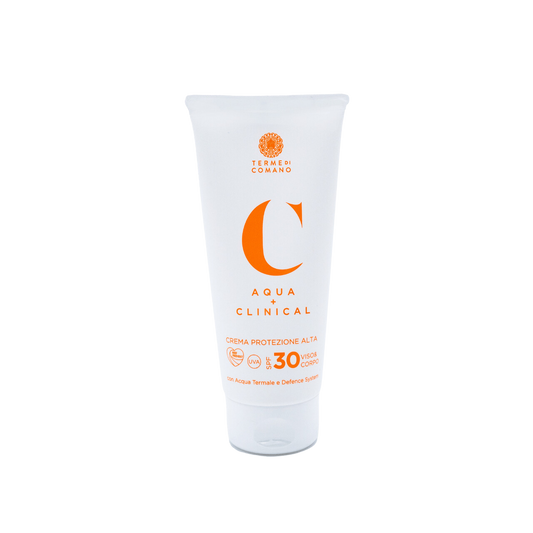
  1. Let's start with sunscreen, a fundamental ally in defending our skin from harmful sun rays. Sunscreen creates a protective layer on the skin that reduces the absorption of harmful UV rays from the sun. It's important to remember to apply it every day, as UVA rays, unlike UVB rays, are present all year round and penetrate through clouds, glass, and umbrellas. Furthermore, regular use of sun protection helps prevent sunburn, erythema, and long-term skin damage, also reducing the risk of developing skin diseases such as melanoma and other skin cancers.
  2. Apply the right amount of sunscreen. For optimal protection, apply the cream at least 15-30 minutes before sun exposure, using a generous amount: a handful for the body and a heaping tablespoon for the face.
  3. Avoid exposure during the hottest hours: generally, the best time for a healthy tan and to protect your skin from the sun is in the morning until 10/11 AM and in the afternoon after 4/5 PM. The middle hours of the day, when the sun is strongest, are when UV rays are most intense and harmful. Avoiding direct exposure during these hours will significantly reduce the risk of sunburn and skin damage.
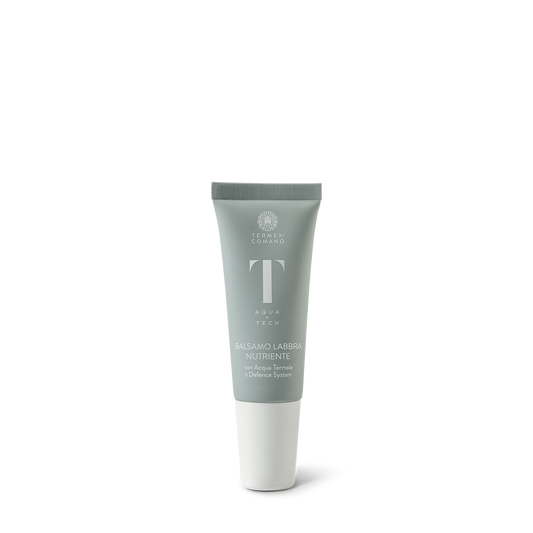
  4. Sun protection for sensitive skin: if you have sensitive skin, look for a sunscreen specifically formulated for your skin's needs. Choose a hypoallergenic and fragrance-free sunscreen to reduce the risk of skin irritation. Also, remember that some areas of the body require more attention, such as the eyelids, nose, and lips, which are more sensitive to the sun than the arms and legs.
  5. Sunbathe in small doses: an important tip for getting a safe tan is to sunbathe in small doses, especially at first. It is recommended to limit sun exposure to no more than 20 minutes, allowing the skin to gradually adapt. Intense and prolonged sunbathing, especially if you have fair skin or a predisposition to sunburn, can be harmful to the skin, increasing the risk of burns and skin damage.
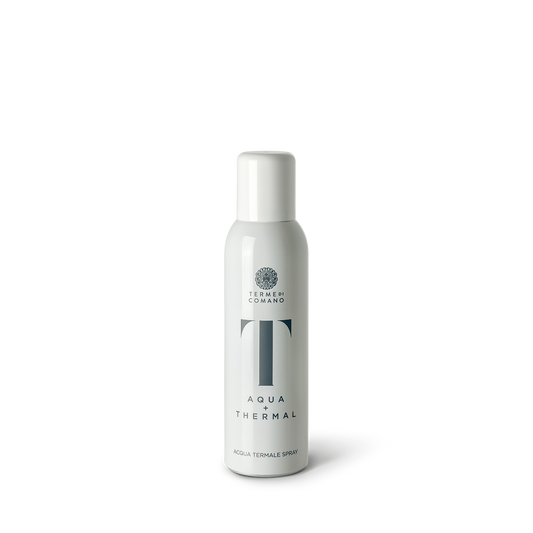
  6. Give your skin a well-deserved rest: after sun exposure, it's essential to give it a recovery period, especially if it shows signs of redness. Apply soothing relief creams such as D.A. Intense Relief Moisturizing Cream to reduce redness and soothe the skin. Also, include a spray of Thermal Water Spray to relieve the sensation of heat and burning typical of sunburn. Alternating moments of sun exposure with periods of rest can therefore accelerate this regeneration process.
  7. Wear protective clothing: wear light but protective clothing, such as long-sleeved shirts, long pants, and wide-brimmed hats, to cover skin exposed to the sun. Sunglasses with UV protection are also essential to protect the eyes from damage caused by sunlight. There are also many technical fabrics on the market that have their own protection factor, which is also indicated on labels, and filter ultraviolet rays.
  8. Seek shade: it is often thought that seeking shelter under an umbrella is sufficient to protect the skin from harmful sun rays. However, it is important to understand that shade alone does not provide complete protection. Even in the shade, UV rays can penetrate and cause skin damage, especially when near reflective surfaces such as snow, sand, or water.
  9. Avoid using perfumes and make-up: before sun exposure, avoid using perfumes and make-up that may contain photosensitizing ingredients and make the skin more susceptible to sunburn.
  10. Choose a balanced diet: a diet rich in antioxidants, vitamins, and minerals can help protect the skin from damage caused by free radicals produced by UV rays. Make sure to include fruits, vegetables, whole grains, and foods rich in vitamin C and E in your daily diet.

Protecting your skin from the sun even in winter

Even during the winter months, the sun continues to shine and its rays, although with a lower intensity of UVB, still maintain a significant presence of UVA rays. It is therefore essential to maintain precautions to protect the skin from sun damage, avoiding excessive exposure and adequately protecting oneself when outdoors.

Sun and children: how to protect children's skin

Regarding children, it's important to remember that their skin, being more delicate and sensitive than that of adults, is particularly vulnerable to sun damage. Therefore, adequately protecting them from the sun becomes essential to preserve their health and prevent skin problems.

Here are some tips to protect children from the sun:

  1. Use high-SPF sunscreens: Choose sunscreens with a high SPF (50 or higher) specifically formulated for children's skin. Make sure to apply them generously to all exposed areas of the skin and reapply frequently, especially after swimming or sweating.
  2. Avoid exposing children under 1 year old to direct sunlight: Their skin barrier is not fully formed and they have few natural defenses against UV rays. Protect them by keeping them in the shade during outdoor activities and using light but covering clothing, such as wide-brimmed hats and long-sleeved shirts.

Sun creams: an indispensable ally for your skin under the sun

As mentioned above, sunscreen is an essential defense for the skin when it comes to protecting it from damage caused by the sun's rays. But that's not all!

A good sunscreen also acts as a shield against photoaging and free radicals.
Photoaging, caused by prolonged and unprotected exposure to UV rays, is an accelerated skin aging process triggered precisely by sun damage. Free radicals, on the other hand, are highly reactive molecules that penetrate deep into the skin, where they trigger a cascade of damage.

They stimulate the production of other free radicals that attack the collagen framework, the structure that keeps the skin firm and elastic, thus contributing to skin laxity and premature aging.

Before choosing the right sunscreen, however, it's important to know which phototype our skin belongs to.

What are phototypes and how many are there

When we talk about phototype, we refer to a classification that was made starting in the seventies and eighties of the last century by the American dermatologist Thomas Fitzpatrick.

This classification, in addition to evaluating the skin's response to sun exposure based on its color and the presence of melanin, also helps to determine which SPF (sun protection factor) is most suitable for each skin type.

The six phototypes and their recommended protection are as follows:

  • PHOTOTYPE 1

    Very fair skin, red or light blonde hair, light eyes. For this skin type, SPF 50+ is recommended for any sun exposure

  • PHOTOTYPE 2

    fair skin, light blonde hair, light eyes. SPF 50 is recommended for initial exposure, SPF 30 once tanning has begun.

  • PHOTOTYPE 3

    medium-fair skin, dark blonde or brown hair, dark green eyes. For this skin type, SPF 50 is recommended for initial sun exposure and SPF 30 once a tan has developed

  • PHOTOTYPE 4

    slightly dark or olive skin, brown hair, brown eyes. For this skin type, SPF 30 is recommended for any exposure

  • PHOTOTYPE 5

    dark skin, black hair, brown eyes. SPF 30 is recommended for initial exposure, SPF 20 once tanning has started.

  • PHOTOTYPE 6

    Very dark or black skin, black hair, dark brown eyes. For this skin type, SPF 20 is recommended for any exposure

 What does SPF mean?

SPF, or Sun Protection Factor, is a crucial parameter to consider when choosing a sunscreen. This value indicates the degree of protection a sun product offers against harmful UV rays. Contrary to popular belief, SPF does not represent a multiplier of sun exposure time, meaning how long a person can stay in the sun without getting burned. Rather, it reflects the amount of UVB rays a sunscreen is able to block.

  • SPF 15 blocks 93% of UVB rays
  • SPF 30 blocks 96.7% of UVB rays
  • SPF 50 blocks 98% of UVB rays
  • SPF 100 (usually indicated as SPF50+ following European regulations) blocks 99% of UVB rays.

It's important to note that no sunscreen offers complete protection and that the frequency and amount of application are crucial for maintaining effective protection.
Once we have determined our phototype and the SPF to use, we can choose the right sunscreen for our skin.

Sunburn? Thermal Water can help too!

If you haven't applied enough sunscreen and your skin is reddening, try cooling it down with a spray of Thermal Water.

This treatment is particularly suitable for soothing redness and relieving the sensations of heat and burning typical of sunburn. Repeat the application as often as you feel necessary.

Skin and Sun: Our Experts' Advice

How much sunscreen should I apply? How long does it last? Is it true that sunscreen prevents you from tanning? Below, we will explore the best practices for keeping our skin safe during sun exposure.

How much sunscreen should I apply?

It is generally recommended to apply a palmful for the body and a generous tablespoon for the face. However, according to studies and surveys conducted over the years, and as reported by the American Academy of Dermatology, the majority of people apply less than half the recommended amount.

When and how often should sunscreen be applied?

Applying sunscreen at least 15/30 minutes before sun exposure is crucial for it to be fully absorbed by the skin. Additionally, it is advisable to reapply multiple times throughout the day (typically every two hours according to the Skin Cancer Foundation). The procedure should be repeated after every swim or sports activity.

Is it true that you tan less with sunscreen?

Yes, this is partly true, in the sense that you tan a little more slowly with sunscreen. This is because tanning is a defense mechanism that our skin uses to protect itself from the harmful action of ultraviolet rays by producing melanin. However, it is important to note that despite the protection provided by sunscreen, you can still get a tan, up to the limit allowed by your genetics.

Does sunscreen expire?

Yes, sunscreens also have an expiration date, indicated on the packaging with a symbol common to all cosmetics. Usually, it is an open jar icon followed by a number and the letter "M," which represents the months of validity after opening: typically, the shelf life of sun protection products ranges from 9 to 12 months. It is essential to respect this date, as expired sunscreen may no longer offer adequate protection, exposing the skin to the risks of sun rays.

Do I apply moisturizer or sunscreen first?

For a proper skincare routine, it is advisable to start with facial hydration by first applying a moisturizer and then sunscreen. This step ensures that the skin is adequately hydrated and protected before sun exposure.

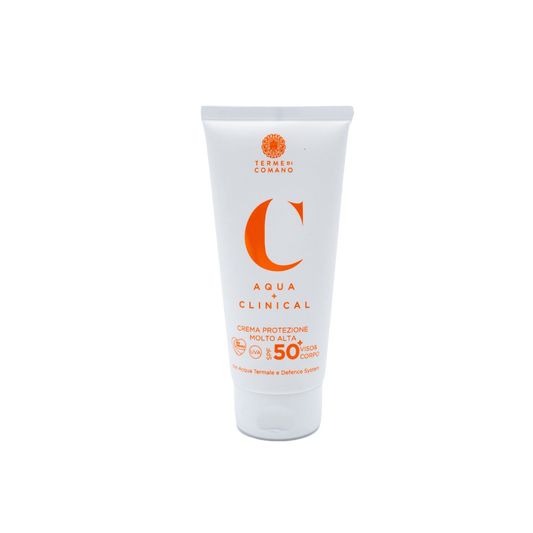
What is the difference between SPF 50 and 50+?

In general, an SPF 50+ protection factor offers longer-lasting protection than an SPF 50 factor. In both Europe and the United States, it is rare to find products labeled with SPF 60, 70, or 100 because, from a communication standpoint, they suggest a much higher level of safety than they actually offer. The reality is that any SPF above 50 protects only between 98.5% and 99% from sun rays, while an SPF of 50 offers 98% protection. The difference is therefore minimal: sun protection factors above 50 do not significantly increase UV protection.

Conclusion

In conclusion, proper sun protection is essential to preserve the health of our skin during sun exposure. By following expert advice and paying attention to crucial details such as the amount of cream to use and its expiration date, we can enjoy the sun safely and responsibly.


Remember: the sun is good for you, but protecting your skin is even better

1 of 4